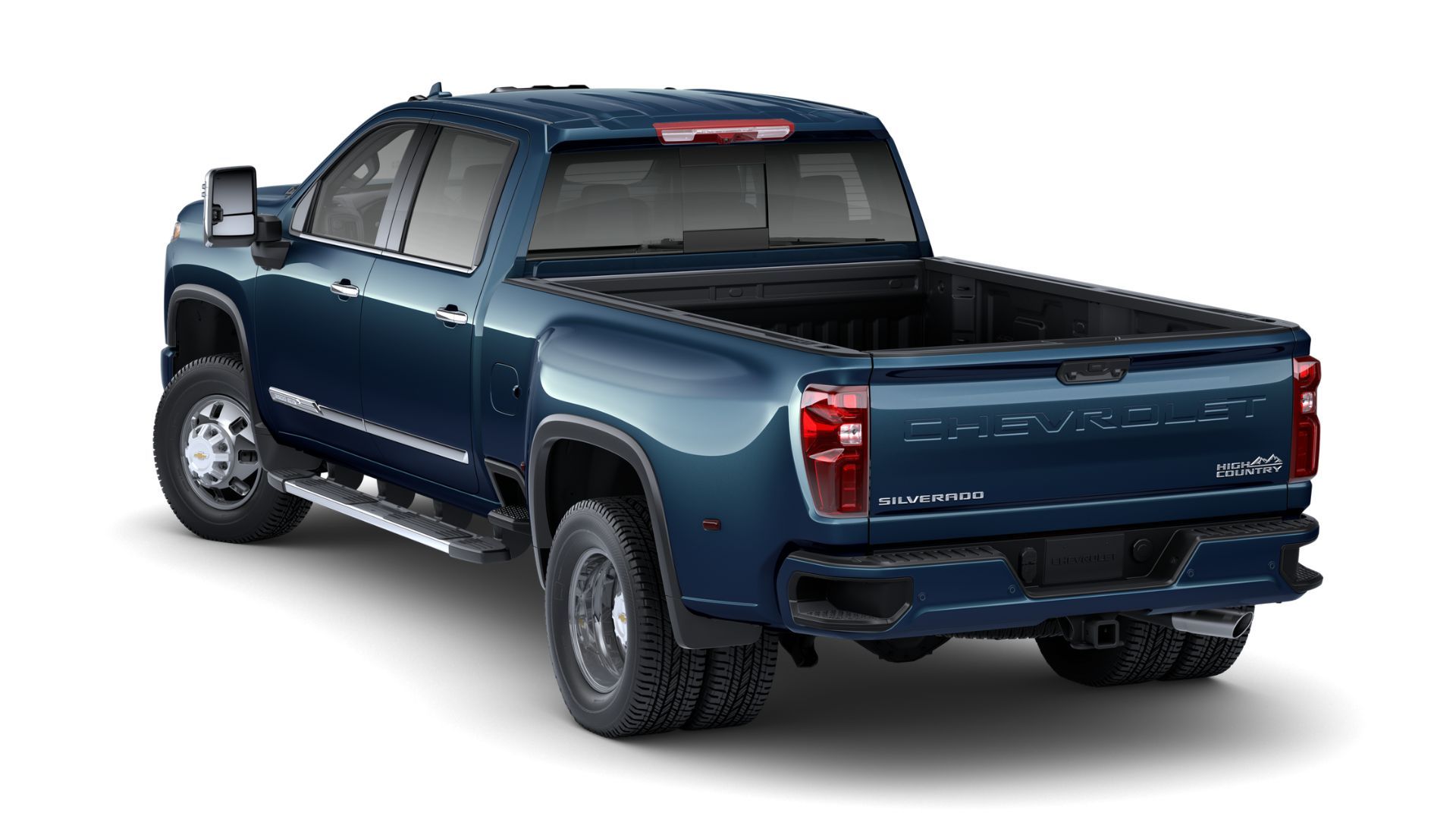
How to Choose the Best Trucks to Boost Your Transport Business Efficiency
Top Trucks for Your Transport Business
When you’re managing a fleet, every mile counts. Selecting the right trucks isn’t just about payload; it’s about fuel economy, maintenance costs, driver comfort, and technology that keeps routes smooth. Below is a practical look at the categories that consistently deliver the best return on investment for midsize to large‑scale transport firms.
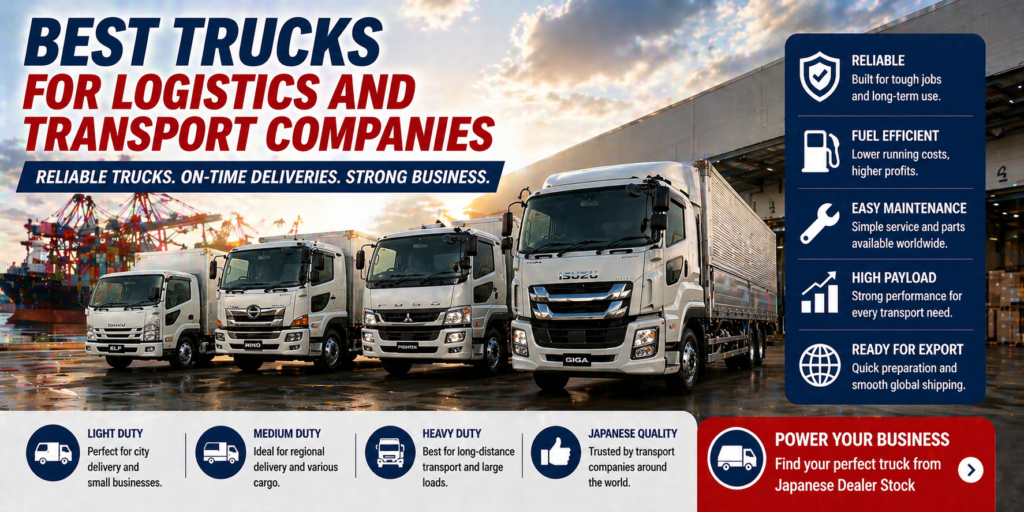
1. Light‑Duty Boxes: The Unsung Workhorses
For last‑mile deliveries or regional hauls under 2,000 kg, a light‑duty box truck often outperforms a heavier rig. Models such as the Ford Transit and Mercedes‑Sprinter have stepped up their diesel and now hybrid powertrains, offering up to 30 % better fuel mileage than older versions.
- Payload capacity: 1,200–1,800 kg
- Typical fuel consumption: 7–9 L/100 km
- Key tech: integrated telematics, driver‑assist alerts
Because these trucks are smaller, they navigate urban congestion more easily, reducing idle time and keeping schedules tight.
2. Medium‑Duty Rigs: Balancing Power and Flexibility
If your routes regularly hit the 500‑kilometer mark and you need to haul between 5 and 12 tonnes, medium‑duty trucks become the sweet spot. The Isuzu NPR and MAN TGL series are popular choices, thanks to their durable engines and low‑maintenance chassis.
- Payload capacity: 5–12 tonnes
- Fuel efficiency: 12–15 L/100 km (diesel)
- Notable features: air‑suspension, modular body options
These trucks often include advanced cruise control and lane‑keep assist, which help drivers stay consistent on long stretches of highway, trimming fuel use by a few percent.
3. Heavy‑Duty Pullers: When Size Really Matters
For bulk freight, construction materials, or inter‑continental trips, heavy‑duty trucks dominate. The Volvo FH and Scania R‑Series combine massive torque with fuel‑saving aerodynamics.
- Payload capacity: 15–30 tonnes
- Fuel consumption: 28–35 L/100 km (diesel)
- Efficiency tools: predictive engine management, automated gear shifting
While upfront costs are higher, the long‑term savings come from fewer breakdowns and the ability to consolidate loads, meaning fewer trips overall.
4. Alternative‑Fuel Options: Going Green Without Losing Grit
Electric and hydrogen trucks are no longer experimental. Models like the Tesla Semi and Hyundai XCIENT are entering fleets that prioritize low emissions and city‑center compliance.
- Range (electric): 300–500 km per charge
- Range (hydrogen): 800–1,000 km per tank
- Operating cost advantage: up to 40 % lower per‑kilometre energy cost
Adopting an alternative‑fuel truck makes sense when you have predictable, short‑haul routes or access to charging infrastructure at depots. The lower total‑ownership cost can offset the higher purchase price within three to five years.
5. Technology That Turns Trucks Into Data Hubs
Modern fleets rely on more than just the engine. Telematics platforms such as Geotab or Trimble plug into a vehicle’s CAN bus, delivering real‑time diagnostics, driver‑behaviour scoring, and route optimisation. Pairing a capable truck with this software can shave 5–10 % off fuel use simply by avoiding unnecessary idling and harsh braking.
Look for models that offer a built‑in OBD‑II port or a dedicated telematics module. Even older trucks can be retrofitted, but native integration usually means fewer compatibility headaches.
6. How to Evaluate Total Cost of Ownership (TCO)
Don’t let the sticker price dictate your decision. A robust TCO analysis considers:
- Purchase or lease cost
- Fuel consumption under typical load conditions
- Insurance premiums (often lower for vehicles with advanced safety suites)
- Scheduled maintenance intervals and parts availability
- Resale value after three to five years
Running a spreadsheet with realistic mileage estimates—say, 150,000 km per year for a medium‑duty truck—will quickly reveal which model truly maximizes efficiency for your business.
7. Driver Comfort: The Silent Efficiency Booster
Happy drivers are more likely to drive smoothly, respect speed limits, and keep the cabin clean—behaviours that translate directly into fuel savings. Look for ergonomic seats, climate control, and low‑noise cabins. Some manufacturers even offer fatigue‑monitoring sensors that alert drivers when a break is overdue.
8. Real‑World Example: A Mid‑Size Fleet’s Switch
A logistics company in northern Italy recently replaced ten aging 3.5‑tonne Isuzu trucks with newer MAN TGL units equipped with telematics. Within six months, fuel consumption dropped from 13.2 L/100 km to 11.8 L/100 km, and unscheduled downtime fell by 22 % thanks to predictive maintenance alerts. The initial investment paid back in less than two years, proving that a strategic upgrade can be a decisive competitive edge.
Frequently Asked Questions
Which truck size is ideal for mixed urban and highway routes?
Medium‑duty rigs, especially those in the 5–12 tonne range, strike a balance. They’re agile enough for city streets yet powerful enough for highway cruising, making them the most versatile choice for mixed‑route operations.
Is it worth adding electric trucks to a long‑haul fleet?
Only if the majority of trips stay within the electric range or if you have reliable fast‑charging stations along the corridors. For pure long‑haul, diesel or hydrogen options remain more practical today.
How much can telematics really save on fuel?
Industry studies suggest 5–10 % reductions when drivers receive actionable feedback on idling, speed, and braking. The exact figure depends on driver adoption and route complexity.
What financing options help smooth the transition to newer trucks?
Many manufacturers and third‑party lenders offer lease‑to‑own programs that spread payments over three to five years, often bundling maintenance and telematics subscriptions for a predictable monthly cost.