How to Choose the Coolest, Dryest Material for Sports T‑Shirts
Finding the best material for sports T‑shirts that stay cool and dry can feel like a quest through a fabric showroom. You’ll hear terms like “moisture‑wicking,” “breathable,” and “quick‑dry,” but what do they really mean for your performance? In this guide we’ll break down the science behind those buzzwords, compare the top fabric choices, and show you how to pick the perfect shirt for any workout.
What makes a fabric “cool and dry”?
A fabric earns the “cool‑and‑dry” badge when it can move sweat away from the skin and let air circulate freely. Moisture‑wicking fibers pull liquid into the material’s interior, spreading it across a larger surface where it evaporates faster. Breathability, measured by how much air can pass through the weave, helps that evaporation happen without a humid microclimate next to your body. The combination reduces that sticky feeling and lets you stay comfortable even when the temperature climbs.
Top contenders for the best material
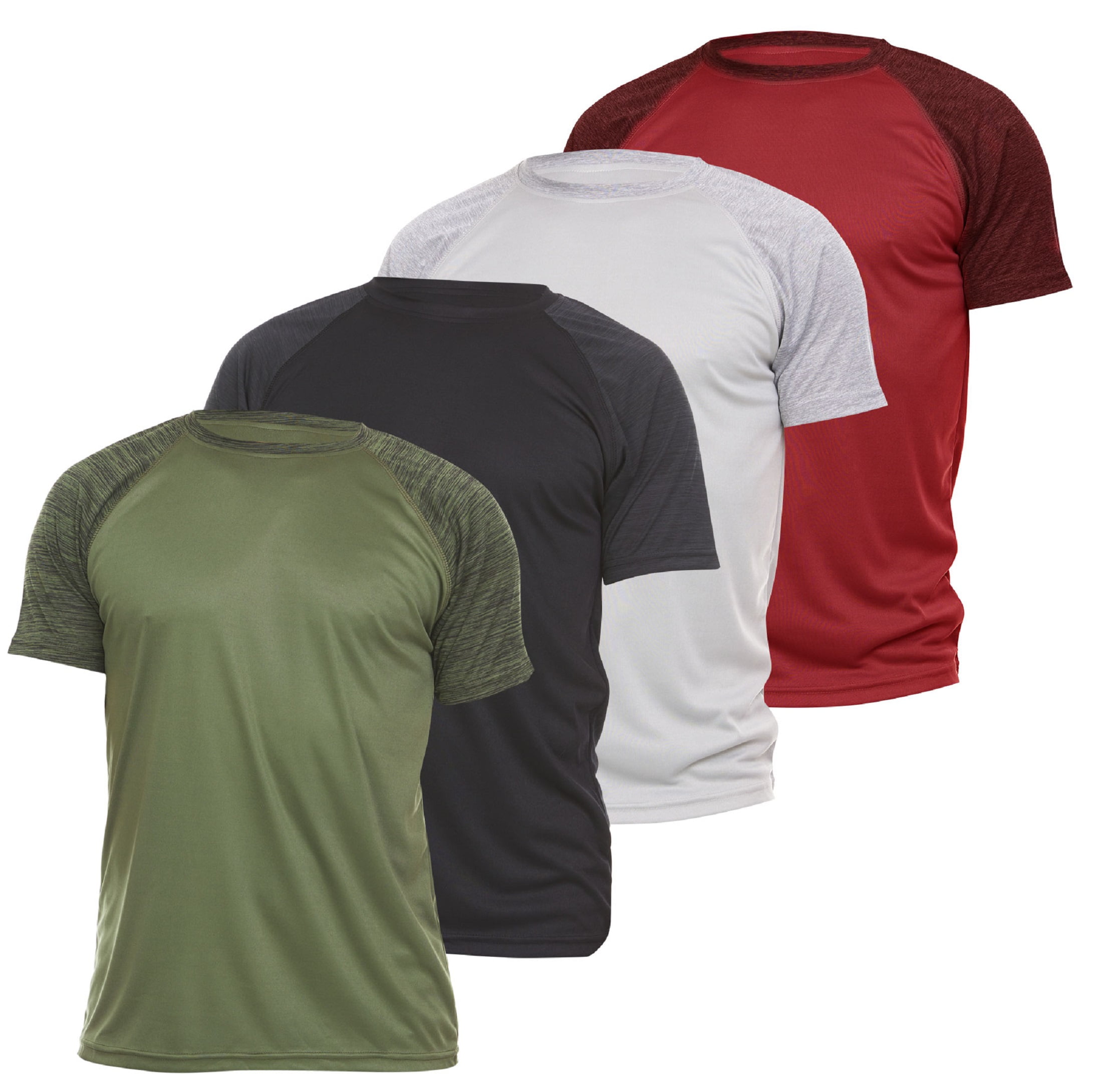
- Polyester blends – Engineered for speed, polyester’s synthetic fibers excel at wicking and dry‑fast performance. When blended with elastane, the result is a stretchy, form‑fitting shirt that moves with you while still shedding sweat.
- Merino wool – Though it sounds like a winter option, fine‑gauge merino regulates temperature naturally. It absorbs moisture without feeling wet and releases it back into the air, making it a favorite for long‑distance runners who face variable climates.
- Bamboo rayon – This plant‑based fiber feels soft like cotton but offers superior breathability. Its natural antimicrobial properties keep odor at bay, a handy perk for back‑to‑back gym sessions.
- Nylon – Lightweight and strong, nylon fabrics often feature a tight weave that resists wind while still allowing sweat to escape. They’re a solid choice for cycling where aerodynamic fit matters.
- Performance cotton blends – Pure cotton traps moisture, but when mixed with polyester or Tencel the blend gains wicking ability while retaining cotton’s familiar hand feel. It’s a good middle ground for casual training days.
How to match material to your sport
Different activities stress fabrics in distinct ways. Runners need a shirt that stays close to the body and dries in seconds, so a polyester‑elastane mix is often ideal. Cyclists, on the other hand, benefit from a sleek nylon panel that cuts wind resistance yet still vents heat. For yoga or low‑intensity studio work, a bamboo‑cotton blend offers a soft, breathable feel without the cling of high‑stretch synthetics. When you’re unsure, consider the climate: in humid heat, prioritize quick‑dry synthetics; in cooler mornings, a merino option can keep you warm without overheating.
Fit and construction matter as much as fiber
A well‑designed cut can amplify a fabric’s cooling powers. Flat‑lock seams reduce friction and prevent chafing, while raglan sleeves increase range of motion. Mesh panels or laser‑cut perforations add targeted ventilation to high‑heat zones like the underarms and back. Even the direction of the knit—whether the yarn runs vertically or diagonally—can influence how sweat spreads across the shirt.
Care tips that keep the fabric performing
All those high‑tech fibers lose their edge if you treat them like regular cotton. Wash sports T‑shirts inside‑out in cold water and skip fabric softeners; the latter can coat wicking fibers and block breathability. A gentle, enzyme‑based detergent helps break down sweat residues without harsh chemicals. When possible, air‑dry rather than tumble‑dry; excessive heat can shrink the elastic components and alter the fabric’s loft, reducing its ability to move moisture.
When “cool and dry” isn’t enough
Some athletes look for extra features beyond temperature control. UV‑protective finishes shield skin during outdoor runs, while anti‑odor treatments—often based on silver or copper ions—extend the wear time between washes. If you train in extreme cold, consider a layered approach: a base‑layer of merino for warmth, topped with a polyester shell that still wicks away sweat that builds up under the insulation.
Budget considerations
High‑performance fabrics can carry a premium price tag, but you don’t always need to splurge. Many reputable brands offer entry‑level polyester blends that perform admirably for casual runners. Keep an eye out for end‑of‑season sales; you can snag a merino tee at a fraction of its original cost. Remember that durability matters—investing a bit more in a shirt that lasts three seasons instead of one can be more economical in the long run.
Frequently Asked Questions
What is the single best fabric for staying cool in hot weather?
Generally, a high‑percentage polyester blend with elastane ranks highest for rapid moisture transport and quick drying, making it the go‑to choice for intense heat.
Can cotton ever be considered a “cool and dry” option?
Pure cotton absorbs sweat and stays damp, but when blended with synthetics like polyester or Tencel it gains wicking ability while preserving cotton’s softness, so a cotton blend can work for moderate climates.
Do I need to treat my sports T‑shirt with special detergents?
A mild, enzyme‑based detergent is ideal; it cleans sweat stains without coating the fibers. Avoid bleach and fabric softeners, which can impair breathability.
Is merino wool suitable for summer workouts?
Yes—fine‑gauge merino regulates temperature and can keep you dry even when it feels warm, though it may feel slightly heavier than pure synthetics.


![9 Best Men's Workout Shirts For [YEAR] (Stay Cool & Dry)](https://cdn.shortpixel.ai/spai/q_glossy+ret_img+to_auto/whattowearhub.com/wp-content/uploads/2026/01/top_men_s_workout_shirts_2026_mzmqr-768x432.jpg)