How to Choose the Perfect Japanese Sake Cup: A Complete Guide
Japanese sake cups—whether you call them sakazuki, ochoko, or masu—are more than just vessels for a drink. They carry centuries of ceremony, regional quirks, and subtle design choices that can change the way a sip feels. In this guide we’ll explore the main types, the etiquette that surrounds them, and practical tips for picking the right cup for your next tasting.
What Makes a Sake Cup Different?
At first glance a sake cup looks simple: a shallow bowl or a small glass. Yet each shape serves a purpose. The material influences temperature retention; the rim affects how the aroma hits your palate; and the size can dictate how many pours you make during a ceremony. Understanding these nuances helps you appreciate the drink beyond its flavor.
Traditional Materials
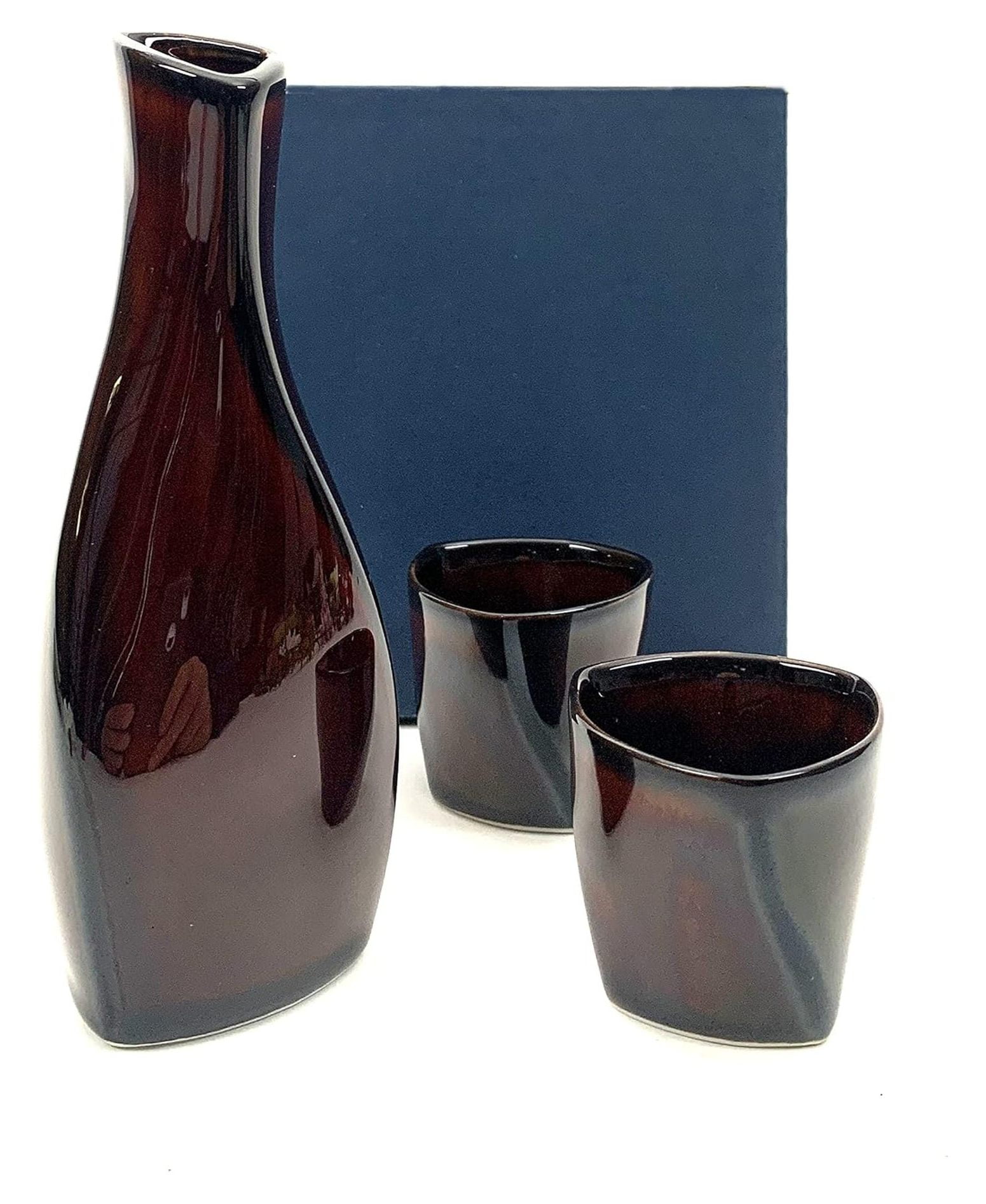
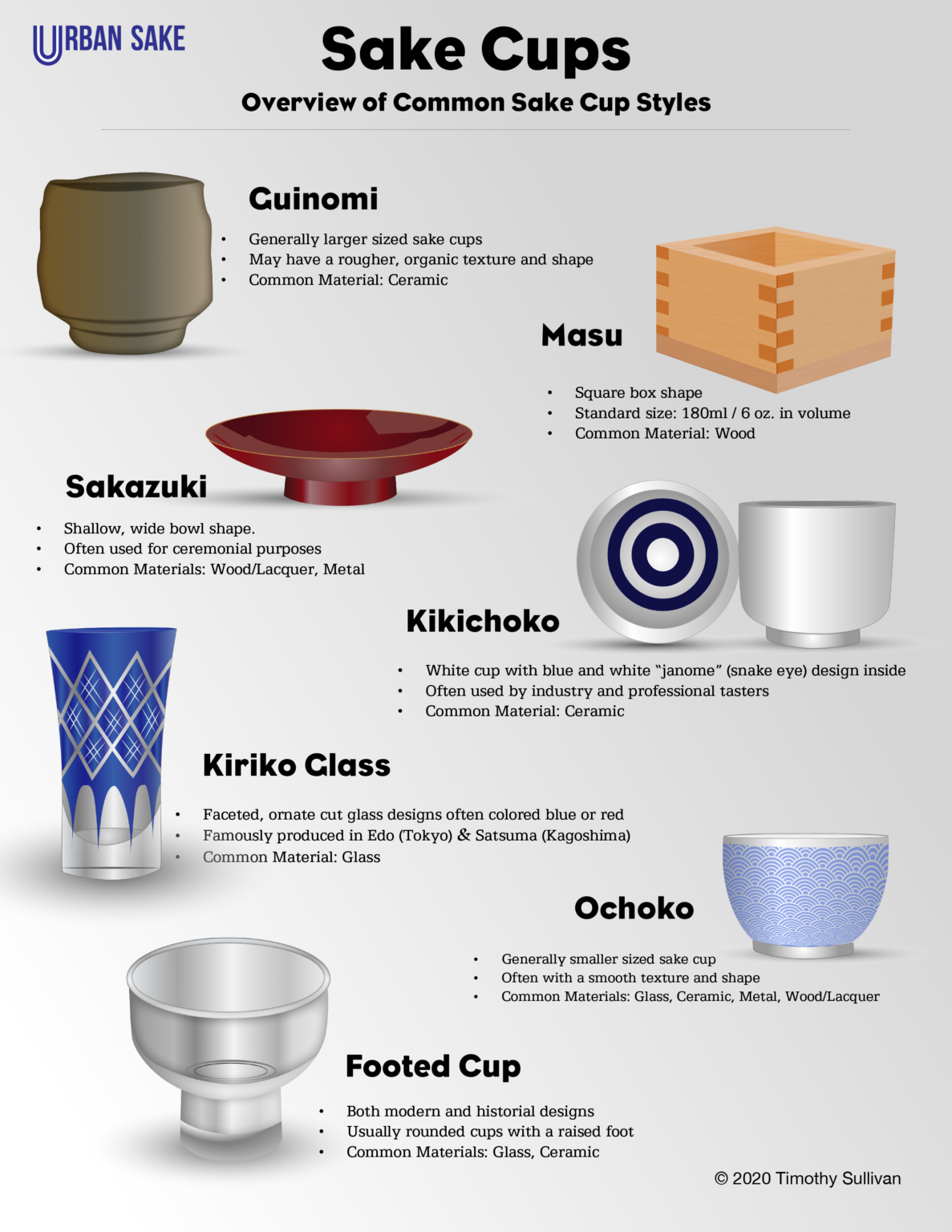
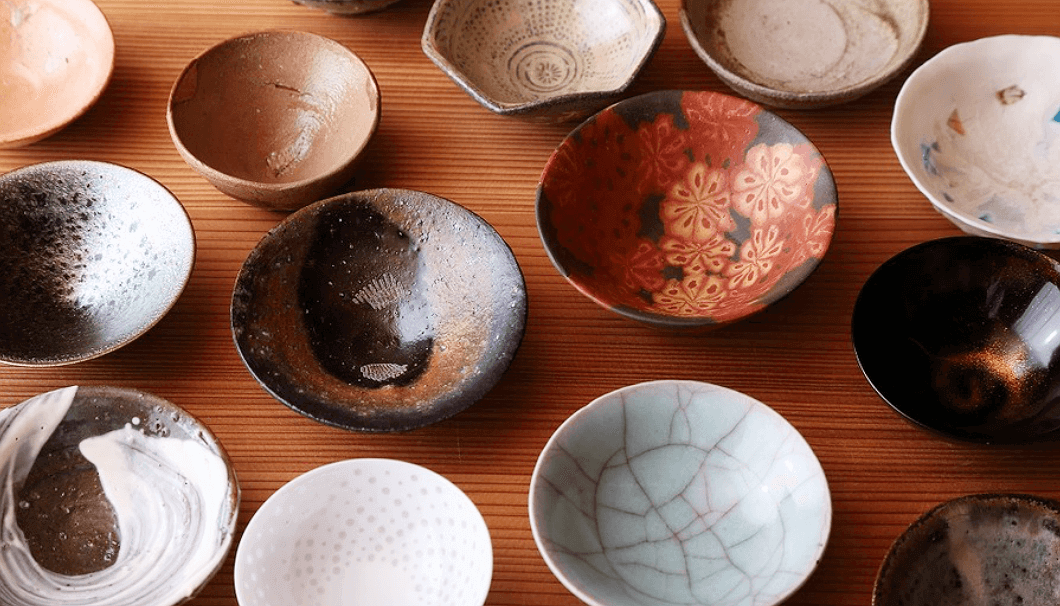
- Ceramic (porcelain or stoneware): Most common for everyday drinking. It absorbs heat slowly, keeping warm sake warm and cool sake cool.
- Wood (usually Japanese cedar or cypress): Used for the classic masu box. Wood adds a faint, earthy scent that pairs nicely with robust brews.
- Glass: Transparent and sleek, glass lets you watch the color shift as the sake warms. It’s ideal for premium, aromatic varieties.
- Metal (often silver or tin): Rare but striking. Metal conducts temperature quickly, making it a bold choice for chilled sake served at summer gatherings.
Key Shapes and Their Roles
Sakazuki are shallow, wide dishes traditionally used in Shinto rituals. Their low profile encourages slow sipping, letting the drink mingle with the air. Ochoko are the most familiar – small, rounded cups that fit comfortably in one hand. They’re perfect for casual meals and allow frequent refills without waste. Masu are square wooden boxes originally used for measuring rice; today they’re a playful nod to history and are often paired with sake poured from a small wooden spout.
Choosing the Right Cup for Different Occasions
Just as you might select a wine glass for a red versus a white, the right sake cup depends on the setting and the sake itself.
Formal Gatherings
When attending a wedding or a tea ceremony, opt for a sakazuki set. The elegant, low‑lying design signals respect and invites participants to pause between sips. Pair it with a polished lacquerware tray for a polished look.
Everyday Meals
Most households keep a stash of ochoko in the kitchen. Their modest size makes them easy to clean, and the gentle curve fits naturally with sushi, tempura, or a simple bowl of ramen. If you prefer a modern touch, a thin‑walled glass ochoko adds a sleek vibe without sacrificing function.
Outdoor or Festival Settings
For picnics or summer matsuri, a wooden masu adds a rustic feel. Because the box doubles as a measuring unit, you can pour a precise amount without needing a separate measuring cup. Just remember that wood absorbs some of the alcohol, so a lighter brew works best.
How to Care for Your Sake Cups
Proper maintenance ensures your cups stay beautiful and safe to use.
- Ceramic: Hand‑wash with mild detergent; avoid sudden temperature changes that could cause cracking.
- Wood: Lightly oil the interior with a food‑grade oil once a year to prevent drying. Never soak in water.
- Glass: Dishwasher‑safe, but place on the top rack to avoid scratches.
- Metal: Polish with a soft cloth after each use to keep the shine and prevent tarnish.
Buying Tips: What to Look For
If you’re shopping online or in a specialty store, keep these checkpoints in mind.
- Check the interior glaze – a smooth, non‑porous finish means no flavor transfer.
- Feel the weight – a heavier cup often indicates higher quality ceramic or thicker glass.
- Look for a seamless rim; rough edges can chip the lip of your mouth.
- Consider the size – a 30‑ml ochoko works for most table settings, while a 50‑ml sakazuki is better for ceremonial use.
Frequently Asked Questions
Do I need a different cup for hot and cold sake?
Not strictly, but ceramic or thick‑walled glass retains heat better for warm sake, while thin glass or wooden masu keep chilled drinks refreshing.
Can I use a sake cup for other drinks?
Sure. Many people serve tea, shochu, or even small craft cocktails in ochoko. Just be mindful of lingering aromas that might affect future sips.
Is there a “right” way to hold a sakazuki?
Traditionally you lift it with both hands, supporting the rim with one finger. This shows respect and ensures the cup stays steady as you sip.
How often should I replace wooden masu?
With regular care, a good wooden masu can last decades. Replace it when you notice cracks, persistent odors, or significant warping.