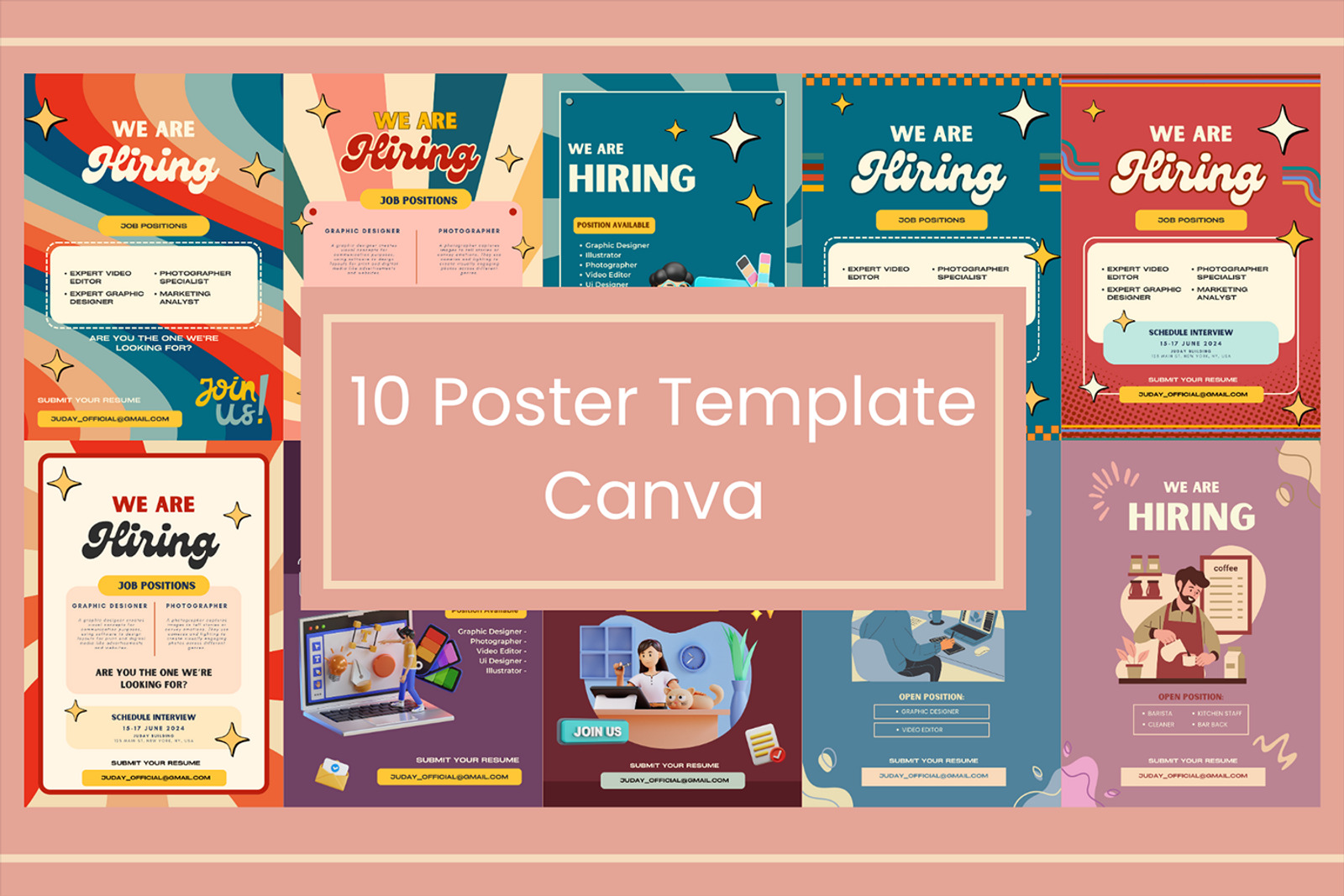
How to Create Creative Posters in Canva with Simple Design Tips
Whether you’re a student pitching a club, a small business announcing a sale, or a freelancer showcasing a portfolio, a well‑designed poster can capture attention and convey your message instantly. Canva’s intuitive interface makes professional‑looking posters accessible, even if you’re new to graphic design. In this guide, we’ll walk through the most effective, easy‑to‑implement techniques for creative poster design in Canva, turning ideas into eye‑catching visuals.
Creative Poster Design in Canva: Essential Tips
Start with a clear purpose. Ask yourself: What action do I want the viewer to take? A strong, focused objective streamlines every design decision. Once you know the goal, choose a template that aligns with that intent—Canva offers themed options for events, campaigns, and announcements.
1. Stick to a Cohesive Color Palette
- Select two or three complementary colors to maintain visual harmony.
- Use Canva’s “Color Palette” tool to generate variations from a single hue.
- Reserve a contrasting accent color for calls to action or headlines.
2. Prioritize Typography Hierarchy
- Choose no more than two typefaces—one for headings, one for body text.
- Leverage Canva’s font pairing suggestions to keep readability high.
- Adjust font weight and size to create a clear visual path.
3. Embrace the Power of Negative Space
Let the design breathe. Avoid cluttering the layout; a clean, uncluttered poster feels more professional and directs focus to key information.
4. Layer with Transparency and Overlays
When adding images, apply a subtle overlay or reduce opacity so text remains legible. Canva’s built‑in “Background Remover” and “Effects” options help achieve this without extra software.
Leveraging Canva’s Built‑In Features
Canva isn’t just a drag‑and‑drop tool—it offers advanced controls that can elevate a poster’s impact. Here’s how to use them:
- Grid & Layouts: Use grid tools to align elements precisely.
- Brand Kit: If you work for an organization, store logo, colors, and fonts in the Brand Kit to keep consistency across projects.
- Animations: For digital posters, add subtle animations to headlines or icons; keep them minimal to avoid distraction.
Remember, subtlety often wins. An animated headline that flickers too loudly can overwhelm the message.
Tips for Print‑Ready Posters
Digital design is one thing, but printing introduces new constraints. Follow these best practices to ensure a crisp, professional result:
- Set the resolution to 300 dpi in Canva’s custom dimensions feature.
- Use CMYK color mode or provide a PDF with the correct bleed settings.
- Choose high‑quality images; Canva’s “Photo” library includes free and premium options that meet print standards.
Double‑check the print preview before ordering to catch any layout shifts or pixelation.
Case Study: A Student Event Poster in Minutes
Sarah, a sophomore, needed a poster for her club’s charity bake sale. She opened Canva, searched “event poster”, and chose a template that matched her color scheme. She replaced the placeholder text with concise details, added her club logo, and overlaid a subtle texture on the background. Using the “Download” button, she exported a PDF/X‑1a file, sent it to the campus print shop, and the final poster arrived crisp and ready for display—all within an hour.
Sarah’s success illustrates how the combination of a clear objective, a cohesive palette, and Canva’s quick editing tools can produce high‑impact results with minimal effort.
Common Mistakes to Avoid
- Overloading the poster with too many fonts or colors.
- Neglecting alignment and spacing—unbalanced layouts look amateur.
- Using low‑resolution images that blur when printed.
- Ignoring the audience’s reading direction—place important information in the natural eye path.
By sidestepping these pitfalls, designers of all skill levels can create posters that truly stand out.
FAQs About Canva Poster Design
Q: Can I use Canva for large‑scale print posters?
A: Yes—set custom dimensions (e.g., 24×36 inches) and export at 300 dpi to ensure quality.
Q: Does Canva offer free templates for non‑profit events?
A: Canva’s free library includes templates for fundraisers and community gatherings; premium templates can also be accessed with a subscription.
Q: How do I maintain brand consistency across multiple posters?
A: Use Canva’s Brand Kit to save colors, fonts, and logos, then apply the kit to all new designs.
Q: Are animated posters suitable for printed flyers?
A: No—animations work only in digital formats. Print posters should use static, high‑contrast graphics.
With these strategies and insights, you’re ready to craft creative, impactful posters that grab attention—whether on a digital billboard or a community bulletin board.