How to Decode the Business Environment: A Complete Guide
Decoding the business environment is more than a buzzword; it’s a survival skill for any company aiming to thrive. Whether you’re a startup founder or a seasoned executive, grasping the forces that shape markets can turn uncertainty into opportunity. This guide walks you through the essentials, from macro trends to daily operational cues, so you can make sense of the chaos and act with confidence.
Why Understanding the Business Environment Matters
Every strategic decision rests on a backdrop of external and internal factors. Ignoring shifts in regulation, technology, or consumer sentiment can leave a firm blindsided. Conversely, a clear picture of these dynamics helps pinpoint growth niches, avoid costly missteps, and align resources with real‑world demand. In short, a well‑decoded environment is the compass that steers profitable direction.
Breaking Down the Landscape: Macro vs. Micro
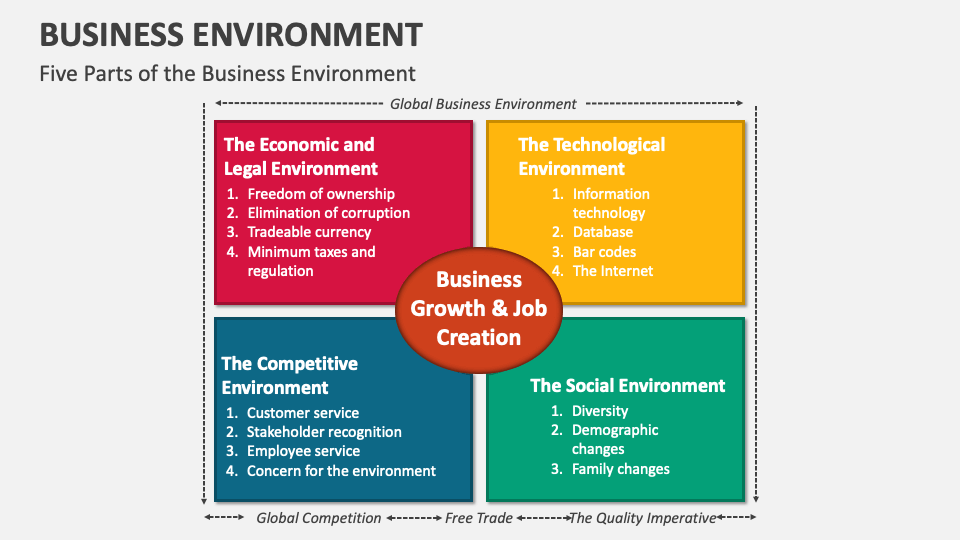
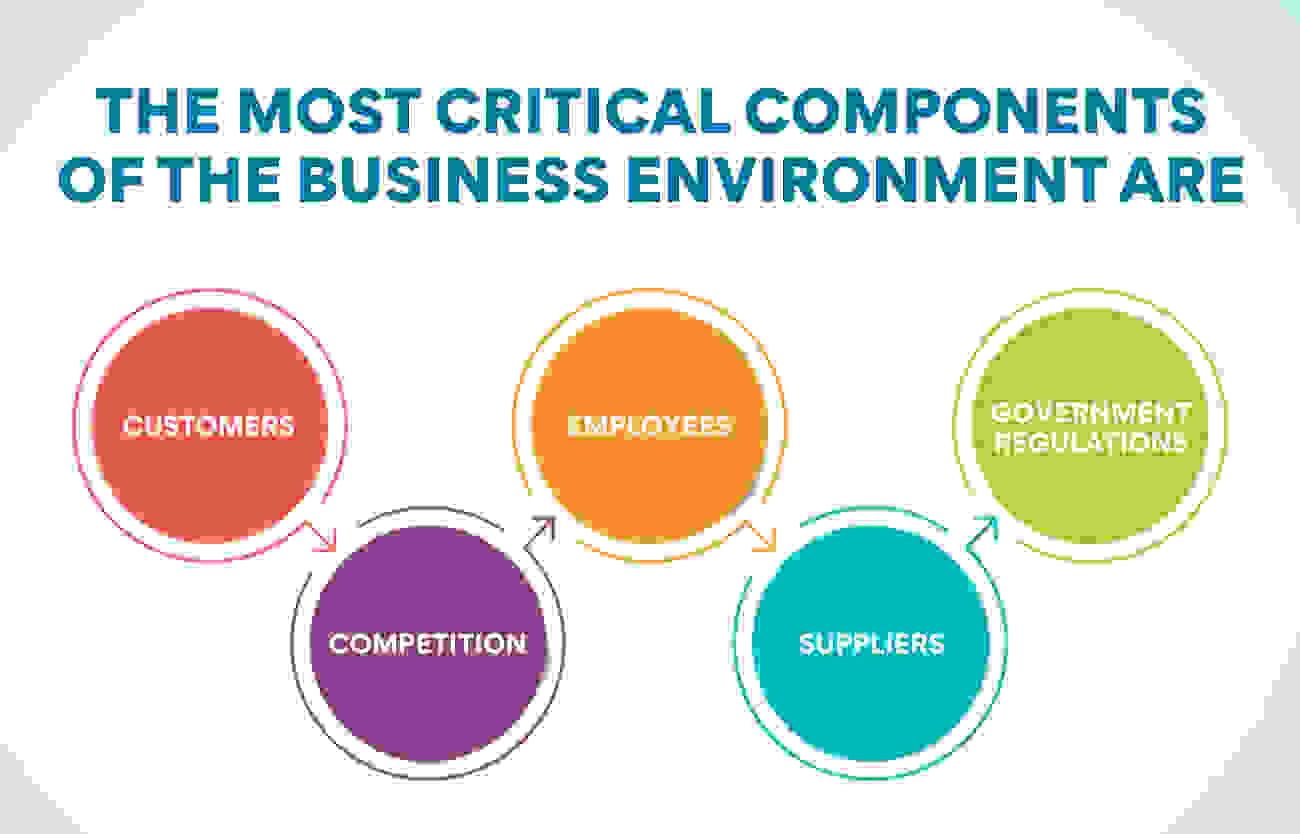
Think of the business environment as two overlapping circles. The macro layer captures broad forces—political, economic, social, technological, legal, and environmental—that affect all players. The micro layer zeroes in on industry‑specific elements like competitors, suppliers, and customer preferences. Both must be examined, because a macro shock (say, a new trade tariff) can reshape micro dynamics overnight.
- Political & Legal: Policies, regulations, and stability.
- Economic: Inflation, exchange rates, and consumer spending power.
- Social: Demographic trends, cultural shifts, and lifestyle changes.
- Technological: Innovation cycles, automation, and digital adoption.
- Environmental: Sustainability pressures and resource scarcity.
- Industry‑specific: Competitive intensity, supplier power, and buyer behavior.
Tools of the Trade: PESTLE, SWOT, and Porter’s Five Forces
Analysts rarely rely on gut feeling alone; structured frameworks bring order to the noise. PESTLE dives deep into macro factors, while a SWOT matrix pairs internal strengths and weaknesses with external opportunities and threats. For a sharper view of competitive pressure, Porter’s Five Forces dissects rivalry, new‑entry barriers, supplier and buyer power, and the threat of substitutes. Using these tools in concert paints a fuller, more actionable picture.
Gathering Reliable Data
Data quality makes or breaks any analysis. Public sources—government reports, industry whitepapers, and trade association statistics—provide baseline macro metrics. For micro insights, company filings, market surveys, and social listening tools capture competitor moves and consumer sentiment. Don’t forget to verify the timeliness of each source; a lagging dataset can mislead even the most seasoned strategist.
Turning Insight into Action
Once you’ve mapped the terrain, the next step is translating findings into concrete moves. If a PESTLE scan highlights rising environmental regulations, consider investing in greener processes now to stay ahead of compliance costs. A SWOT analysis that flags a brand’s strong reputation (strength) against a shrinking market segment (threat) might prompt a pivot toward emerging demographics. In essence, each insight should spark a specific, measurable initiative.
Adapting Strategies on the Fly
The business environment is fluid; static plans become obsolete quickly. Adopt a “scenario planning” mindset: sketch best‑case, worst‑case, and most‑likely futures, then test your strategies against each. Regularly scheduled environment reviews—quarterly or even monthly in fast‑moving sectors—keep your roadmap aligned with reality. Flexibility isn’t a luxury; it’s a competitive advantage.
Common Pitfalls to Avoid
Even seasoned teams stumble over a few recurring errors. Over‑reliance on a single framework can blind you to blind spots; mix PESTLE with other lenses. Ignoring the human element—employee morale or leadership culture—often skews the internal side of the equation. Lastly, failing to act on the analysis renders the whole exercise moot; insights must feed decisions, not just sit on a PowerPoint slide.
Practical Checklist for Ongoing Decoding
- Schedule quarterly macro‑environment scans (PESTLE).
- Update SWOT and Five Forces analyses after major market events.
- Validate data sources for relevance and timeliness.
- Link each insight to a specific action item with owners and deadlines.
- Review outcomes regularly and adjust assumptions as needed.
FAQ
Q: How often should a company revisit its business environment analysis?
A: In stable industries an annual review may suffice, but fast‑changing sectors—technology, retail, energy—benefit from quarterly or even monthly check‑ins to capture rapid shifts.
Q: Can small businesses use the same frameworks as large corporations?
A: Absolutely. The concepts scale down; a lean startup might conduct a simplified PESTLE and a quick SWOT, focusing on the most relevant factors rather than exhaustive data collection.
Q: What’s the biggest advantage of scenario planning?
A: It forces teams to consider unlikely but possible events, building resilience. When a surprise occurs—say, a sudden supply‑chain disruption—the company already has pre‑tested response options.
Q: Is technology essential for decoding the business environment?
A: Technology speeds up data gathering and visualization, but the core skill remains analytical thinking. Tools are aids, not replacements for critical judgment.