How to Deep‑Clean Your Washing Machine and Dryer Like a Pro
When the fresh‑scented laundry starts to smell musty or the dryer takes forever to finish a cycle, it’s usually a sign that the appliances need more than a quick wipe‑down. A thorough, deep clean tackles hidden grime, mineral buildup, and lingering odors, extending the life of both the washer and dryer while keeping your clothes smelling truly clean.
Why a Deep Clean Beats a Surface Wipe
Surface cleaning removes dust and visible debris, but the real culprits—detergent residue, lint, and mineral deposits—hide in hard‑to‑reach places. Over time these layers can reduce efficiency, cause mildew, and even trigger error codes. A deep clean reaches the drum, seals, venting system, and internal hoses, restoring optimal performance.
Gather Your Supplies
- White vinegar – natural degreaser and odor neutralizer.
- Baking soda – gentle abrasive that lifts stains.
- Bleach (optional) – for stubborn mold on front‑load seals.
- Lint brush or vacuum with a narrow nozzle.
- Microfiber cloths and a soft‑bristle scrub brush.
- Old toothbrush for tight corners.
Step‑by‑Step Deep Clean for the Washing Machine
Front‑loaders and top‑loaders share most cleaning steps, but the seal on a front‑loader needs special attention.
1. Run a Hot Vinegar Cycle
Add two cups of white vinegar to the detergent dispenser, then select the hottest, longest wash cycle. The vinegar dissolves mineral deposits and kills bacteria without harming seals.
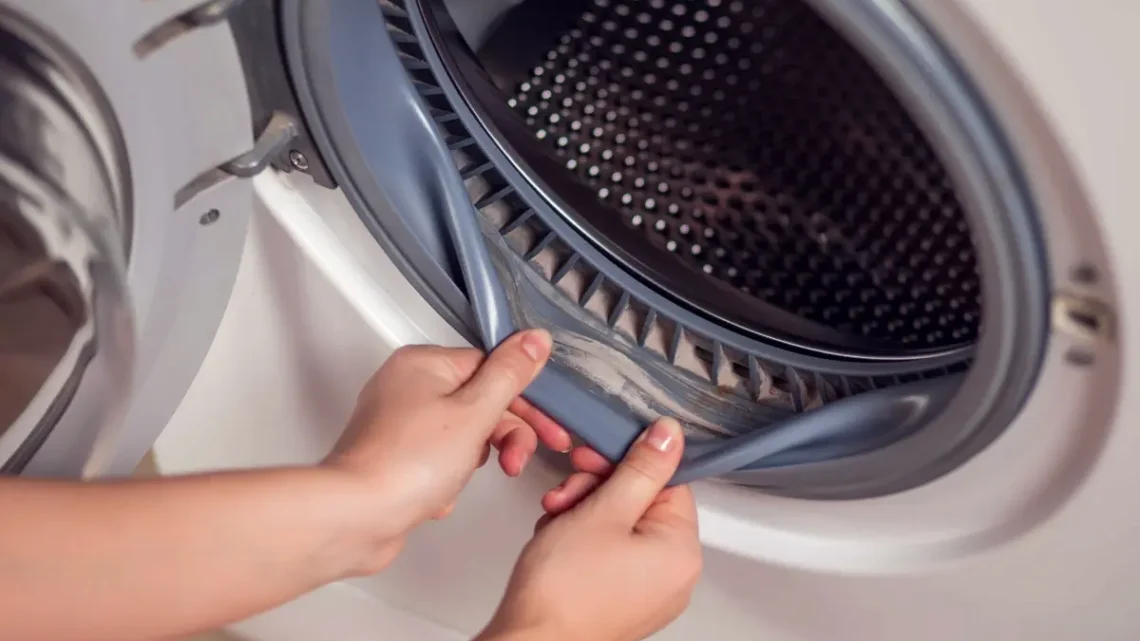
2. Tackle the Door Seal
While the machine runs, dip a cloth in a vinegar‑water mix (one part vinegar, one part water) and wipe the rubber gasket. Use an old toothbrush to scrub hidden folds where mold loves to hide.
3. Baking Soda Rinse
After the vinegar cycle finishes, sprinkle half a cup of baking soda directly into the drum and run another hot wash. This neutralizes any lingering vinegar scent and lifts residual grime.
4. Clean the Dispenser and Filters
Remove the detergent drawer and soak it in warm, soapy water. Scrub the interior with a brush, rinse, and reinstall. If your model has a lint filter (often behind the agitator), clean it with a vacuum.
5. Finish with a Dry Cycle
Leave the door ajar for a few hours to let the interior air out. This prevents mildew from re‑establishing itself.
Deep‑Cleaning the Dryer: Vent, Drum, and Lint
The dryer’s biggest enemy is lint. A clogged vent not only reduces drying efficiency but also poses a fire hazard.
1. Unplug and Pull Out the Dryer
Safety first—always disconnect power before you start. Move the dryer away from the wall enough to access the vent pipe.
2. Clear the Lint Trap Thoroughly
Even if you clean the trap after every load, residue builds up. Wash the trap with warm, soapy water, then dry it completely.
3. Vacuum the Vent Pipe
Use a vent brush attachment or a flexible dryer vent cleaning kit. Insert it into the pipe and gently rotate while pulling out lint. Follow the pipe to the outside vent and repeat.
4. Wipe the Drum
Mix equal parts vinegar and water, dampen a cloth, and run it around the drum’s interior. For stubborn stains, sprinkle baking soda on the cloth before wiping.
5. Reassemble and Test
Slide the dryer back, reconnect power, and run a short “air‑only” cycle (no heat) to ensure airflow is clear. You should hear a stronger, whistling sound as air moves freely.
Routine Maintenance to Keep the Secrets Working
- Run a vinegar cycle monthly, or every 30‑40 loads.
- Empty the lint trap after each drying session; give it a quick wash weekly.
- Inspect the dryer vent quarterly; professional cleaning may be needed once a year for high‑usage households.
- Leave both doors slightly open after use to let moisture escape.
By turning these habits into a quick checklist, you’ll notice less static, shorter drying times, and a fresher scent coming from your laundry every week.
Common Pitfalls and How to Avoid Them
Using too much bleach. Bleach can degrade rubber seals and cause discoloration. Reserve it for occasional mold spots and always dilute.
Neglecting the dryer’s exhaust fan. If your dryer vents through a wall fan, the fan can collect lint too. Clean it with the same brush you use for the vent pipe.
Skipping the final dry‑out. Closing doors immediately traps humidity, which encourages mildew. A brief air‑dry period makes a noticeable difference.
FAQ
Q: How often should I deep‑clean my washing machine?
A: A thorough deep clean every 2–3 months is ideal, but if you notice a sour smell or excess suds, do it sooner.
Q: Can I use commercial dryer sheets during a deep clean?
A: It’s best to avoid them during the cleaning cycle; they can leave residue that defeats the purpose of a fresh, lint‑free vent.
Q: Is it safe to use vinegar on a high‑efficiency (HE) washer?
A: Absolutely—vinegar is safe for both HE and traditional models and is actually recommended by many manufacturers for routine maintenance.