How to Diagnose and Fix Hayward TriStar Pump Motor Issues
Whether you’re a seasoned pool owner or a first‑time DIYer, the Hayward TriStar pump motor is a workhorse that keeps water circulating clean and inviting. When the motor hiccups, the whole system can stall, leaving you with cloudy water and higher energy bills. This guide walks you through the most common problems, a practical troubleshooting flow, and a few maintenance habits that can extend the life of your pump.
Understanding the Hayward TriStar Pump Motor
The TriStar series blends a high‑efficiency motor with a robust hydraulic design, meaning it can handle larger pools while staying relatively quiet. Its motor is typically a 1‑horsepower, single‑phase unit with a start‑capacitor that gives it the torque needed to push water through the filter and return lines. Because the motor runs continuously during the pool season, even minor wear can snowball into bigger failures if left unchecked.
Common Symptoms of a Failing Hayward TriStar Pump Motor
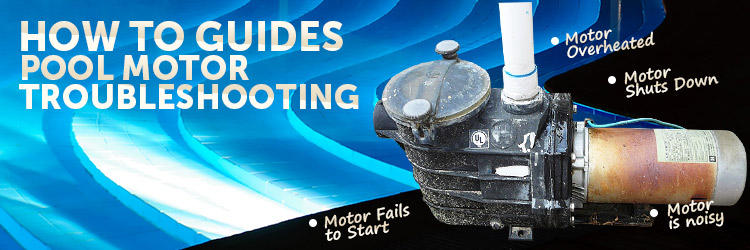
- Humming but not turning: The motor receives power, but the rotor is stuck or the capacitor has failed.
- Intermittent start‑ups: The pump starts, runs a few seconds, then shuts off—often a sign of overheating or a loose electrical connection.
- Excessive vibration or noise: Worn bearings, misaligned shafts, or debris lodged in the impeller can cause the motor to shake.
- Reduced water flow: A motor that runs slower than usual may have worn windings or a clogged suction side.
- Burnt smell or scorching: Overheating due to low voltage or a failing capacitor can melt insulation.
Step‑by‑Step Troubleshooting Process
1. Safety First
Before you lift a wrench, switch off the circuit breaker that powers the pump and lock out the switch. A quick voltage check with a multimeter can confirm that the pump is truly de‑energized. This precaution protects both you and the motor from accidental damage.
2. Check Power Supply
Low or fluctuating voltage is a silent killer for single‑phase motors. Measure the line voltage at the pump’s terminals; you should see around 230 V (or 120 V in North‑American models) within a 5‑percent tolerance. If the reading is low, inspect the breaker, wiring, and any GFCI devices for signs of wear or corrosion.
3. Inspect the Capacitor
The start‑capacitor stores a burst of energy that gets the motor turning. A faulty capacitor often produces the classic humming‑without‑turning symptom. Visually, look for bulging, leaking, or cracked tops. If you have a multimeter with capacitance testing, compare the reading to the rating printed on the part. Replacing a capacitor is inexpensive and frequently solves the problem.
4. Examine the Motor Bearings
Spin the motor shaft by hand (with power off). It should turn smoothly with only a faint resistance. Roughness, grinding, or a gritty feel points to worn bearings. In many cases, the whole motor assembly needs to be removed for a bearing swap, which is best handled by a professional unless you’re comfortable disassembling the pump housing.
5. Look for Blockages and Air Locks
Debris can lodge in the impeller, reducing flow and causing the motor to overheat. Shut off the pump, remove the strainer basket, and inspect the impeller cavity for leaves, hair, or sand. Air trapped in the suction line creates an “air lock,” making the motor struggle to start. Bleeding the air out—by opening a manual air relief valve or briefly running the pump with a higher water level—often restores normal operation.
6. Test the Motor Windings
Using a multimeter set to the ohms scale, check each winding for continuity. A reading of infinite resistance means a broken coil, while a significantly lower resistance than specified suggests a short. Windings that are compromised usually require motor replacement rather than repair.
7. When to Call a Professional
If you’ve verified the power, capacitor, and bearings, yet the motor still misbehaves, it’s time to involve a licensed pool technician. They have the tools to perform insulation resistance testing, re‑wind coils, or replace the motor safely. Attempting advanced repairs without proper training can void warranties and pose safety hazards.
Maintenance Tips to Prevent Future Problems
- Run the pump regularly: Even during off‑season months, a short daily run keeps the motor lubricated and prevents seals from drying out.
- Keep the area clean: Leaves and grit around the pump housing can find their way into the impeller.
- Check voltage annually: Seasonal fluctuations in your home’s electrical system can affect motor performance.
- Schedule a professional inspection: A yearly service can catch worn bearings or capacitor fatigue before they cause a shutdown.
- Use a pool cover: Reducing debris reduces the workload on the motor, extending its lifespan.
Frequently Asked Questions
Q: Why does my Hayward TriStar pump motor hum but never spin?
A: The most common culprit is a dead start‑capacitor, which prevents the motor from getting the initial torque it needs. Verify the capacitor first, then confirm that the power supply is delivering the correct voltage.
Q: Can I replace the motor myself, or should I always hire a pro?
A: Replacing the motor is doable for experienced DIYers, but it involves handling high‑current wiring and properly aligning the pump shaft. If you’re not comfortable with electrical work or have limited plumbing experience, a qualified technician will ensure the job meets local codes and maintains warranty coverage.
Q: How often should I clean the impeller on a TriStar pump?
A: Inspect the impeller at least once per season, or more often if your pool is surrounded by trees. A quick visual check while the pump is off can reveal buildup before it impairs performance.




)