How to Disable Google Smart Lock: Quick Android Guide & Case Study
If you’ve ever wondered why your phone keeps unlocking without you, it’s likely because Google Smart Lock is active. This feature is designed to keep you connected to trusted devices and locations, but there are times when turning it off is the smarter choice—especially when you need tighter control over your device’s security or are sharing it temporarily. Below is a concise, step‑by‑step guide, followed by a real‑world case study that illustrates why you might disable Smart Lock.
Understanding Google Smart Lock
Smart Lock works by recognizing a range of trusted conditions: nearby Bluetooth devices, specific Wi‑Fi networks, or even your own face or fingerprint. Once a condition is met, the phone automatically stays unlocked, which is handy when you’re working in a familiar environment. However, this convenience can become a vulnerability if the trusted device is lost, borrowed, or compromised.
Why Disable Smart Lock?
- Enhanced privacy. If you share your phone with coworkers or family, automatic unlocking can expose sensitive data.
- Secure corporate usage. Enterprises often require devices to be manually authenticated on every use to meet compliance standards.
- Prevent accidental unlocking. When traveling or in crowded spaces, Smart Lock can unintentionally unlock in the wrong hands.
- Control over device sharing. If you rent out your phone or use it on a public computer, automatic unlocking is a risk.
A Step‑by‑Step Guide to Turning It Off
Step 1: Open Settings
From the home screen, tap the gear icon or swipe down twice and select the gear to launch the Settings app.
Step 2: Locate Security & Location
Scroll until you see Security or Security & location—the wording may differ slightly depending on Android version.
Step 3: Select Smart Lock
Within the Security menu, tap Smart Lock. You may be prompted to enter your device’s PIN, pattern, or password for verification.
Step 4: Disable All Trusted Conditions
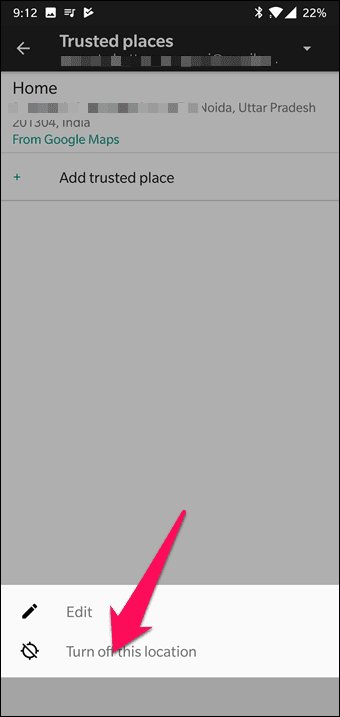
- On the Smart Lock screen, you’ll see options like On-body, Trusted devices, and Trusted places. Toggle each switch to the off position.
- If a device or location is listed as Trusted, tap the device name and choose Remove or Forget.
- Once all toggles are off, a confirmation dialog will appear. Confirm the change to finalize the process.
Step 5: Verify the Change
Lock your phone and then power it back on or press the power button. If you’re prompted for the PIN, pattern, or password, Smart Lock has been disabled.
Case Study: The Office Manager Who Needed Extra Security
Maria runs a mid‑size marketing agency. She shared a tablet with the design team for brainstorming sessions, and the device was set to stay unlocked whenever it detected the office Wi‑Fi or a Bluetooth speaker she kept nearby. One afternoon, a junior designer accidentally left the tablet in a café. The device unlocked automatically, and the designer was able to access client files. Concerned about data leakage, Maria immediately disabled Smart Lock on all team devices.
After turning off Smart Lock, each user was required to enter their PIN whenever they returned to the office. This small step eliminated unauthorized access during the occasional accidental leave and reinforced a culture of intentional security. Maria reports that the policy change also helped the IT team spot other potential vulnerabilities in the company’s shared devices.
Common Issues and How to Resolve Them
- Device stays unlocked after disabling Smart Lock. Reboot the phone to ensure settings take effect.
- Unable to find the Smart Lock option. Some manufacturers bundle Smart Lock under a different name like “Device Security” or “Auto Unlock.” Check the manufacturer’s support page for guidance.
- Smart Lock keeps re‑activating. This can happen if a device is re‑paired or a new Bluetooth device is paired that the system automatically trusts. Review the Trusted devices list and remove any unwanted entries.
FAQ
- Does disabling Smart Lock affect other Google features? No, it only stops automatic unlocking based on trusted devices or locations.
- Can I keep Face Unlock while disabling Smart Lock? Yes, Face Unlock or fingerprint authentication remains available; Smart Lock merely stops the automatic bypass.
- Will disabling Smart Lock reduce battery life? Not significantly. The feature is lightweight; turning it off may even save a few minutes of power.
- What if I forget my PIN after disabling Smart Lock? Use the Forgot PIN option or reset the device through recovery mode—this is standard for any Android device.


![How to Turn off Google Smart Lock on Android [in Seconds]](https://images.ultfone.com/article/toolkit/turn-off-google-smart-lock-on-instagram.jpg?w=1034&h=678)