How to Download Music from Qobuz: The Ultimate Guide
If you’ve ever wondered how to get your favorite high‑resolution tracks onto a device for offline listening, you’ve landed in the right place. Qobuz downloads are a staple for audiophiles who value lossless quality, and this guide walks you through every step—from setting up your account to troubleshooting common hiccups. By the end, you’ll be streaming less and enjoying your curated collection wherever you go.
Understanding Qobuz and Its Download Options
Qobuz is a subscription‑based streaming service that prides itself on offering FLAC, ALAC, and even DSD files at up to 24‑bit/192 kHz. Unlike some competitors that limit downloads to a handful of tracks, Qobuz lets premium members grab entire albums for offline playback. The key distinction is that downloads are tied to your account, not a specific device, meaning you can re‑sync your library whenever you log in.
Preparing Your Devices for Qobuz Downloads
Before you dive in, make sure your hardware meets the basic requirements. On a computer, the Qobuz desktop app runs on Windows 10 or later, macOS 10.13+, and Linux (via the web player). Mobile devices need iOS 13+ or Android 7.0+. A stable Wi‑Fi connection speeds up the transfer, especially for high‑resolution files that can be several hundred megabytes each.
Step‑by‑Step: Downloading on Desktop
- Install the app: Visit Qobuz.com, navigate to the “Download” section, and follow the installer prompts.
- Log in: Use the credentials linked to your Premium or Hi‑Fi subscription.
- Find your music: Browse or search for an album, then click the download icon (a downward arrow) next to the title.
- Choose the format: Select FLAC 16‑bit, FLAC 24‑bit, or ALAC, depending on your storage and playback equipment.
- Set the destination: The app defaults to a “Qobuz” folder in your Music directory, but you can change this in Settings.
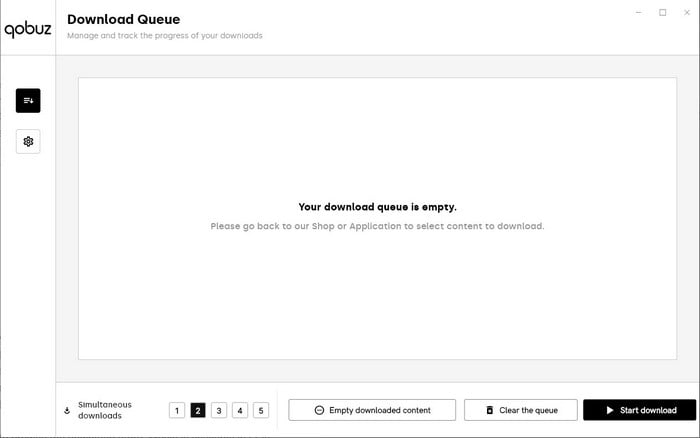
- Start the download: Confirm, and the progress bar will display the transfer speed and remaining time.
Once finished, the files appear in your library and are ready for offline playback within the app. You can also right‑click any track in the desktop player to view file metadata, which often includes detailed credits and recording dates.
Downloading on Mobile: iOS and Android
The mobile experience mirrors the desktop workflow, with a few UI tweaks. Open the Qobuz app, locate the album you want, and tap the three‑dot menu to reveal the “Download” option. A prompt will ask if you prefer “Standard Quality” (FLAC 16‑bit) or “Hi‑Res Quality” (FLAC 24‑bit). After confirming, the app caches the files in its internal storage, and you can manage them under Settings → Storage.
Keep in mind that mobile devices often have limited space, so it’s wise to periodically prune older downloads. Qobuz offers an automatic “Remove after X days offline” feature that helps keep your library tidy without manual effort.
Understanding Download Limits and Offline Playback
Premium Qobuz members can download up to 10 GB of music per month, while Hi‑Fi subscribers enjoy a generous 100 GB cap. These limits reset each billing cycle, so you’ll want to plan your offline sessions accordingly. If you exceed the quota, the app will pause further downloads until the next cycle begins.
Offline playback works as long as you’ve logged in at least once every 30 days. This “online check‑in” confirms that your subscription is active, after which the downloaded files remain playable even without an internet connection.
Managing Your Downloaded Library
Both desktop and mobile apps include a “Downloads” tab where you can sort by artist, album, or file size. From here you can delete individual tracks, clear entire albums, or even move files to an external drive—useful for archiving your high‑resolution collection. If you decide to switch devices, simply log in on the new machine and re‑sync; Qobuz will recognize which files you already own and skip re‑downloading them.
Tips for Optimizing Storage and Audio Quality
- Use an external SSD: High‑resolution FLAC files can quickly fill a phone’s internal storage; an external drive offers a portable, high‑capacity solution.
- Choose the right format: If you’re listening on standard Bluetooth headphones, FLAC 16‑bit often sounds indistinguishable from 24‑bit, saving space.
- Enable Wi‑Fi‑only downloads: Prevent unwanted data usage on cellular plans by toggling this setting in the app’s preferences.
Common Issues and How to Fix Them
Downloads stall or fail. A typical culprit is an unstable network. Try pausing the download, reconnecting to a stronger Wi‑Fi source, and resuming. If the problem persists, clear the app’s cache via Settings → Storage, then restart the app.
Downloaded files won’t play. Ensure you’re using the official Qobuz player; third‑party apps may not recognize the DRM‑free files. Updating the app to the latest version also resolves compatibility glitches.
Running out of space. The mobile app’s “Smart Delete” feature automatically removes the least‑played tracks once you hit a preset storage threshold. You can customize this threshold in Settings → Storage Management.
Legal and Ethical Considerations
Qobuz downloads are licensed for personal, non‑commercial use only. Sharing files outside of your own devices, even with friends, violates the terms of service and can lead to account suspension. If you love a particular album, consider supporting the artist by purchasing the download directly from Qobuz’s store, which often includes higher royalties compared to streaming alone.
FAQ
Can I download individual tracks, or only whole albums? Qobuz allows both. While albums are common, you can click the download icon next to any single track in the desktop or mobile app.
Do Qobuz downloads work on any music player? The files are delivered in standard FLAC or ALAC formats, so any player that supports these codecs can play them—provided you own the files legally.
What happens if I cancel my subscription? Offline files remain on your device, but you’ll lose the ability to play them after the 30‑day grace period without a valid subscription.
Is there a way to increase my monthly download limit? Upgrading from Premium to Hi‑Fi automatically expands the limit. Beyond that, Qobuz occasionally offers promotional “extra download” bundles.
Armed with these steps and tips, you’re ready to build a personal, high‑resolution library that travels with you. Happy listening!