How to Download the Latest RStudio Version in Minutes
RStudio remains the go‑to IDE for anyone working with the R language, whether you’re cleaning data, building models, or publishing reports. Getting the most recent release ensures you benefit from performance tweaks, new features, and tighter integration with the latest R itself. Below is a practical walkthrough that gets you from the download page to a fully functional installation, plus tips on avoiding the usual hiccups.
Why Keep RStudio Updated?
Each RStudio release bundles dozens of enhancements. For example, recent updates introduced a refreshed Terminal pane, improved package manager support, and native dark‑mode refinements that many users request. Moreover, security patches are quietly rolled out to address vulnerabilities that could affect scripts handling external data. Skipping these updates may leave you with a slower IDE and a higher risk of compatibility problems when new R packages are released.
Step‑by‑Step Guide to Downloading RStudio
- Check your R version. RStudio runs on top of R, so make sure you have a recent R installation (4.2 or newer). You can verify this by opening R and typing
R.version.string. - Visit the official download page. Navigate to posit.co/download/rstudio-desktop. The site automatically detects your operating system—Windows, macOS, or Linux—and highlights the appropriate installer.
- Select the installer type. Windows users usually choose the
.exefile, macOS users the.dmg, and Linux users the.debor.rpmpackage that matches their distribution. - Download the file. Click the prominent “Download” button. The file size typically ranges between 150 MB and 250 MB, depending on the platform.
- Run the installer. On Windows, double‑click the
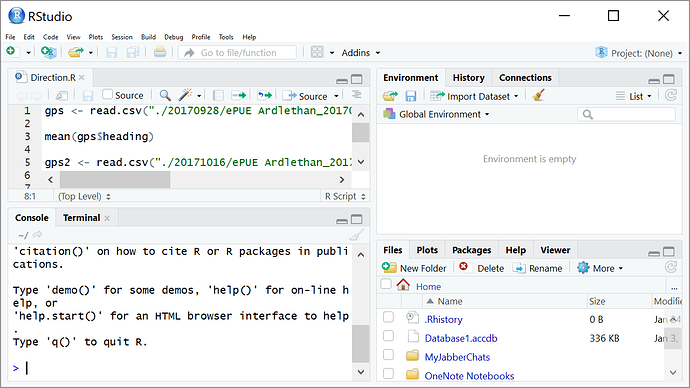
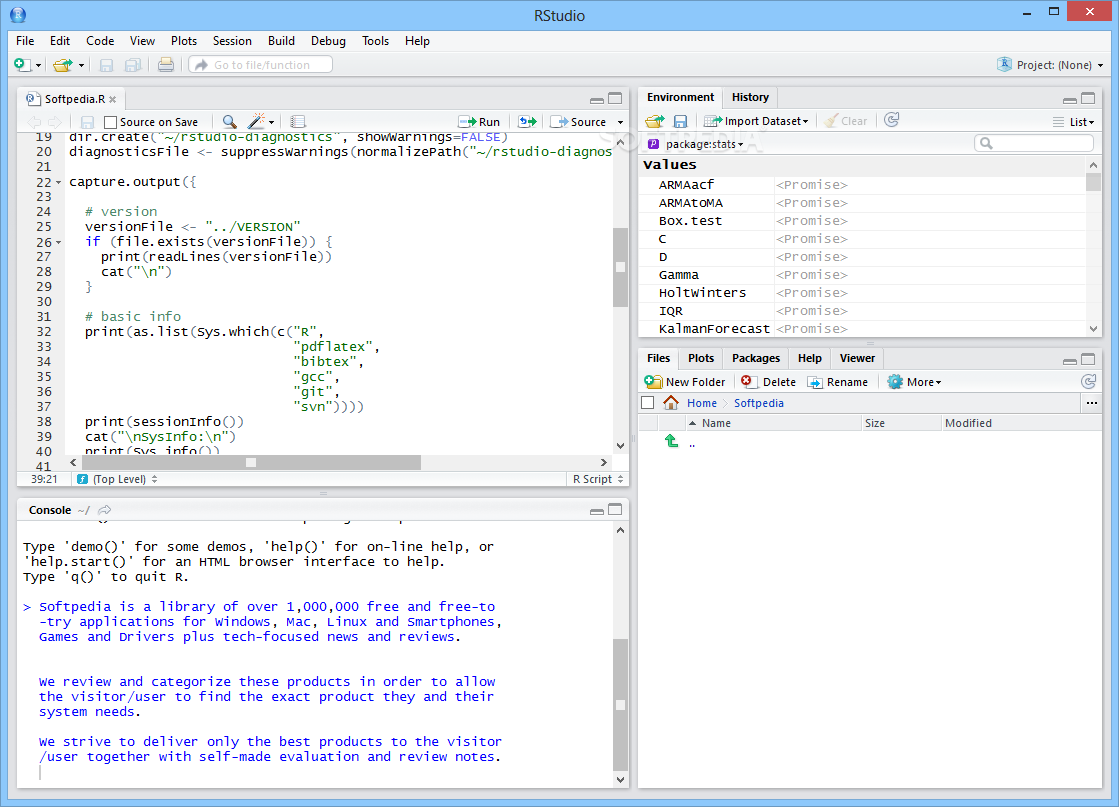
.exeand follow the wizard; macOS users drag the RStudio icon into the Applications folder; Linux users can install viasudo dpkg -i rstudio‑version.debor the equivalentrpmcommand. - Verify the installation. After the installer finishes, launch RStudio. The splash screen will display the version number, confirming you have the latest build.
Choosing Between RStudio Desktop and Server
If you work on a personal laptop, the Desktop edition is the most straightforward choice. It runs locally, uses your machine’s resources, and integrates tightly with your file system. Organizations that need collaborative access, on‑demand computing, or remote execution often opt for RStudio Server, which runs in a browser and can be hosted on a Linux server or cloud instance. The download process for Server involves pulling a Docker image or installing a package from the repository, which is a slightly more advanced workflow.
Common Installation Issues and How to Fix Them
Even a smooth installer can trip over a few snags. Here are the most frequent problems and quick remedies:
- Missing R installation. RStudio will refuse to start if it cannot locate R. Reinstall R, or set the
RSTUDIO_WHICH_Renvironment variable to point to the correct R executable. - Permission errors on macOS. Occasionally the installer cannot write to the
/Applicationsfolder. Running the installer with administrator privileges (right‑click → “Open”) usually resolves this. - Dependency conflicts on Linux. The
libsslorlibcurllibraries might be out of date. Updating them via your package manager (e.g.,sudo apt-get update && sudo apt-get upgrade) clears the hurdle. - Old configuration files. If RStudio launches but appears garbled, delete or rename the hidden folder
.config/rstudio(Linux/macOS) or%localappdata%\RStudio-Desktop(Windows) to reset settings.
Staying Up to Date Automatically
RStudio includes a built‑in update checker. After installation, go to Help → Check for Updates. If you enable the “Automatically check for updates” option, the IDE will notify you whenever a new version is released. For headless servers, you can script a regular wget of the latest release URL and replace the binary via a cron job.
FAQs
Q: Do I need to uninstall the old RStudio before installing the new version?
A: No. The installer overwrites the existing files, preserving your projects and settings. Only remove the old version if you encounter persistent corruption.
Q: Can I run RStudio on a Chromebook?
A: Directly, no. However, you can enable Linux (Beta) on the Chromebook, install a Linux distribution, and then follow the Linux installation steps outlined above.
Q: Is there a free version of RStudio?
A: Yes. RStudio Desktop is open‑source and free for personal use. The commercial “Posit Professional” tier adds advanced collaboration and support features.