How to Finance Your HVAC System: A Practical Guide to Comfort
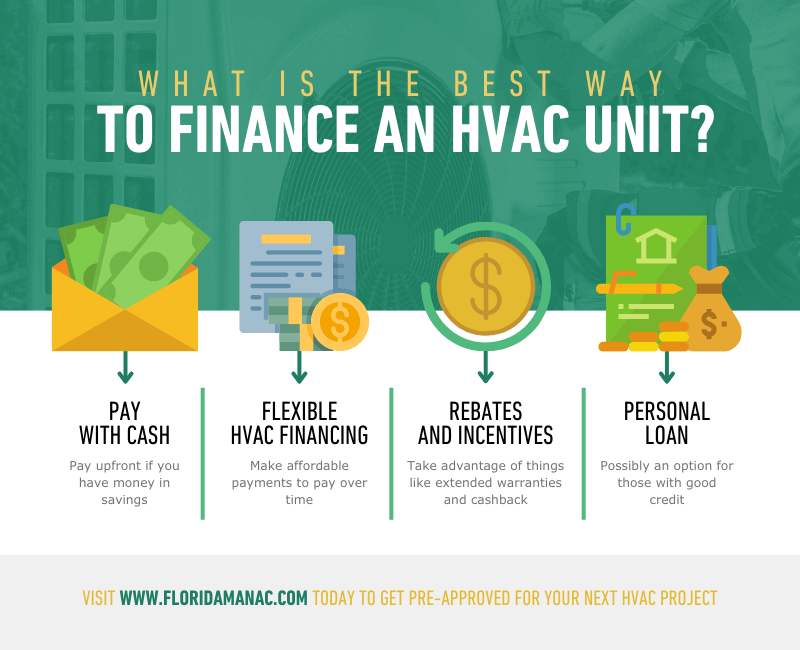
When a furnace or air‑conditioner gives out, the sudden loss of temperature control can feel like a crisis. The good news is that most homeowners don’t have to pay the full price out of pocket. HVAC financing options let you spread the cost over time, keeping your budget intact while restoring indoor comfort. Below you’ll find a rundown of the most common ways to fund a new heating, ventilation, and air‑conditioning system, plus tips for picking the plan that matches your needs.
Why Financing Makes Sense for an HVAC Upgrade
Modern HVAC units are more efficient, but they also carry a higher price tag than older models. A typical central‑air system can cost anywhere from a few thousand to upwards of ten thousand dollars, depending on size and features. By financing, you convert a large one‑time expense into manageable monthly payments, often with little impact on your credit score if you choose the right product. Moreover, many lenders tie financing to the energy savings you’ll gain, so the monthly bill may shrink faster than the loan balance.
Traditional Bank and Credit‑Union Loans
Classic term loans are a solid choice if you have a good credit history and prefer a fixed interest rate. Banks and credit unions usually offer terms from 12 to 84 months, with rates that can be lower than credit‑card APRs. Because the loan is secured by your personal credit rather than the equipment itself, you’ll need to demonstrate stable income and a reasonable debt‑to‑income ratio. The upside is predictable payments and the possibility to refinance later if rates drop.
Credit Cards – Quick, but Costly
For smaller installations or emergency repairs, a credit card can provide immediate funds. The convenience is undeniable—you can charge the purchase and start paying it off right away. However, most cards carry high annual percentage rates, especially if you carry a balance beyond the introductory period. If you opt for this route, look for cards offering a 0 % introductory APR for 12‑18 months and be sure to pay off the balance before the rate jumps.
Manufacturer and Dealer Financing Programs
Many HVAC brands partner with financing firms to offer “same‑as‑cash” deals. These programs often feature zero‑interest periods for a set term (commonly 12 or 24 months) and can be as simple as signing a short application at the dealer’s office. The trade‑off is that the loan is tied to the specific equipment you purchase, and missing a payment may affect both your credit and any warranty coverage. Still, for buyers who want a fast, low‑cost solution, this option is worth exploring.
Home‑Equity Loans and HELOCs
Using the equity in your home can unlock lower rates because the loan is secured by your property. A home‑equity loan provides a lump sum at a fixed rate, while a home‑equity line of credit (HELOC) works more like a revolving credit card, allowing you to draw only what you need. Both can be attractive for extensive HVAC projects that involve ductwork or whole‑house ventilation, but they also put your home at risk if you default, so weigh the benefits against the potential liability.
Energy‑Efficiency Incentives and Rebates
Federal, state, and utility programs frequently offer rebates for installing high‑efficiency units. While these aren’t financing per se, they effectively reduce the amount you need to borrow. Check the Database of State Incentives for Renewables & Efficiency (DSIRE) or your local utility’s website to see what credits are available. Pairing a rebate with a low‑interest loan can make the overall cost of a new system surprisingly affordable.
Choosing the Right Financing Mix
Start by calculating the total cost of the system, including installation, any necessary ductwork, and optional smart‑thermostat upgrades. Then compare the annual percentage rates (APRs) and total interest you’d pay under each option. A quick spreadsheet can reveal whether a 0 % dealer plan for 24 months beats a 4 % bank loan stretched over five years. Remember to factor in any fees—origination, prepayment penalties, or processing charges—that could tip the scales.
Tips for Getting Approved Quickly
- Check your credit score first. A score above 680 typically unlocks the best rates.
- Gather documentation. Pay stubs, tax returns, and proof of residence speed up the review.
- Keep debt low. Paying down a credit‑card balance before applying improves your debt‑to‑income ratio.
- Ask about “soft pull” pre‑approval. It lets you see potential terms without affecting your credit.
Common Pitfalls to Avoid
Beware of financing offers that sound too good to be true—especially those that hide high fees in the fine print. Also, don’t overlook the total cost of ownership; a low monthly payment might mask a longer loan term that ends up costing more in interest. Finally, double‑check that the contractor you hire is licensed and offers a solid warranty; financing a subpar installation can lead to costly repairs down the line.
Frequently Asked Questions
Can I finance an HVAC system with bad credit?
Yes, but options become limited. Some dealers work with specialty lenders that accept lower scores, often at higher interest rates. It’s wise to improve your credit before applying, or consider a secured loan like a home‑equity line if you have sufficient equity.
Do I need to refinance my HVAC loan later?
Refinancing makes sense if market rates drop or if your credit improves, allowing you to secure a lower APR and reduce overall interest. Just watch for prepayment penalties that could offset the savings.
Are there any tax credits for energy‑efficient HVAC systems?
Occasionally, the federal government offers tax credits for qualifying high‑efficiency units. The availability changes year to year, so check the IRS website or consult a tax professional before filing.
How long does the financing approval process usually take?
With a soft‑pull pre‑approval, you can get a decision in minutes. Full approval—especially for home‑equity loans—may require a few days to a week, depending on documentation and lender workload.