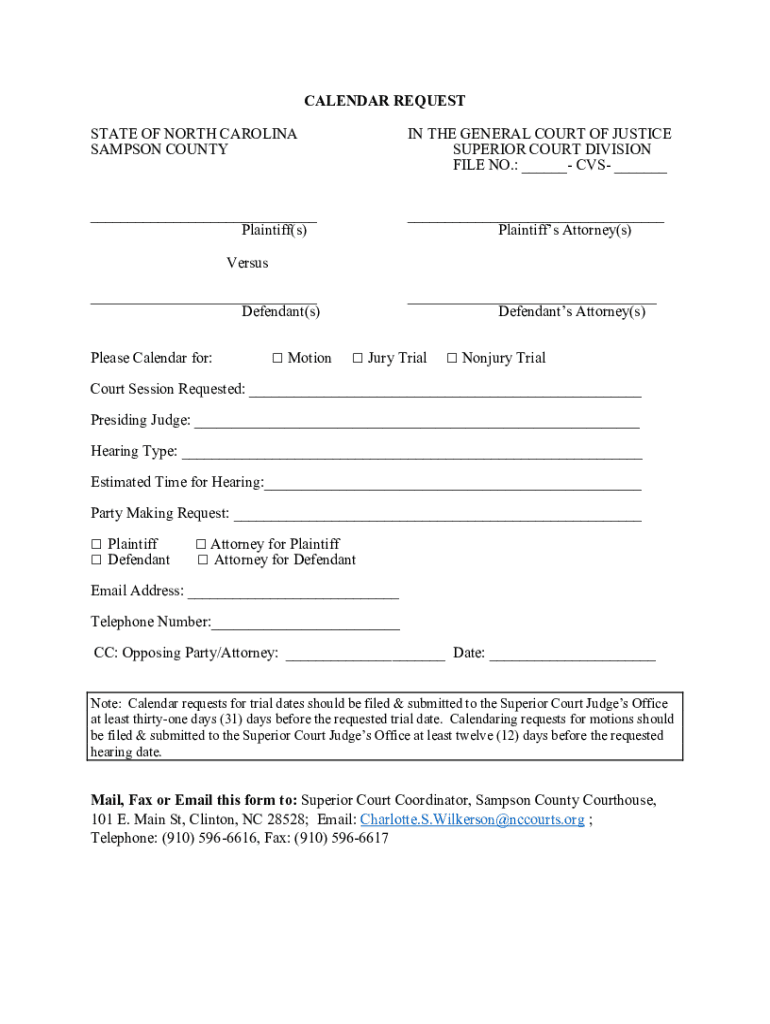
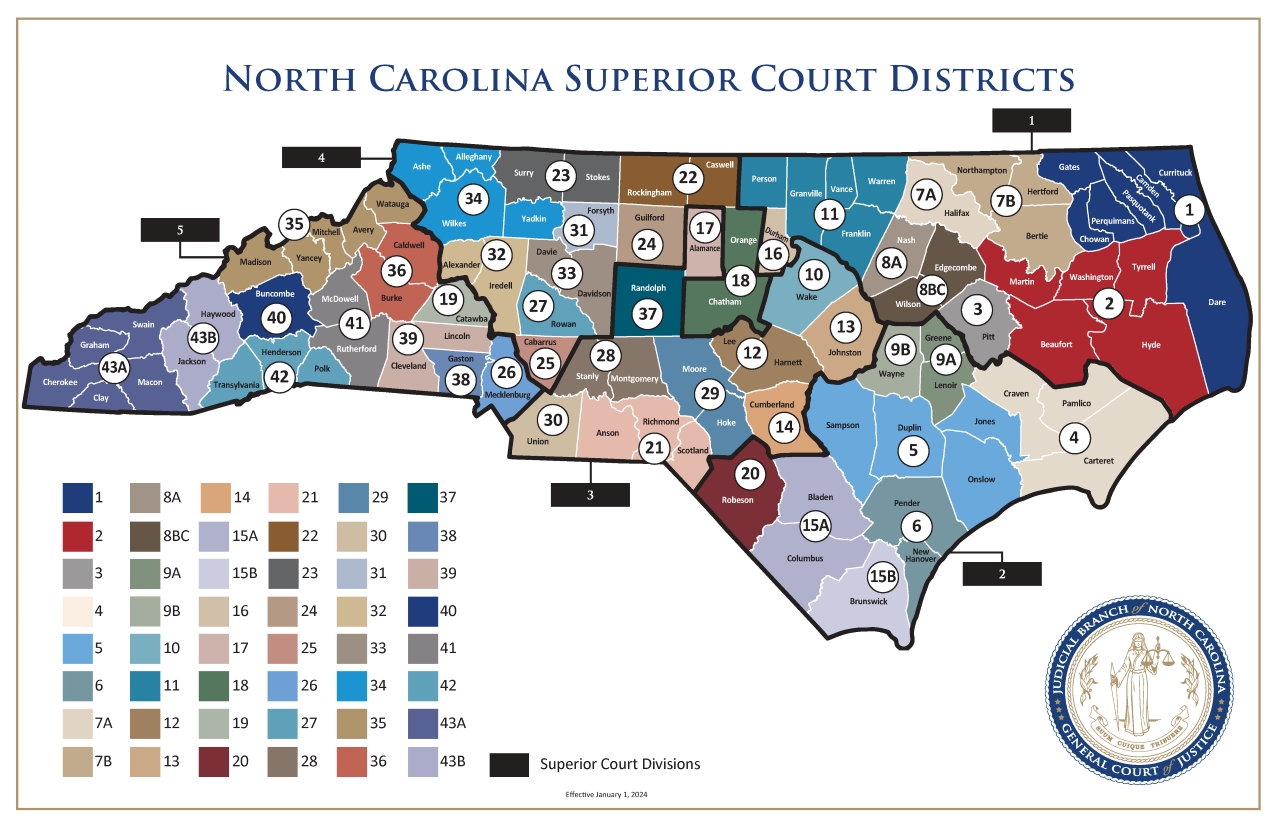
How to Find District & Superior Court Records on NC Calendar
If you need to find records on the NC court calendar for district and superior courts, you’re not alone. Lawyers, journalists, and curious citizens alike often turn to the state’s online portal to track case dates, filings, and outcomes. While the interface can feel a bit dense at first, a systematic approach makes the process straightforward.
Understanding the NC Court Calendar System
The North Carolina Judicial Branch maintains a unified calendar that aggregates docket information from all 45 district courts and 44 superior courts. Each entry typically includes the case number, parties involved, hearing type, and scheduled date. Because the system is public, anyone with internet access can view it—though some sensitive details may be redacted.
Getting Started: Accessing the Calendar
- Visit the official portal. Go to nccourts.gov and click “Court Calendar” under the “Public Services” menu.
- Select the court level. Choose “District Court” or “Superior Court” from the dropdown, then pick the county you’re interested in.
- Set a date range. The calendar defaults to the current month, but you can expand the view to cover weeks, months, or even a full year.
- Enter search criteria. Use the case number, party name, or hearing type (e.g., “motion”, “trial”) to narrow results.
Once you submit the form, the system returns a list of matching docket entries. Clicking an entry reveals more details, and many courts provide a link to the full docket PDF.
Locating District Court Records
District courts handle matters like small claims, traffic violations, and family law. To locate a specific record, follow these steps:
- Identify the county where the case was filed. District court jurisdictions are county‑based, so a case filed in Wake County won’t appear under Mecklenburg.
- Enter the case number if you have it. The format usually looks like “2023‑CR‑001234”. If you only know a party’s name, type it into the “Party” field; the system performs a fuzzy match.
- Review the hearing type column. District courts label hearings as “Plea”, “Mediation”, or “Bench Trial”. This helps you confirm you’ve found the right docket.
Many district courts also post the actual docket sheet as a downloadable PDF. If a PDF link isn’t visible, you can request the record in person at the clerk’s office; the online calendar is a reliable starting point, though not a guarantee of full document access.
Finding Superior Court Records
Superior courts handle felony criminal cases, civil lawsuits exceeding $25,000, and appeals from district courts. The search workflow mirrors the district process, with a few nuances:
- Case numbers differ. Superior court numbers often start with the year followed by “SC” (e.g., “2022‑SC‑045678”).
- More extensive docket entries. Superior court hearings may include multiple motions, evidentiary conferences, and sentencing dates, so expect longer entry lists.
- Electronic filing (e‑Filing) links. Some superior courts embed a direct link to the e‑Filing portal, where you can view pleadings, orders, and transcripts after creating a free account.
When you locate a docket, click the case number to see a summary. If the portal offers a “Full Docket” button, use it to download the entire case file. Otherwise, note the “Clerk’s Office” contact information—often a phone number and email—so you can request the record formally.
Tips for Efficient Searches
Even with a clear interface, a few tricks can save time:
- Use wildcard characters. Adding an asterisk (*) after a partial name (e.g., “Smith*”) captures variations like “Smith‑Jones”.
- Filter by hearing type. If you’re only interested in trials, select “Trial” from the “Hearing Type” dropdown to exclude routine status conferences.
- Check the “Updated” timestamp. The calendar shows when each entry was last refreshed; recent updates often mean newly filed motions or rescheduled dates.
- Bookmark frequently visited counties. The portal remembers your last selection, so you can jump straight to the same county without re‑navigating.
Common Pitfalls and How to Avoid Them
It’s easy to run into dead ends if you’re not aware of the system’s quirks:
- Out‑of‑date entries. Some courts lag in uploading new hearings, especially in rural areas. If a case seems missing, call the clerk’s office to verify.
- Redacted information. Sensitive details—like Social Security numbers or juvenile records—are omitted by law. You’ll see placeholders (“XXX”) in those fields.
- Mis‑typed case numbers. A single digit off can send you to a completely different docket. Double‑check the number format before submitting.
Frequently Asked Questions
Can I view the full text of court orders online?
Some counties provide PDFs of orders directly through the calendar link. If the document isn’t posted, you’ll need to request it from the clerk’s office, which may require a modest fee.
Do I need a North Carolina resident account to access the calendar?
No. The calendar is publicly accessible without any login. However, for e‑Filing portals that host full dockets, you’ll need to create a free user account.
How far back can I search for historic cases?
The online calendar typically covers the past three years. For older records, contact the respective district or superior court’s clerk; many maintain archival indexes that can be searched by case number.
Is there a mobile‑friendly way to search?
Yes. The NC Judicial Branch site is responsive, and the calendar works on most smartphones. For on‑the‑go searches, a simple browser on your phone will suffice.