How to Keep Up With Spanish News: What You Need to Know
Why Spanish News Matters Globally
Spanish news isn’t just for people living in Spain; it reaches a 580‑million‑strong audience across Latin America, the United States, and the growing diaspora online. From election results in Mexico to cultural festivals in Barcelona, the stories shape opinions, influence markets, and even guide foreign‑policy decisions. If you’re trying to understand the Spanish‑speaking world, staying current with its media is a shortcut to the broader narrative.
Top National Newspapers and Their Focus
- El País – Spain’s most widely read broadsheet, known for investigative pieces on politics and social issues.
- El Mundo – Offers a mix of hard news and opinion, with a reputation for bold editorial stances.
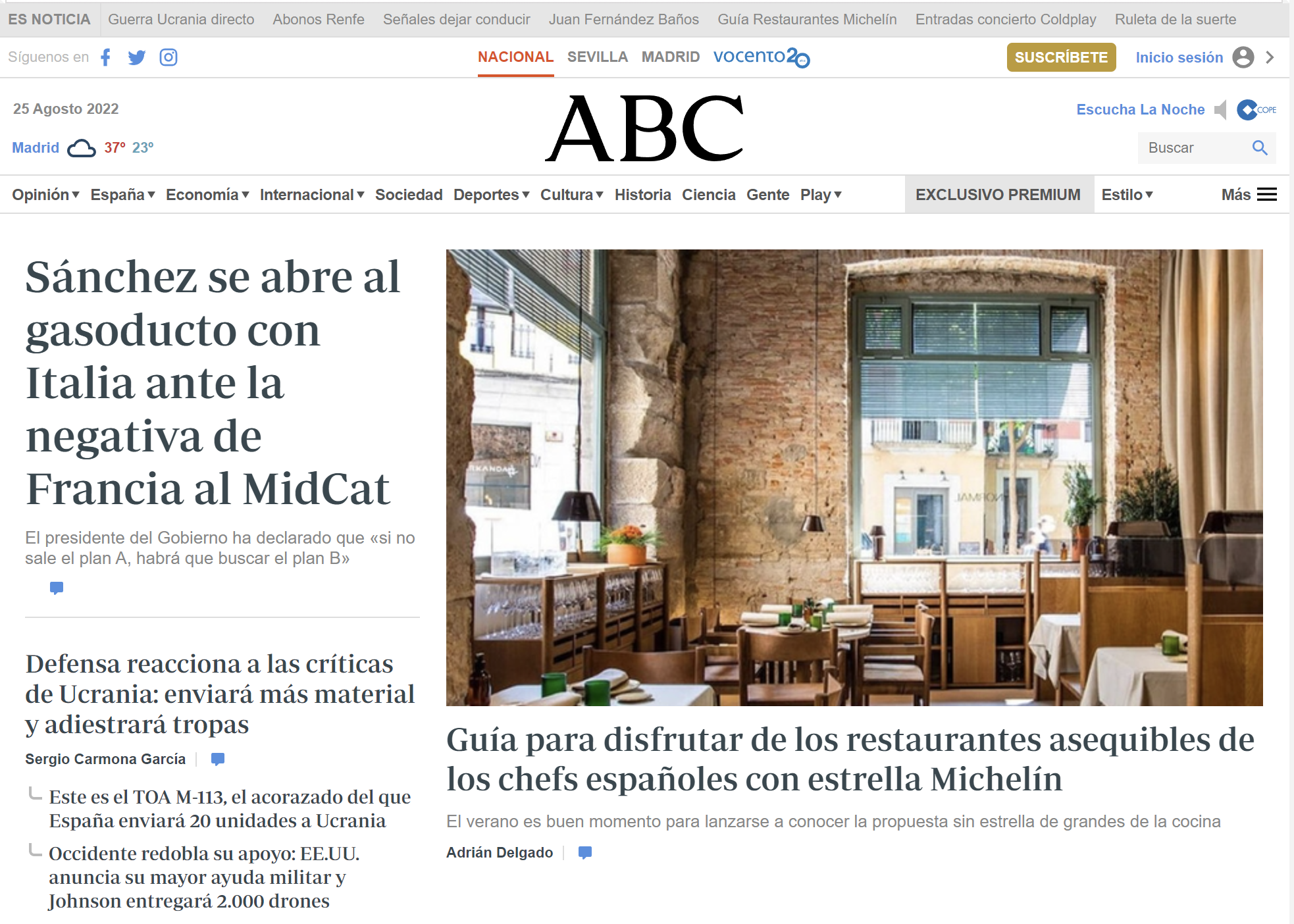
- ABC – A conservative daily that leans heavily on traditional values and cultural coverage.
- La Vanguardia – Based in Barcelona, it provides strong regional insight and a bilingual (Spanish/Catalan) edition.
- Clarín – Argentina’s leading newspaper, covering everything from Buenos Aires’ street art to national economic policy.
- El Universal – Mexico’s flagship paper, with extensive reporting on drug‑related violence and political reform.
Television and Radio: The Traditional Powerhouses
Even in the streaming era, TV and radio keep a firm grip on daily routines. In Spain, RTVE (Radio y Televisión Española) offers a public‑service perspective, while private giants like Antena 3 and Telecinco focus on entertainment‑driven news slots. Across the Atlantic, Mexico’s Televisa and TV Azteca dominate primetime bulletins, and in Argentina, Canal 13 and Todo Noticias are go‑to sources for breaking events. Radio stations such as Cadena SER and COPE remain essential for commuters who prefer audio updates during traffic jams.
Digital Platforms and Mobile Apps
If you’re on the move, digital newsrooms are the most convenient way to stay informed. Most major newspapers run responsive websites and dedicated apps that push notifications for breaking stories. For a broader sweep, aggregators like Google News (Español) and Flipboard let you customize feeds by country or topic. Social media platforms also double as news sources; Twitter’s “trending in Spain” column and Facebook’s local pages surface stories the moment they happen. Remember to verify the source, though—viral posts can blur the line between fact and speculation.
Understanding Regional Variations
Spain alone hosts a mosaic of regional identities, each with its own media outlets. In Catalonia, La Cascada and TV3 cover local politics in both Catalan and Spanish, often emphasizing autonomy debates. The Basque Country’s Deia and EITB focus on cultural preservation and economic issues specific to the region. Meanwhile, in Latin America, newsrooms adapt to local concerns: Chile’s El Mercurio leans toward business, while Peru’s El Comercio highlights indigenous rights and mining controversies. Recognizing these nuances helps you read stories with the right context.
Assessing Credibility and Bias
No media ecosystem is free from slant. Spanish‑language outlets tend to align along a spectrum from left‑leaning (e.g., El País) to right‑leaning (e.g., ABC). A quick way to gauge bias is to compare coverage of the same event across at least three sources. Look for loaded language, omission of key facts, or a disproportionate focus on certain angles. Fact‑checking sites such as Maldita .es in Spain and Chequeado in Argentina provide independent verification of viral claims.
Tips for Non‑Native Speakers
If Spanish isn’t your first language, don’t let that stop you from digging in. Start with bilingual outlets—many newspapers offer English sections or parallel articles. Use browser extensions that translate on the fly, but treat the translation as a rough guide rather than a final word. Listening to podcasts like Radio Latina or Notes from the Spanish Press can improve comprehension while you absorb the latest headlines. Finally, set a realistic routine: a 10‑minute morning scan and a deeper evening read keep you informed without overwhelming your schedule.
FAQ
What are the main Spanish news outlets I should follow?
In Spain, El País, El Mundo, and ABC cover national news; RTVE and Antena 3 dominate TV; Cadena SER leads in radio. In Latin America, Clarín (Argentina), El Universal (Mexico), and La Vanguardia (Spain) are reliable starting points.
How can I access Spanish news on my phone?
Download the official apps of your chosen newspapers or use news aggregators like Google News (Español). Many outlets also offer push notifications for breaking stories, and most have mobile‑friendly websites.
Is Spanish news generally biased?
All media have editorial leanings. Spanish‑language outlets range from left‑to‑right, so comparing multiple sources and consulting fact‑checking sites such as Maldita es or Chequeado helps you spot bias.
What’s the best way for beginners to improve comprehension?
Start with bilingual sections, use translation extensions sparingly, and listen to Spanish podcasts while following written articles. Consistent, short daily sessions are more effective than occasional long reads.


![How to Learn Spanish with News in Easy Spanish [Guide]](https://lingopie.com/blog/content/images/size/w600/2026/02/image-26.png)