How to Land Your Dream Online Financial Aid Advisor Job
Scrolling through endless listings can feel like searching for a needle in a haystack, especially when you’re aiming for a niche position like an online financial aid advisor. The good news? The market for remote financial aid support has expanded dramatically in recent years, and with the right strategy you can cut through the noise and find a role that matches both your expertise and lifestyle. Below, we’ll walk through the most effective ways to locate, apply for, and thrive in online financial aid advisor jobs.
Understanding What an Online Financial Aid Advisor Does
Before you dive into the job hunt, it helps to clarify the core responsibilities of the role. In a virtual setting, advisors typically:
- Guide students and families through federal, state, and institutional aid programs.
- Review and verify documentation submitted through online portals.
- Answer complex “what‑if” scenarios about eligibility, repayment, and scholarship opportunities.
- Collaborate with admissions, enrollment, and IT teams to keep the aid process smooth.
Because the work is remote, strong written communication and tech‑savvy are just as important as the financial knowledge you already have. Many institutions also expect advisors to be comfortable with CRM systems, video‑conference tools, and data‑privacy regulations.
Finding Online Financial Aid Advisor Jobs That Fit You
The first step is knowing where to look. While generic job boards list a handful of openings, niche platforms can dramatically improve the relevance of your search.
- Higher‑education career sites – Most universities maintain dedicated pages for remote staff positions.
- Specialty job boards such as HigherEdJobs, Chronicle of Higher Education, and EDUCAUSE often feature financial aid roles.
- Freelance marketplaces – If you prefer project‑based work, sites like Upwork and Fiverr have short‑term advising gigs.
- Professional associations – The National Association of Student Financial Aid Administrators (NASFAA) posts job listings to its members.
Set up email alerts with keywords like “remote financial aid advisor,” “virtual student aid specialist,” and “online financial aid counselor” to catch new postings the moment they appear.
Crafting a Standout Application
When you finally spot a promising posting, your application should do more than list duties—it needs to showcase how you’ll solve the institution’s specific challenges. Here are a few tactics:
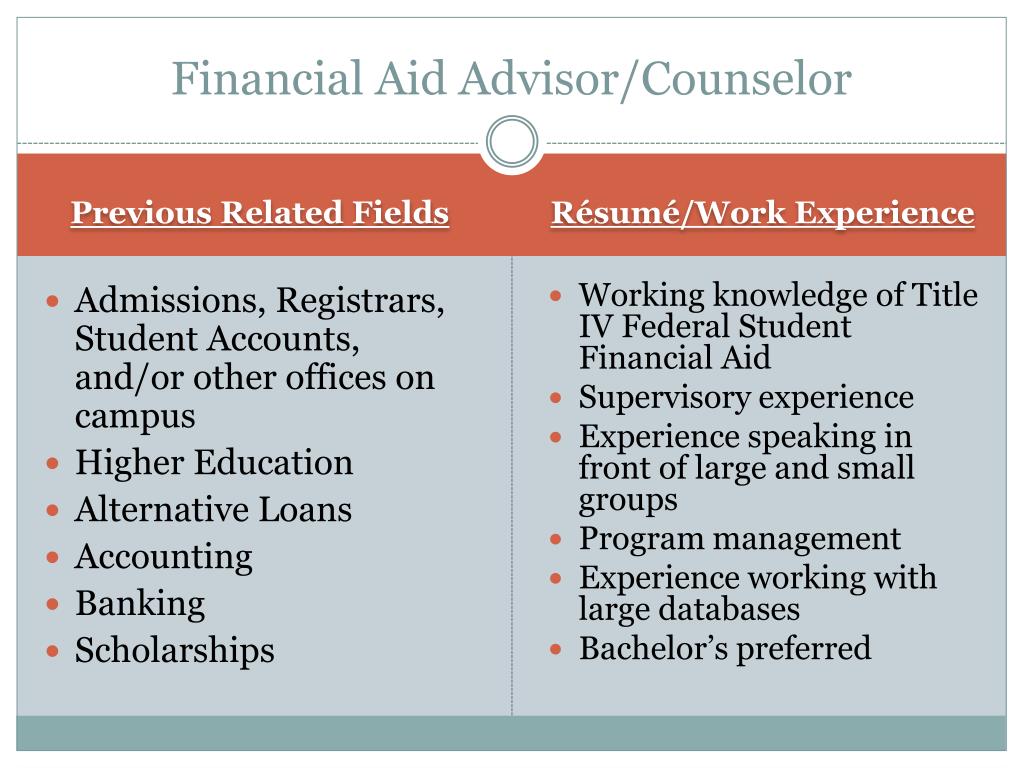
- Tailor your résumé – Mirror the language from the job description. If the posting emphasizes “compliance with Title IV,” make sure that phrase appears in your experience section.
- Write a concise cover letter – Open with a brief anecdote that illustrates your remote‑working success, then connect your skill set directly to the school’s mission.
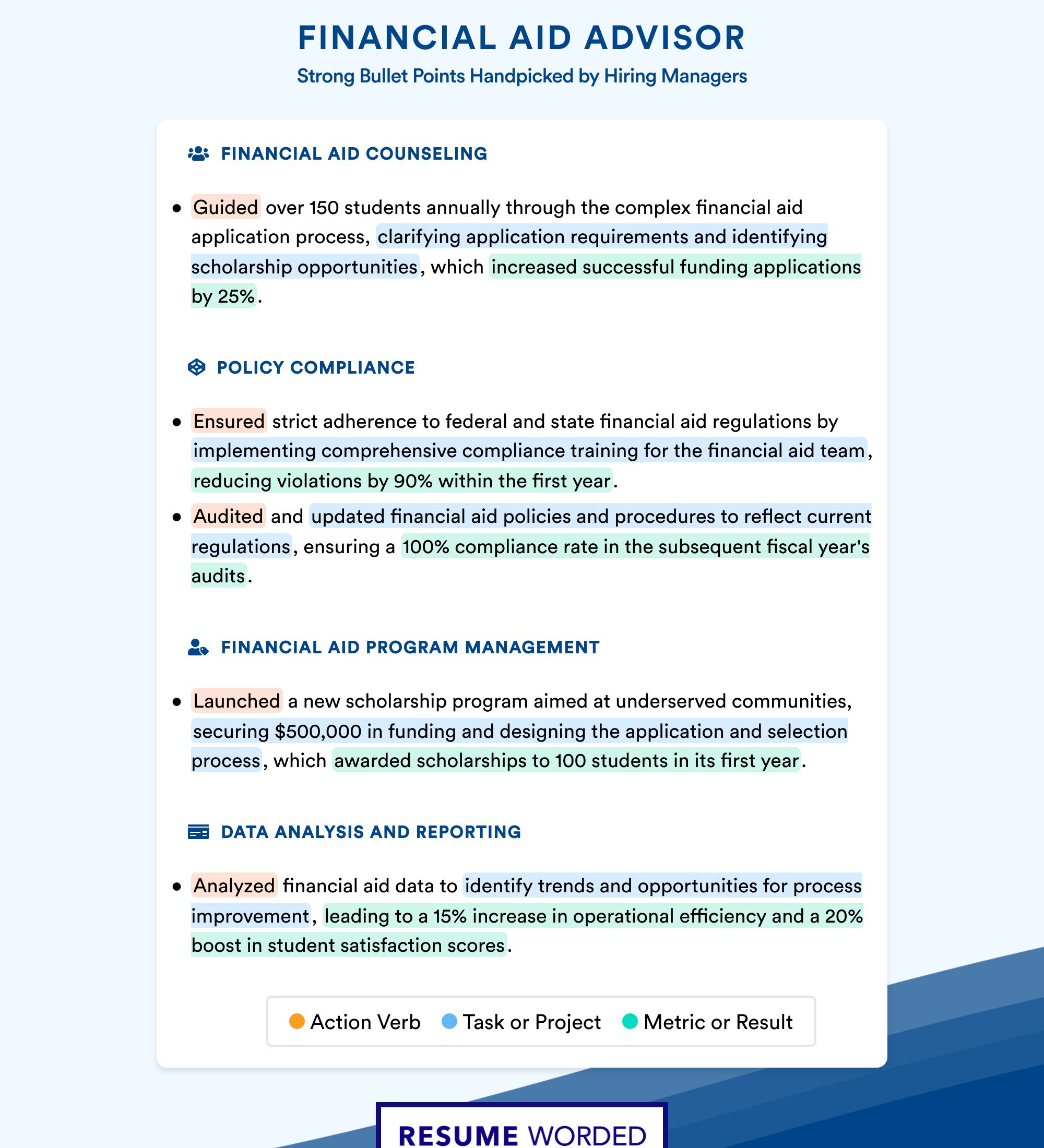
- Include quantifiable achievements – “Reduced processing time by 22 % through automated document checks” sounds far more compelling than “handled aid applications.”
- Show tech proficiency – List the platforms you’ve mastered (Ellucian Banner, PowerFAIDS, Salesforce, Zoom, etc.) and any certifications you hold.
Don’t forget a polished LinkedIn profile; many recruiters will cross‑reference it before reaching out.
Preparing for Virtual Interviews
Because the job is online, the interview will likely be video‑based. Treat it like any other in‑person meeting, but add a few extra layers of preparation.
- Test your tech – Ensure your webcam, microphone, and internet connection are reliable. Have a backup device ready, just in case.
- Create a professional backdrop – A tidy, neutral background minimizes distractions and signals that you take the role seriously.
- Practice scenario questions – Expect questions like “How would you explain the FAFSA process to a first‑generation student over a Zoom call?” or “Describe a time you identified a compliance risk remotely.”
- Prepare thoughtful questions – Ask about the institution’s remote‑work culture, the software stack they use, and how success is measured for online advisors.
Remember, confidence comes from demonstrating both your knowledge and your ability to convey it clearly through a screen.
Growing and Thriving Once You’re Hired
Landing the job is only the beginning. To truly make the role your dream position, focus on continuous improvement.
- Seek mentorship – Many schools have senior advisors who can share best practices for handling tricky cases.
- Stay current on regulations – Federal aid rules change frequently; subscribing to NASFAA newsletters or attending webinars keeps you ahead of the curve.
- Leverage data – Use analytics tools to identify patterns in student inquiries, then propose process tweaks that boost efficiency.
- Expand your skill set – Certifications in financial counseling or project management can open doors to leadership roles.
By positioning yourself as a proactive problem‑solver, you’ll not only excel in your current duties but also pave the way for advancement within the institution or across the higher‑education sector.
Frequently Asked Questions
What qualifications do most employers look for in an online financial aid advisor?
Typically, a bachelor’s degree in finance, education, or a related field is required, along with experience in student financial services. Certifications such as the Certified Financial Aid Administrator (CFAA) are a plus, especially for remote positions that emphasize compliance.
Can I work as an online financial aid advisor on a part‑time basis?
Yes, many colleges and universities hire part‑time or contract advisors to manage peak enrollment periods. Flexible schedules are common, but you’ll need to demonstrate reliable availability during the institution’s business hours.
How much can I expect to earn in a remote financial aid advisor role?
Salaries vary by region and institution, but the median annual pay for full‑time online advisors in the United States ranges from $45,000 to $60,000, with higher earnings possible in larger universities or specialized consulting firms.
What are the biggest challenges of working remotely in this field?
Maintaining clear communication across time zones, ensuring data security, and staying updated on ever‑changing aid regulations are common hurdles. Proactive planning and strong digital tools help mitigate these issues.