How to Locate Official U.S. Death Records: A Complete Guide
Whether you’re tracing family history, settling an estate, or verifying a legal matter, getting hold of an official U.S. death record can feel like navigating a maze. The paperwork is public, but each state has its own rules, fees, and processing times. Below you’ll find a straightforward roadmap that walks you from the basics of vital records to the nuances of death declarations, so you can request the right document without unnecessary back‑and‑forth.
Understanding Official U.S. Death Records
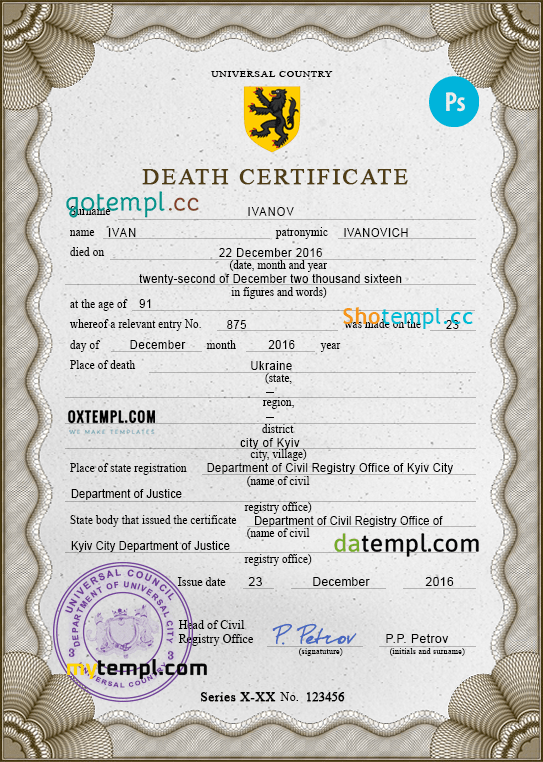
A death certificate is the core document issued by the state’s vital records office. It lists the decedent’s name, date and place of death, cause of death, and other demographic details. A death declaration, on the other hand, is a preliminary form filed by a medical examiner or coroner when a death occurs under unusual circumstances; it often serves as the basis for the final certificate.
Both records are considered official, but the level of access you’ll have depends on your relationship to the deceased and the state’s privacy laws.
Where to Start: State Vital Records Offices
Each of the 50 states (plus D.C.) maintains its own vital records repository. These offices are the primary source for certified copies of death certificates. Here’s how to approach them:
- Identify the correct state. Use the state where the death was recorded, not necessarily where the person lived.
- Check eligibility. Most states limit access to immediate family members, legal representatives, or anyone with a documented “legitimate purpose.”
- Gather required information. You’ll usually need the full name, date of death, and sometimes the Social Security number.
- Prepare for fees. Costs range from $10 to $30 per copy, plus shipping if you request by mail.
Many state offices now offer online request portals, which can shave days off the turnaround time.
County Clerk and Local Health Department Options
In some jurisdictions, especially in rural areas, the county clerk’s office or local health department may issue death certificates directly. This can be a quicker route if the state’s central office is backed up.
When you go local, bring a government‑issued photo ID and be ready to sign an affidavit confirming your eligibility. Some counties also allow walk‑in requests, though you may still need to wait for processing.
What to Expect from County Requests
- Shorter processing (often 3‑5 business days).
- Potentially lower fees, but limited to residents of that county.
- Less robust online services; you may need to call or visit in person.
National Resources: The National Center for Health Statistics (NCHS)
If you need a death record for statistical or research purposes, the NCHS provides a searchable database called the Vital Statistics Online. While you can’t obtain a certified copy directly, you can verify that a death was recorded and obtain basic details such as year, state, and cause of death.
The NCHS also publishes the Multiple Cause of Death Files, which are useful for public health researchers but not for legal documentation.
Using Third‑Party Genealogy Websites
Websites like Ancestry.com, FamilySearch.org, and MyHeritage aggregate millions of death records, many of which are scanned copies of original certificates. These platforms are particularly handy for older deaths (typically pre‑1970) that are already in the public domain.
Keep in mind:
- Not every record is a certified copy; some are transcriptions that may contain errors.
- Access usually requires a subscription, though FamilySearch offers free accounts.
- Privacy restrictions still apply for deaths that occurred within the last 50 years in most states.
Key Documents You Might Encounter
When searching, you may come across several variants of the death record. Knowing the difference can save you time:
- Certified Copy: Official, embossed, and suitable for legal proceedings.
- Informational Copy: Lacks the embossing and seal; often used for genealogical research.
- Transcribed Record: A typed summary, typically found in online databases.
- Death Declaration (Pre‑Certificate): Filed by a coroner; may be required for certain investigations.
Tips for a Smooth Request
Even a well‑prepared request can hit snags if you overlook small details. Here are some practical pointers:
- Double‑check spelling. A single typo in the name can delay processing.
- Include a clear purpose. State “probate,” “insurance claim,” or “genealogical research” to satisfy eligibility checks.
- Provide a self‑addressed stamped envelope. Some offices still rely on mail‑in requests and will return the document faster if you cover postage.
- Consider expedited service. Many states charge an extra $15‑$25 for rush processing, cutting delivery time to 1‑2 days.
Common Pitfalls and How to Avoid Them
Even seasoned researchers stumble over a few recurring issues:
- Assuming nationwide access. Privacy laws vary; a death in California may be off‑limits to non‑family, while Texas is more permissive.
- Mixing up death certificates and burial permits. The latter is issued by the funeral home and does not replace the official death record.
- Overlooking alternate spellings. Immigrants often changed surnames; try phonetic variations if the first search comes up empty.
Frequently Asked Questions
Can I obtain a death certificate if I’m not a family member?
Yes, but you must demonstrate a legitimate purpose, such as settling an estate, conducting academic research, or handling insurance matters. Each state’s definition of “legitimate purpose” differs, so check the specific agency’s guidelines.
How long does it take to receive a certified copy?
Standard processing usually ranges from 5 to 14 business days for mail‑in requests. Expedited services can reduce that to 1‑3 days, depending on the state.
Are death records publicly available after a certain number of years?
Most states make death records public after 50 years, though some reduce the waiting period to 30 years for older records. Exceptions exist for deaths involving criminal investigations or where the decedent’s next of kin requests continued privacy.
Do I need the decedent’s Social Security number?
It’s often helpful but not always required. If you lack the SSN, providing the date of birth, exact death date, and place of death usually satisfies most agencies.