How to Master Follow‑Ups in Indonesia: A Practical Guide
When you’re trying to seal a deal, confirm a meeting, or simply keep the conversation alive, the art of the follow‑up can make or break the outcome—especially in Indonesia’s nuanced business landscape. This guide to following up in Indonesia walks you through cultural cues, timing tricks, and communication channels that respect local etiquette while still moving your agenda forward.
Understanding the Indonesian Business Rhythm
Indonesia’s business culture blends hierarchical respect with a strong emphasis on personal relationships. Decisions often travel up a chain of command, meaning you might hear “I’ll get back to you” more than a firm “yes” or “no.” Recognizing this rhythm helps you gauge when a gentle nudge is appropriate versus when patience will earn you more credibility.
Choosing the Right Communication Channel
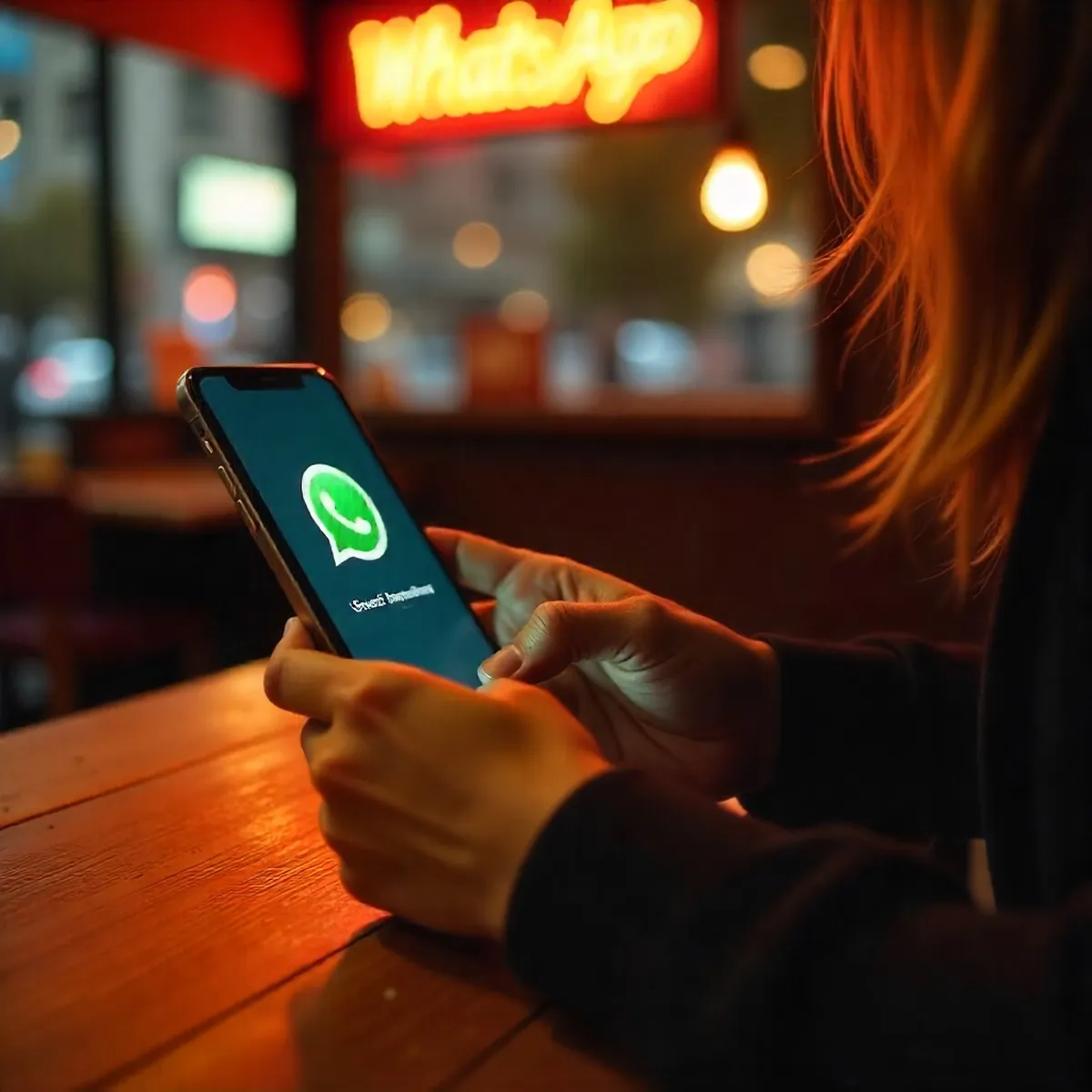
While email remains standard, many professionals rely heavily on messaging apps like WhatsApp and LINE for quick updates. A brief, polite message after a meeting can feel more personal than a formal email, but be mindful of the time of day—sending messages after 9 p.m. is generally frowned upon.
- Email: Ideal for detailed summaries and formal confirmations.
- WhatsApp/LINE: Perfect for brief check‑ins or sharing a quick document.
- Phone call: Use sparingly; a short call can demonstrate urgency, but only after an initial written follow‑up.
Timing Your Follow‑Up: When is “Soon Enough”?
In Indonesia, a week can feel like a month if you’re waiting on a response. A good rule of thumb is to wait 3–5 business days after a meeting before sending a polite reminder. If you’ve already promised a timeline—say, a proposal due in two weeks—touch base a day before the deadline to reaffirm your commitment.
Crafting the Message: Tone and Content
Start with a warm greeting that acknowledges the person’s wellbeing; “I hope you’re doing well” or “Selamat pagi” (good morning) can set a friendly tone. Then, briefly recap the key point of your previous interaction—this shows you value their time and remember the details. Finally, include a clear call‑to‑action, whether you’re asking for feedback, a signed contract, or a convenient time to talk.
Example:
Subject: Quick Follow‑Up on Our Proposal – ABC Project
Hi Budi,
I hope you’re having a great week. Thank you again for the productive discussion on Thursday regarding the ABC Project. As we agreed, I’ve attached the revised proposal for your review. Could you let me know if there are any adjustments needed before we move forward?
Best regards,
[Your Name]
Respecting Hierarchy Without Overstepping
If your contact is a middle manager, they may need to loop in senior leadership before responding. In such cases, address the manager directly but copy the senior stakeholder if they were mentioned. This signals transparency without bypassing the chain of command.
Dealing with Delays Gracefully
Should a reply take longer than expected, a second follow‑up can be framed as a friendly check‑in rather than a pushy reminder. Acknowledge possible busyness and offer assistance: “I understand you have a lot on your plate; please let me know if I can provide any additional information.”
Common Mistakes to Avoid
- Sending overly frequent messages—this can be seen as impatient.
- Using overly formal language that feels stiff; a touch of informality is appreciated.
- Neglecting to personalize the follow‑up; generic “Dear Sir/Madam” often goes unnoticed.
- Forgetting to thank the recipient for their time; gratitude goes a long way.
When to Switch to a Face‑to‑Face Meeting
If after two written follow‑ups you still haven’t received a definitive answer, suggest a brief in‑person coffee or video call. Face‑to‑face interactions are highly valued in Indonesian culture and can clear up misunderstandings that linger in written exchanges.
Adapting to Regional Variations
Indonesia is an archipelago of diverse cultures. In Jakarta’s corporate environment, a faster pace and more direct communication are common. Meanwhile, in smaller cities like Surabaya or Bandung, relationships may develop more slowly, and a softer approach works better. Adjust your follow‑up cadence accordingly.
Key Takeaways
Mastering follow‑ups in Indonesia isn’t about strict scripts; it’s about balancing respect, timing, and clarity. By choosing the right channel, framing a courteous message, and honoring the local hierarchy, you’ll keep conversations moving forward without stepping on cultural toes.
FAQ
Q: How many days should I wait before sending my first follow‑up after a meeting?
A: Aim for 3–5 business days. This shows attentiveness without seeming pushy.
Q: Is it appropriate to call a contact directly if they haven’t replied to my email?
A: A short call can be effective after you’ve sent one written follow‑up. Keep it brief and polite, and only call during normal business hours.
Q: Should I use Bahasa Indonesia in my follow‑up messages?
A: If you know the recipient is comfortable with Bahasa, a greeting or brief phrase can build rapport. However, English remains acceptable in most professional settings, especially in multinational companies.