How to Master Incident Command: A Complete ICS Training Guide
Whether you’re a fire chief, emergency manager, or a corporate safety officer, mastering incident command is essential for coordinating complex responses. The Incident Command System (ICS) offers a standardized, flexible framework that keeps teams aligned under pressure. This guide walks you through the fundamentals of ICS, explains why formal training matters, and maps out a clear path from beginner to certified practitioner.
What Is the Incident Command System?
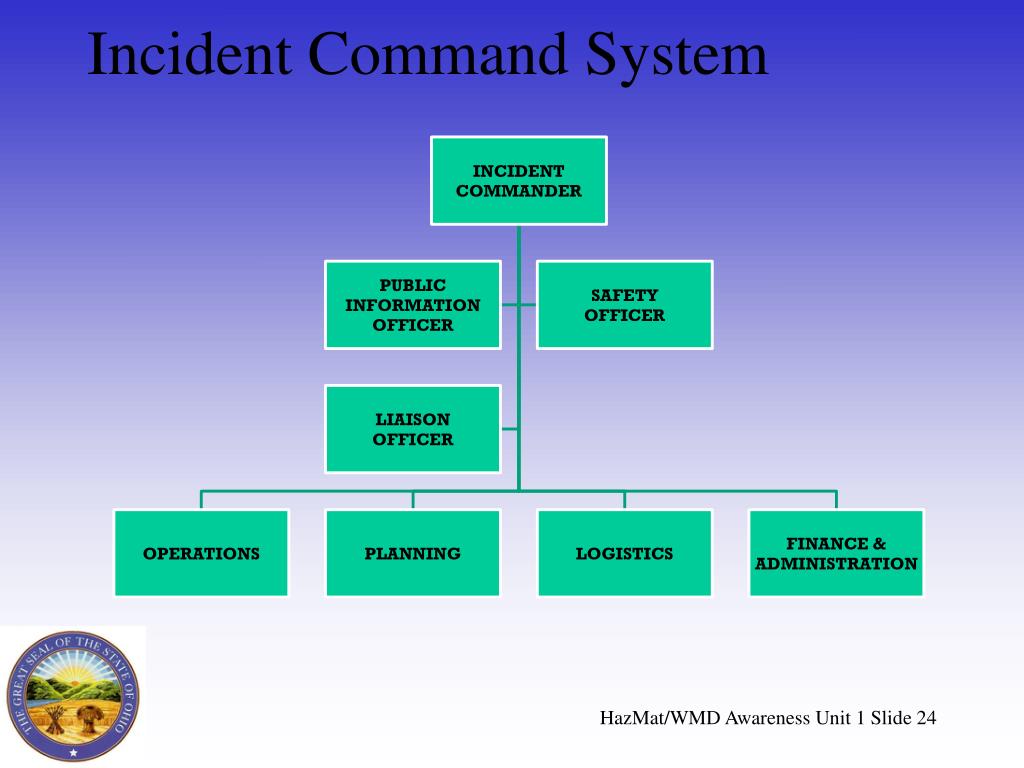
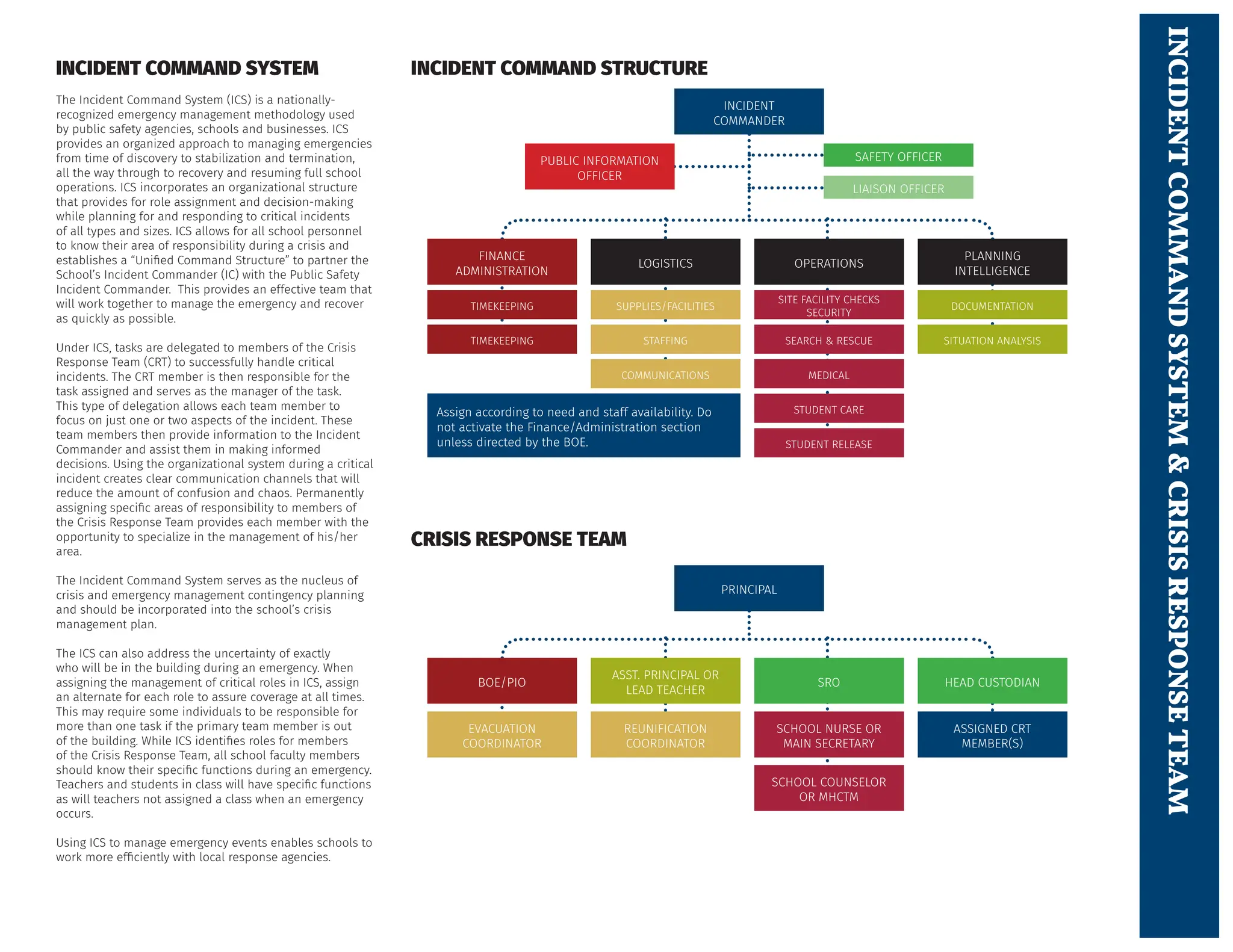
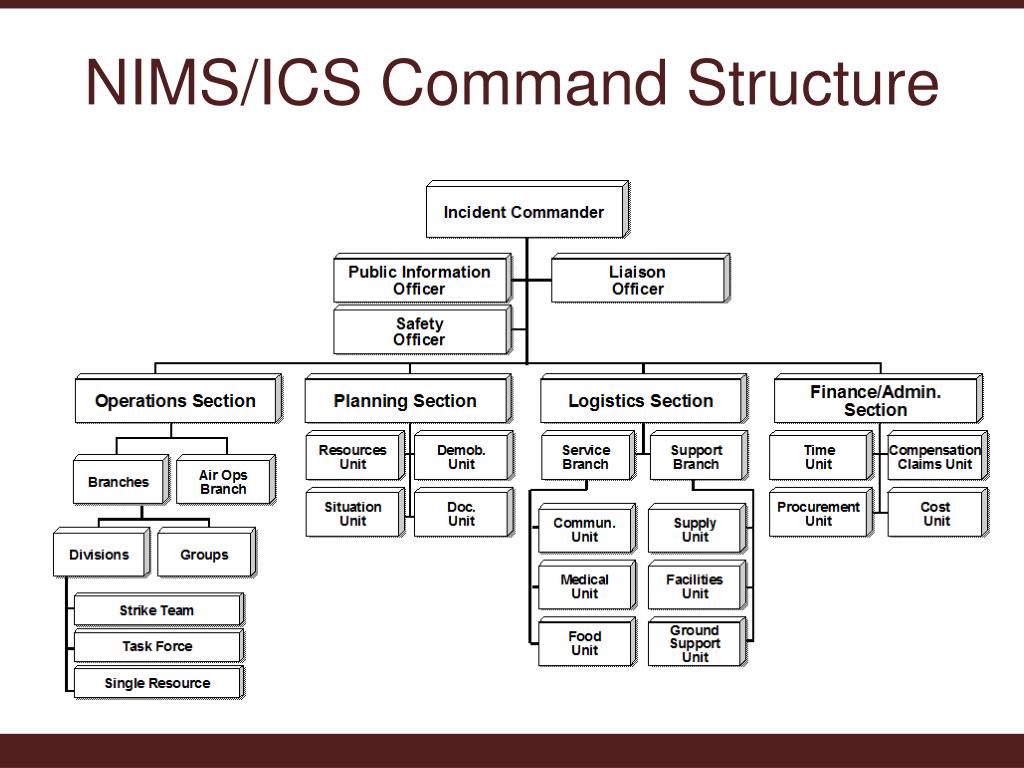
ICS is a modular management structure originally developed by the U.S. fire services in the 1970s. It breaks down a chaotic event into manageable sections—command, operations, planning, logistics, and finance/administration—each with defined roles and responsibilities. Because the system is scalable, it works for a small brush fire just as well as for a multi‑agency response to a natural disaster.
Why Formal Training Matters
On paper, the principles of ICS are simple, but real‑world incidents reveal subtle nuances that only experience can teach. Structured courses provide:
- Hands‑on simulations that mimic the stress of an actual emergency.
- Clear explanations of terminology—like incident action plan and span of control—that prevent miscommunication.
- Credentials recognized by agencies such as FEMA, NIMS, and many state emergency management offices.
Without that foundation, even seasoned responders can fall into the same traps that undermine coordination.
Core Modules of an Effective ICS Course
- Fundamentals of Command and Unity of Effort – Establishes the chain of command and the principle that all participants work toward a single objective.
- Organizational Structure and Roles – Details the responsibilities of Incident Commander, Section Chiefs, and supporting staff.
- Incident Action Planning – Teaches how to develop, communicate, and revise a tactical plan every operational period.
- Resource Management – Covers tracking, allocation, and demobilization of personnel, equipment, and supplies.
- Safety and Risk Assessment – Emphasizes hazard identification, mitigation strategies, and the role of the Safety Officer.
- Multi‑Agency Coordination – Prepares you to integrate outside agencies, NGOs, and private sector partners.
Step‑by‑Step Path to Certification
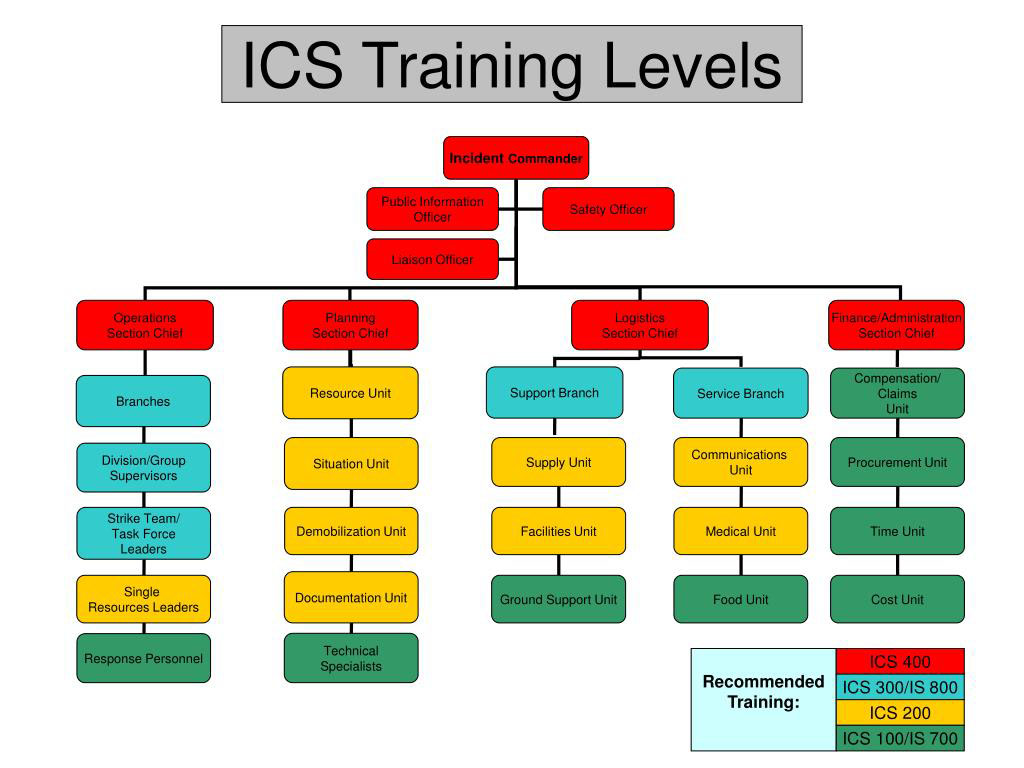
- Start with the Basics: Enroll in an introductory “ICS 100” course, often available online for free or through local emergency management offices.
- Build on Core Knowledge: Complete “ICS 200” and “ICS 300”, which introduce more complex scenarios and larger organizational structures.
- Specialize as Needed: If you’ll be handling hazardous materials, consider “ICS 400” or a dedicated HAZMAT module.
- Participate in Live Drills: Many training providers pair classroom work with field exercises—an invaluable opportunity to practice under realistic conditions.
- Pass the Assessment: Most certification programs require a written exam and a practical evaluation; aim for a score of 80% or higher to demonstrate competence.
- Maintain Your Credentials: Renew certifications every few years by attending refresher workshops or completing online modules.
Practical Tips for Retaining What You Learn
- Keep a one‑page cheat sheet of key acronyms (e.g., ICS, NIMS, SOP) and refer to it during drills.
- After each exercise, debrief with your team and note what worked and what didn’t—learning from mistakes cements the concepts.
- Volunteer for a support role in a local emergency response team; real‑world exposure reinforces classroom theory.
- Use scenario‑building software or tabletop games to rehearse decision‑making without the pressure of an actual incident.
Common Pitfalls and How to Avoid Them
Even seasoned responders can stumble. A frequent mistake is expanding the span of control—trying to supervise too many individuals at once, which dilutes oversight and slows communication. To stay within the recommended 5‑7 personnel per supervisor, delegate tasks to section chiefs early and trust the chain of command. Another trap is neglecting the incident action plan; always ensure it’s updated, distributed, and reviewed before each operational period.
Choosing the Right Training Provider
Not all courses are created equal. Look for providers that:
- Are accredited by the National Incident Management System (NIMS) or a comparable body.
- Offer a blend of online theory and in‑person simulations.
- Provide post‑course support, such as access to an alumni forum or refresher webinars.
- Have positive reviews from professionals in your sector—fire, law enforcement, healthcare, or industrial safety.
Investing in a reputable program pays dividends when real incidents demand swift, coordinated action.
Frequently Asked Questions
What’s the difference between ICS and NIMS?
ICS is the on‑scene management structure, while NIMS (National Incident Management System) is the broader framework that includes policies, training standards, and resource typing. Think of NIMS as the rulebook and ICS as the playbook you follow during an event.
Do I need a certification to use ICS in my organization?
Formal certification isn’t legally required for private companies, but many agencies and contractors mandate it for interoperability. Certified personnel can more easily integrate with public‑sector responders, which enhances overall safety.
How long does it take to become fully proficient?
Proficiency varies with experience. Completing the core “ICS 100‑300” series typically takes a few weeks of study, but mastering the system in real‑world conditions often requires years of participation in drills and actual incidents.
Can I train remotely, or do I need to attend a classroom?
Most foundational modules are now available online and meet the same competency standards as classroom courses. However, hands‑on drills are essential for skill retention, so a hybrid approach is ideal.