How to Master the Steering Wheel for Comfortable Long Drives
Why Steering Technique Matters on the Road
When you’re behind the wheel for several hours, the way you handle the steering can turn a pleasant journey into a tiring ordeal. Subtle adjustments in grip, posture, and input pressure keep your arms from cramping, your eyes from straining, and the car from wandering off its lane. In short, mastering the steering wheel isn’t just about control—it’s a cornerstone of driver comfort on long drives.
Set Up Your Seat and Wheel Before You Hit the Highway
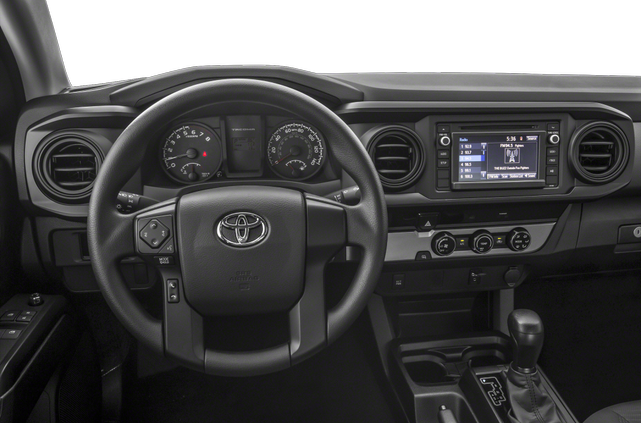
A good driving position starts long before you turn the ignition. Sit upright with your hips touching the seat back, knees slightly bent, and your feet able to reach the pedals without stretching. Adjust the seat forward or back until you can place your hands on the wheel with a relaxed elbow angle of about 120 degrees. The steering wheel itself should be within easy reach; tilt it so your wrists rest lightly on the rim when your hands are at the “9‑and‑3” positions.
- Seat height: Aim for a view where the horizon sits just above the windshield’s midpoint.
- Backrest angle: A slight recline (100‑110°) reduces lower‑back pressure.
- Steering column: If your car offers telescoping or tilt, use it to align the wheel with your natural arm length.
Hand Positions That Reduce Fatigue on Long Drives
Classic “9‑and‑3” vs. Modern Recommendations
The traditional “9‑and‑3” grip—hands placed at the 9 o’clock and 3 o’clock positions—has long been championed for its balance and control. Recent safety studies, however, suggest a slightly lower grip, around “8‑and‑4,” which gives better leverage in emergency maneuvers and reduces shoulder strain during prolonged steering.
Whatever you choose, keep your thumbs resting along the rim rather than gripping the spokes. This placement prevents the thumbs from slipping into the airbag compartment and lets you apply smooth, incremental corrections.
Gentle Steering Inputs for Smooth Control
Large, jerky turns waste energy and tire grip. Instead, aim for micro‑adjustments: a small wrist twist or a light elbow nudge can keep the car centered without over‑steering. On highways, let the vehicle’s power‑assist do most of the work; your job is to guide, not push.
If you encounter a curve, initiate the turn early, then relax the grip as the car follows the path. This “release‑and‑steer” technique keeps the steering wheel from fighting back, which otherwise can cause arm fatigue.
Managing Fatigue and Staying Focused
Even the best steering habits can’t compensate for a tired brain. Schedule a 15‑minute break every two hours, stretch your limbs, and hydrate. Simple eye exercises—like focusing on a distant object for 20 seconds—help reset visual fatigue.
When you feel drowsy, resist the urge to power‑through. Pull over safely, take a short walk, or switch drivers if possible. A clear mind translates directly into smoother steering inputs.
Using Vehicle Aids Wisely
Modern cars come equipped with lane‑keep assist, adaptive cruise control, and steering‑assist features. These tools can lighten your workload, but they’re not a substitute for active steering. Keep your hands on the wheel and stay engaged; intervene promptly if the system misreads a lane marking or fails to react to sudden traffic.
Turn off steering‑assist modes on winding roads where manual control offers better feedback. Knowing when to rely on technology—and when to trust your own inputs—keeps the drive both safe and comfortable.
Common Mistakes and How to Fix Them
- Claw grip: Fingers wrapped tightly around the spokes cause rapid fatigue. Switch to the rim‑thumb method described earlier.
- Over‑reaching: Sitting too far back forces your arms to extend, leading to shoulder strain. Adjust the seat forward until your elbows are comfortably bent.
- Constant corrective steering: Over‑correcting a slight drift creates a “wiggle” that tires the muscles. Focus on smooth, anticipatory inputs instead.
- Neglecting breaks: Even the best grip won’t prevent fatigue if you ignore the body’s need for rest. Set a timer for regular stops.
Quick Checklist Before Every Long Trip
- Seat positioned for a slight recline and hips against the back.
- Steering wheel tilted so wrists rest lightly on the rim.
- Hands placed at 8‑and‑4 (or 9‑and‑3) with thumbs along the edge.
- Mirrors adjusted for minimal head movement.
- Vehicle aids enabled but ready to be overridden.
- Plan rest stops every 2 hours; pack water and light snacks.
FAQs
- What is the safest hand position for highway driving? A relaxed “8‑and‑4” grip offers the best combination of control and comfort, especially on long, straight stretches.
- How often should I take breaks on a 500‑mile drive? Aim for a 15‑minute pause every two hours. This rhythm helps maintain alertness and reduces muscle fatigue.
- Can lane‑keep assist replace my need to steer? No. It’s a supplemental tool; you should keep both hands on the wheel and be prepared to intervene at any moment.
- Is it okay to drive with one hand on the wheel? Only for very short periods, such as when adjusting controls. Consistent one‑hand driving increases strain and reduces reaction speed.