How to Pick and Replace Transmission Fluid in a 2009 Ford Explorer
When it comes to the 2009 Ford Explorer transmission fluid, many owners aren’t sure whether they need a simple top‑off or a full flush, which fluid type is correct, or how often the service should be performed. Getting the right fluid and keeping the level healthy can mean the difference between smooth shifts and costly repairs. Below, we walk through the basics of fluid selection, the signs that a change is due, and a step‑by‑step guide to doing the job yourself.
What Fluid Does a 2009 Explorer Require?
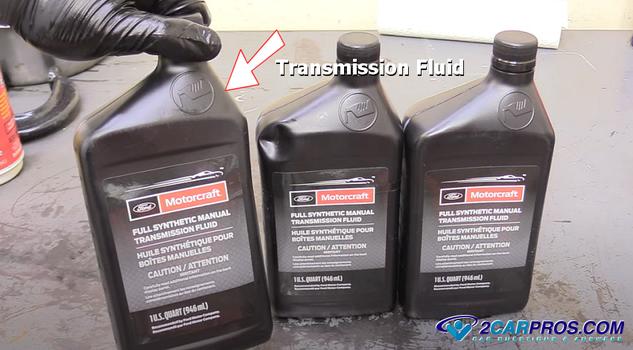
Ford’s official recommendation for the 2009 Explorer equipped with the 6‑speed automatic (the 6F50 transmission) is Mercon LV. This low‑viscosity fluid is formulated to handle the transmission’s higher gearing while protecting seals and clutches. Because Mercon LV shares a similar chemistry with Dexron VI, many mechanics consider Dexron VI an acceptable substitute—just be sure the label reads “compatible with Mercon LV.”
If your Explorer has the older 5‑speed automatic (the 5R55), the spec calls for Mercon V. Using the wrong fluid can lead to slipping, harsh shifts, or even premature wear, so double‑check the transmission model before buying.
How Often Should You Change It?
Ford lists a “maintenance‑free” interval for many newer transmissions, but real‑world experience tells a different story. Most owners find a fluid change every 60,000–75,000 miles (or every 4–5 years) keeps the shift quality crisp. If you tow regularly, drive in severe heat, or notice delayed shifts, moving the interval up to 40,000 miles is a safe bet.
Besides mileage, keep an eye on these warning signs:
- Dark, burnt‑smelling fluid
- Metallic particles floating in the pan
- Slipping or hard‑shifting gears
- Transmission warning light on the dash
Any of these symptoms merit an immediate fluid inspection.
Gathering the Right Tools
Before you roll up your sleeves, make sure you have the following:
- Correct fluid (Mercon LV or Dexron VI compatible)
- New transmission filter (if applicable)
- Drain pan large enough for 8–10 quarts
- Torque wrench and socket set (typically 14 mm for the pan bolts)
- Clean rags and a funnel
- Jack stands or a hydraulic lift
Having everything on hand prevents interruptions once the vehicle is raised and the pan is removed.
Step‑by‑Step Fluid Replacement
1. Warm Up the Transmission
Drive the Explorer for about 10 minutes or let it idle until the engine reaches normal operating temperature. Warm fluid flows out more easily, reducing the amount left in the system.
2. Lift the Vehicle Safely
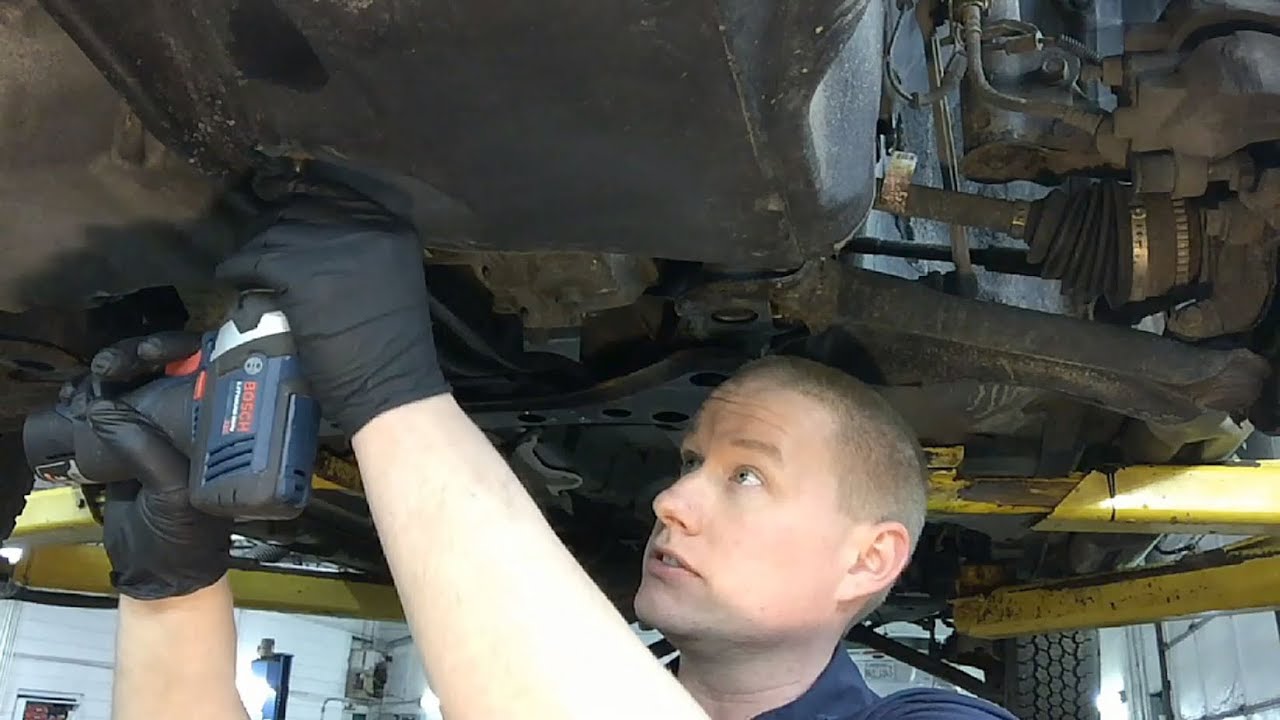
Place the Explorer on a flat surface, engage the parking brake, and raise the front end with a jack. Secure it with jack stands. Never rely on the jack alone.
3. Locate and Remove the Drain Plug
Under the transmission sits a small drain plug—usually 14 mm. Position your drain pan, then unscrew the plug. Expect 7–9 quarts to flow out; let it completely drain.
4. Replace the Filter (if equipped)
Many 2009 Explorers use a replaceable filter inside the pan. Remove the pan bolts, pull the pan away, and swap the old filter for a new one. Clean the pan surface before reinstalling.
5. Reinstall the Pan and Plug
Tighten the pan bolts in a criss‑cross pattern to the manufacturer’s torque spec—typically around 8 lb‑ft. Replace the drain plug and give it a final snug.
6. Fill with Fresh Fluid
Locate the transmission dipstick (often near the engine’s side). Insert a funnel into the dipstick tube and pour the recommended amount of Mercon LV—about 7.5 quarts for the 6‑speed automatic. Do not overfill.
7. Check the Level
Start the engine, let it idle, and shift through all gears (P‑R‑N‑D‑2‑3‑4‑5‑6‑R) for a few seconds each. Then, with the car still on level ground and the engine at normal temperature, pull the dipstick, wipe it clean, reinsert, and read the level. It should sit between the “Full” and “Add” marks. Add fluid a little at a time if needed.
8. Lower the Vehicle and Test Drive
Remove the jack stands, lower the Explorer, and take it for a short drive. Pay attention to shift smoothness and listen for any unusual noises. Re‑check the fluid level after the drive and adjust if necessary.
Common Mistakes to Avoid
Using the Wrong Fluid. Mixing Mercon LV with Dexron VI is generally okay, but blending with ATF+4 or other non‑compatible fluids can cause seal degradation.
Over‑filling. Too much fluid creates excessive pressure, leading to leaks or foaming, which reduces lubrication efficiency.
Skipping the Filter. The filter catches metal shavings and debris. Replacing it each service prolongs transmission life.
Neglecting the Cool‑down Period. Checking the level while the transmission is still hot can give a false reading. Always allow a few minutes for the fluid to settle after the test drive.
When to Call a Professional
If you encounter any of the following, it’s best to let a certified mechanic take over:
- Persistent slipping after a fluid change
- Transmission fluid leaks that continue after reinstalling the pan
- Unusual whining or grinding noises
- Diagnostic trouble codes (DTCs) related to the transmission
Professional shops have pressurized flushing equipment that can extract fluid from hard‑to‑reach passages, something a DIY drain can’t fully accomplish.
Quick FAQ
Q: Can I use synthetic ATF instead of Mercon LV?
A: Synthetic fluids labeled “Mercon LV compatible” are safe, but a non‑labeled synthetic may not meet Ford’s specifications and could void warranty coverage.
Q: How do I know if my Explorer has a 6‑speed or 5‑speed automatic?
A: Check the VIN‑decoder or look for the transmission tag under the vehicle. The 6‑speed uses a 6F50, while the 5‑speed carries a 5R55 designation.
Q: Is a transmission flush necessary after changing the fluid?
A: A flush isn’t mandatory if you replace the fluid and filter correctly. However, if the old fluid is heavily contaminated, a professional flush can help remove residual particles.