How to Read Benchrest Wind Flags for Better Shots
When you’re zeroing in on that perfect 10‑X group, the wind becomes the invisible opponent you can’t afford to ignore. That’s why benchrest wind flags—those simple pieces of fabric fluttering on a pole—are a staple on most serious ranges. In this guide we’ll walk through what these flags are, how to set them up, and the subtle cues they give you to keep your shots on target.
What Are Benchrest Wind Flags?
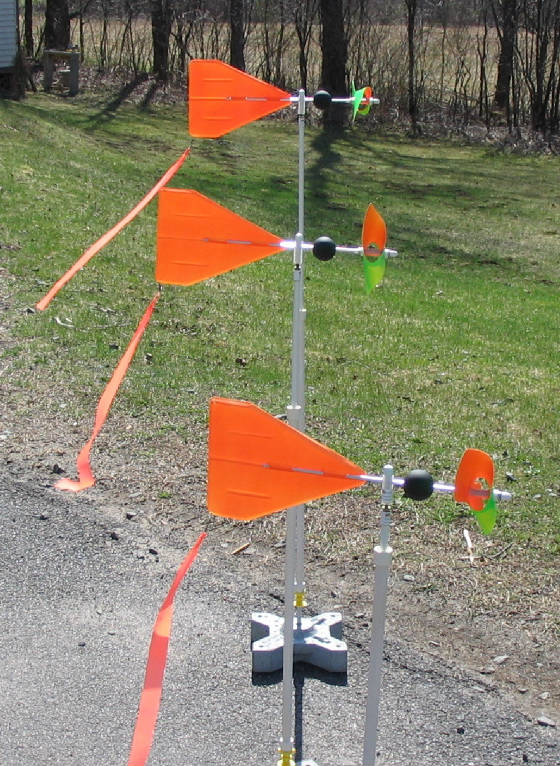
At their core, benchrest wind flags are just lightweight markers that respond visibly to airflow. They’re usually made from a bright cloth or ribbon attached to a sturdy pole placed a few yards uprange from the shooting bench. Because the flag’s movement mirrors the wind that will reach your bullet, they become a low‑tech, real‑time wind gauge.
Why Wind Matters in Benchrest Shooting
Benchrest shooting is all about minimizing external variables. Even a mild breeze—say, 2–3 mph—can nudge a bullet off course enough to turn a perfect group into a scattered mess. Knowing the wind’s direction and speed allows you to make precise adjustments to your hold or your scope’s windage, often the difference between a 5‑X and a 10‑X group.
Types of Wind Flags Commonly Used
Simple Cloth Flags
These are the classic rectangular pieces of fabric, often in high‑visibility colors like orange or neon yellow. They’re cheap, easy to replace, and give a clear visual cue of wind direction.
Ribbon Flags
Ribbons add a bit of elegance and can be more sensitive to lighter breezes. A long, thin ribbon will flutter more readily than a heavy cloth, making it useful on especially calm days.
Flag Poles and Placement
Most shooters use a 3‑ to 5‑foot pole made of aluminum or wood. Position the pole at least 10–15 yards uprange, directly in line with your target, and keep it upright. Some even set a second flag further downrange to compare wind changes over distance.
How to Interpret Flag Movement
Reading a flag is part art, part science. Start by noting the flag’s angle relative to the pole. If the cloth leans away from the pole, the wind is coming from the opposite side. A flag that’s nearly horizontal indicates a head‑to‑tail wind, while a flag angled sharply sideways suggests a crosswind.
Speed is trickier, but there are a few tricks. A flag that snaps back quickly after a gust usually means the wind is gusty but not sustained. If the flag sways slowly and steadily, you’re dealing with a consistent breeze. Some shooters use a small piece of string tied to the flag’s tip; the amount of sway per second can be roughly correlated to mph, though it’s more of a feel than a precise measurement.
Tips for Setting Up Your Flag System
- Choose the right height. A flag that’s too low may sit in a wind shadow created by the bench or the shooter’s body.
- Use bright colors. High‑visibility fabrics make it easier to spot subtle movements, especially in low‑light conditions.
- Secure the pole. A loose pole can wobble independently of the wind, sending misleading signals.
- Consider a double‑flag setup. Placing a second flag 30–40 yards further downrange lets you see how the wind evolves, which is valuable on longer courses.
- Practice reading. Spend a few minutes before each session just watching the flags, noting how they respond to natural changes. This builds a mental library of wind patterns you can draw on during actual shooting.
Common Mistakes to Avoid
Ignoring wind shadows. The shooter’s own body, the bench, or even nearby trees can create pockets of calm. Position the flag far enough away to stay out of these zones.
Relying on a single flag. Wind can shift dramatically over short distances. A single flag may give a false sense of consistency.
Over‑adjusting. It’s tempting to make big windage changes based on a flag’s dramatic flutter, but remember that the flag reacts to wind at its own location, not exactly where your bullet will travel. Small, incremental adjustments usually yield better results.
Putting It All Together
On a typical benchrest day, start by setting up a bright cloth flag about 12 yards uprange. Observe its position for a minute, note the angle, and decide whether you’re facing a headwind, tailwind, or crosswind. Make a modest windage adjustment, fire a few practice shots, then re‑check the flag. If the flag’s behavior has changed, fine‑tune your hold again. Over time you’ll develop a rhythm that lets you translate flag movement into precise dial‑ins without overthinking each shot.
FAQ
Do I need a special flag for different wind conditions?
Not necessarily. A sturdy cloth flag works well in most situations, but adding a lightweight ribbon can help you sense lighter breezes on calm days.
How far should the flag be from my shooting bench?
Generally 10–15 yards uprange is ideal. This distance keeps the flag out of the shooter’s wind shadow while still providing relevant data for the bullet’s flight path.
Can I use a digital wind meter instead of flags?
Digital meters are useful, but they only give you point‑in‑time data at the sensor’s location. Flags, on the other hand, show continuous wind behavior across the whole trajectory, which many shooters find more intuitive for real‑time adjustments.