How to Rent Land for a Solar Farm: A Complete Guide
Renting land for solar farms is becoming a practical way for developers to tap into clean‑energy projects without the hefty upfront cost of buying acreage. Whether you own a modest parcel in a sunny county or manage a larger tract of underused farmland, understanding the steps, legal nuances, and financial incentives can make the difference between a smooth lease and a costly dispute.
Why Lease Instead of Buy?
Leasing offers flexibility. A solar lease can span 20 to 30 years, aligning with the typical lifespan of photovoltaic (PV) panels, yet it leaves the underlying property in the hands of the original owner. This arrangement preserves the option to return the land to its previous use once the system is decommissioned. Additionally, the initial capital outlay is dramatically lower, which can be a decisive factor for community‑scale projects that rely on limited financing.
Identifying the Right Site
Sunshine is the obvious priority, but it’s just the starting point. Consider these criteria:
- Solar irradiance: Look for locations with at least 4.5 kWh/m²/day of average daily solar radiation.
- Topography: Flat or gently sloping land reduces grading costs and eases panel installation.
- Proximity to the grid: The closer the site to existing transmission lines, the lower the interconnection expenses.
- Zoning and land use: Agricultural zones often permit solar, but verify local ordinances.
- Environmental constraints: Avoid habitats protected under federal or state law.
Mapping tools from the National Renewable Energy Laboratory (NREL) or state energy departments can help you visualize irradiance levels and grid access points.
Understanding Lease Structures
Solar leases typically fall into three categories:
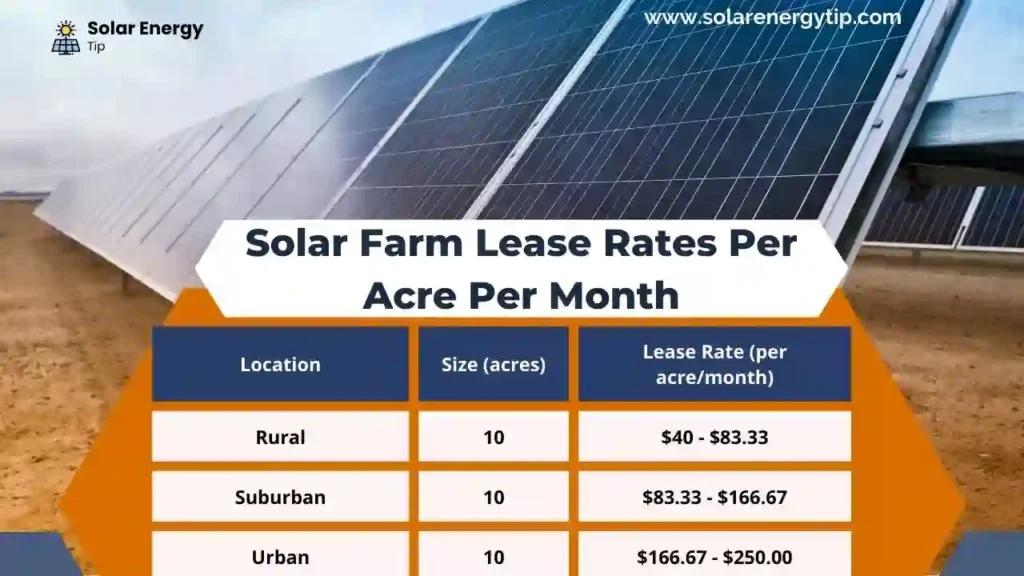
Fixed‑rate lease
The lessee pays a set annual amount per acre, regardless of the farm’s electricity output. This model offers predictable cash flow for the landowner but may miss out on higher revenues if the site outperforms expectations.
Revenue‑share lease
Payments are tied to a percentage of the farm’s gross revenue. Landowners can benefit from rising electricity prices or favorable power purchase agreements (PPAs), though income can fluctuate year to year.
Hybrid lease
Combines a modest base rent with a smaller revenue share, striking a balance between stability and upside potential.
When negotiating, pay attention to clauses about rent escalation, maintenance responsibilities, and early termination rights.
Key Legal and Regulatory Considerations
Every state has its own statutes governing utility‑scale solar projects. Common elements to watch include:
- Permitting: Obtain building permits, environmental clearances, and, where required, a solar‑specific use permit.
- Interconnection agreements: Utilities often require a separate agreement that outlines technical standards and fees for linking the farm to the grid.
- Deed restrictions: Ensure the lease does not conflict with any existing covenants that forbid commercial use.
- Tax implications: Lease payments are generally deductible as ordinary income for the landowner, while developers may claim accelerated depreciation under the Modified Accelerated Cost‑Recovery System (MACRS).
Consulting with an attorney familiar with renewable‑energy law can prevent costly oversights.
Financial Incentives and Funding Options
Federal and state programs can substantially improve a project’s economics. The Investment Tax Credit (ITC) currently offers a 30% credit on qualified solar investments, though it phases down for certain categories after 2024. Some states also provide cash rebates, low‑interest loans, or property‑tax abatements for solar installations.
For landowners, a lease can be a source of passive income that qualifies for the same tax benefits if the lease qualifies as a “qualified leasehold” under the ITC rules. Clarify with a tax professional whether you can claim any portion of the credit.
Due Diligence Checklist for Landowners
Before signing, run through this short list:
- Verify ownership and ensure no liens or encumbrances exist.
- Confirm that the land’s current zoning permits solar development.
- Assess any existing easements that could interfere with panel placement.
- Request a site‑specific solar feasibility study.
- Review the developer’s insurance coverage, especially liability and property damage.
- Understand the process for de‑commissioning the farm at the lease’s end.
Documenting each point helps protect your interests and fosters a transparent partnership.
Negotiating the Lease Terms
Start with a clear understanding of your priorities. If stable cash flow matters most, a higher fixed rent may be preferable. If you’re optimistic about future electricity prices, negotiate a larger revenue‑share percentage.
Don’t overlook ancillary clauses:
- Indemnification: The developer should indemnify the landowner against third‑party claims arising from the project.
- Restoration: Outline who is responsible for returning the land to its original condition after de‑commissioning.
- Right of first refusal: Gives you the option to purchase the solar assets if the developer decides to sell.
Engage a professional negotiator or attorney to draft or review the agreement.
Environmental and Community Impact
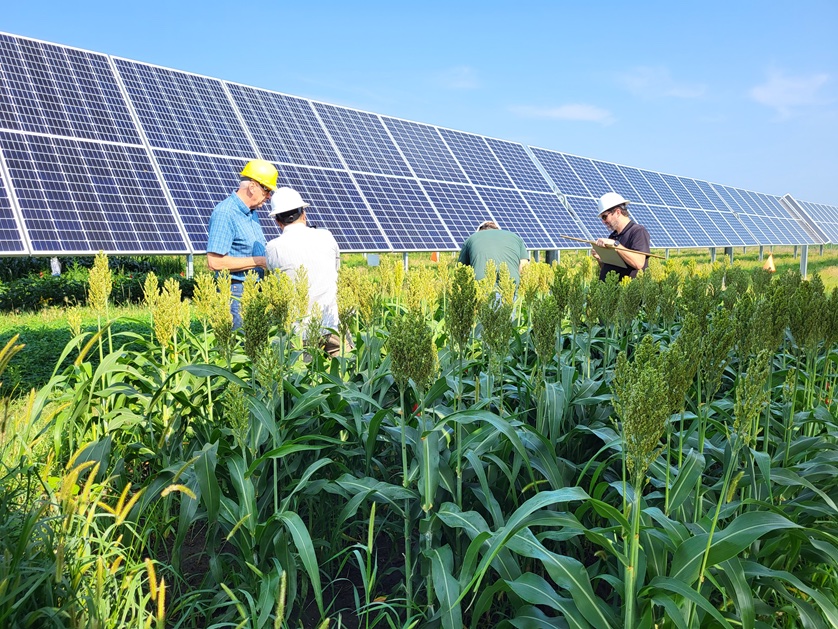
Solar farms can coexist with agriculture—a practice known as agrivoltaics—by spacing panels to allow for grazing or crop growth beneath them. This dual‑use approach can increase land productivity and earn goodwill from local communities.
Moreover, solar installations typically have a small ecological footprint compared to other energy sources. Still, conduct a brief environmental impact assessment to identify any potential issues, such as bird migration paths or water runoff concerns.
Getting the Project Off the Ground
Once the lease is signed, the development timeline generally follows these phases:
- Site preparation and grading.
- Installation of mounting structures and panels.
- Electrical wiring and inverter setup.
- Connection to the grid and final inspections.
- Commissioning and start of operations.
Most developers aim to complete a 5‑MW farm within 12 to 18 months, assuming permitting goes smoothly.
Frequently Asked Questions
What is the typical length of a solar‑farm lease?
Leases usually run 20 to 30 years, matching the expected productive life of the PV system while providing enough time to recoup the developer’s investment.
Can I still farm the land while the solar panels are there?
Yes, many projects use a “single‑axis tracker” or fixed‑tilt layout that leaves enough open space for grazing livestock or low‑height crops. The specific layout depends on panel spacing and the chosen technology.
Do I need to pay property taxes on the leased land?
Tax treatment varies by jurisdiction. Some states offer property‑tax reductions for renewable‑energy projects, but generally the landowner remains responsible for the base property tax unless the lease explicitly transfers that obligation.
What happens when the lease ends?
Most agreements include a de‑commissioning clause that requires the developer to remove equipment and restore the site, or to transfer ownership of the infrastructure to the landowner at a predetermined cost.