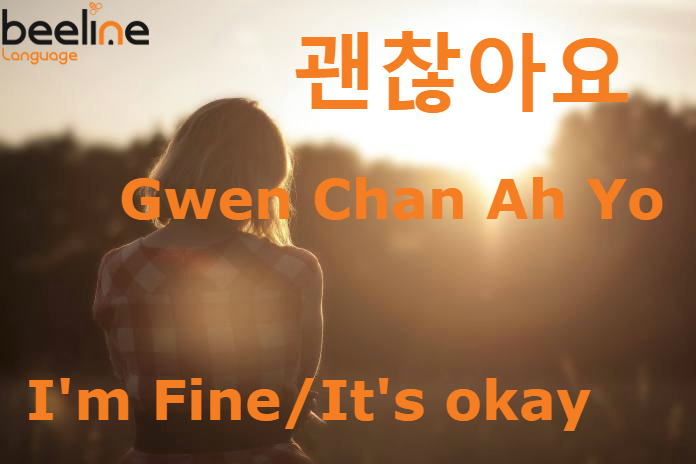
How to Say “I’m Not Okay” in Korean: Digital Learning Tips
Why the Phrase Matters in Everyday Korean
Even a short sentence can open doors to deeper connections, especially when you’re abroad or chatting with Korean friends online. “I’m not okay” isn’t just a literal translation; it signals vulnerability, invites empathy, and respects the cultural rhythm of expressing feelings. In a digital classroom or a language‑exchange app, having that phrase ready can turn a scripted lesson into a genuine conversation.
Breaking Down the Sentence
The most straightforward way to say “I’m not okay” is 괜찮지 않아요 (gwaen‑chan‑ji an‑a‑yo). Let’s look at each piece:
- 괜찮다 – to be okay, alright.
- 지 않다 – the negation construction, similar to “not”.
- 아요 – polite ending used in everyday conversation.
When you put them together, the rhythm becomes: gwah‑en‑chan‑jee ah‑nah‑yo. The stress falls lightly on the second syllable, and the final “yo” adds a gentle, respectful tone.
Pronunciation Made Simple with Digital Tools
Getting the sounds right is often the biggest hurdle for English speakers. Here are three free digital resources that let you hear native speakers and practice aloud:
- Forvo – type “괜찮지 않아요” and listen to dozens of recordings from different regions.
- Google Translate (voice) – while not perfect, it offers a quick reference for pitch and pacing.
- Talk To Me In Korean (TTMIK) app – includes a “repeat after me” feature that highlights your waveform against the native sample.
Try saying the phrase three times in a row, then pause and mimic the intonation you just heard. A short, daily repeat‑through can cement the sound pattern faster than any textbook drill.
Choosing the Right Digital Learning Platform
Not every app is built for emotional vocabulary. Look for platforms that blend cultural context with pronunciation drills. Here are a few that stand out:
- Duolingo Korean – offers a micro‑lesson on feelings, complete with short dialogues where “괜찮지 않아요” appears in a realistic scenario.
- Memrise – community‑created decks often include audio clips from Korean YouTubers, giving you a more natural cadence.
- HelloTalk – a language‑exchange network where you can type the phrase, ask a native for correction, and even send a voice note.
When you’re scrolling through a lesson, ask yourself: “Does this resource let me hear the phrase in context?” If the answer is no, skip it and try a platform that does.
Cultural Nuances Behind “I’m Not Okay”
In Korean society, openly declaring discomfort can be less common than in some Western cultures. People often soften the statement with additional words like 좀 (a little) or 조금 (a bit). For example, 조금 괜찮지 않아요 translates to “I’m a little not okay,” which feels less abrupt.
When you use the plain form 괜찮지 않아요 with a close friend, it’s perfectly fine. In a more formal setting—say, a video call with a professor—you might say 제가 지금 괜찮지 않아요 (I’m not okay right now) to keep the tone respectful.
Putting It Into Conversation
Practicing in isolation helps, but the real test is using the phrase in a dialogue. Below is a simple script you can try with a study partner or a language‑exchange buddy:
- You: 안녕하세요, 요즘 어떻게 지내세요? (Hi, how have you been lately?)
- Partner: 잘 지냈어요! 당신은요? (I’ve been well! How about you?)
- You: 사실, 저는 지금 괜찮지 않아요. (Actually, I’m not okay right now.)
- Partner: 무슨 일 있나요? 얘기하고 싶으면 들어줄게요. (Is something wrong? If you want to talk, I’m listening.)
This exchange shows the phrase in a supportive context, reinforcing both language and empathy. Try swapping the roles, or replace “괜찮지 않아요” with “조금 괜찮지 않아요” to see how the nuance shifts.
Tracking Your Progress Digitally
Modern language learners love data. Use any of these methods to see how quickly you’re mastering the phrase:
- Spaced‑repetition flashcards – add a card with the Korean phrase on one side and the English meaning on the other. Review daily.
- Voice‑recording journal – record yourself saying “괜찮지 않아요” each morning, then compare to the native clip from Forvo.
- Progress graphs – apps like Anki or Memrise automatically plot your recall rate; aim for a 90% success rate over two weeks.
The visual feedback keeps you motivated and highlights any lingering pronunciation quirks.
FAQ
What’s the most polite way to say “I’m not okay” in Korean?
Use 제가 지금 괜찮지 않아요. Adding “제가 지금” (I right now) and the polite ending “요” signals respect while still conveying your feelings.
Can I use “아니에요” instead of “괜찮지 않아요”?
“아니에요” simply means “It’s not” and lacks the specific nuance of “not okay.” It’s better to stick with “괜찮지 않아요” when talking about emotional or physical well‑being.
Do Korean apps teach emotional phrases like this?
Yes, many modern apps—especially TTMIK, Duolingo, and Memrise—include modules on feelings and health. Look for lessons titled “Feelings” or “Daily Life Conversations.”
How often should I practice the phrase to sound natural?
Consistency beats intensity. A short 2‑minute vocal repeat each day, combined with occasional real‑world use, usually yields natural fluency within a month.