How to Say “Ingat Sa Biyahe” in English: A Quick Guide
What “Ingat Sa Biyahe” Really Means
When a Filipino friend or family member wishes you “Ingat sa biyahe,” they’re not just saying “good luck.” The phrase packs a blend of concern, goodwill, and a subtle reminder to stay safe on the road, in the air, or on any journey. Literally, it translates to “take care during the trip,” but the sentiment is broader—think of it as a warm “safe travels” wrapped in cultural care.
Because the expression is so common in everyday conversation, it often appears on postcards, in text messages, and even on social media posts before someone heads out. Understanding the nuance helps you respond in a way that feels genuine, whether you’re replying in English or sharing the sentiment with other travelers.
Direct English Equivalents
English doesn’t have a single phrase that captures every shade of “Ingat sa biyahe.” The closest matches are:
- Safe travels – the standard, polite wish for a smooth journey.
- Take care on your trip – a slightly longer version that mirrors the caring tone.
- Have a safe journey – a formal alternative often used in writing.
All three convey the core idea, but the choice depends on the context. In a casual text, “Safe travels!” feels breezy, while “Take care on your trip” works well when you want to add a personal touch.
When to Use Each Version
Casual Texts and Social Media
Short, upbeat platforms favor “Safe travels!” It’s snappy, universally understood, and fits neatly into a tweet or WhatsApp message. If you want to echo the original’s warmth, you could add an emoji of a plane or a road—though keep it subtle.
Formal Emails or Letters
For business correspondences, “Have a safe journey” sounds polished without sounding stiff. It respects professional boundaries while still showing consideration.
Personal Conversations
When speaking face‑to‑face, especially with someone you know well, “Take care on your trip” allows you to expand the sentiment. You might follow it with a quick question about their itinerary, mirroring the Filipino habit of caring about the details.
Adding Filipino Warmth to English Wishes
If you want to keep a hint of the original culture, try blending languages. Phrases like “Safe travels, ingat!” or “Take care, ingat sa biyahe!” show respect for the speaker’s heritage while staying understandable to English speakers. This mix works well in multilingual families or among friends who share both languages.
Another option is to use a short Tagalog tag after the English phrase: “Have a great trip—ingat!” The Tagalog word “ingat” alone carries the protective vibe, making the whole sentence feel heartfelt.
Travel Safety Tips That Echo “Ingat Sa Biyahe”
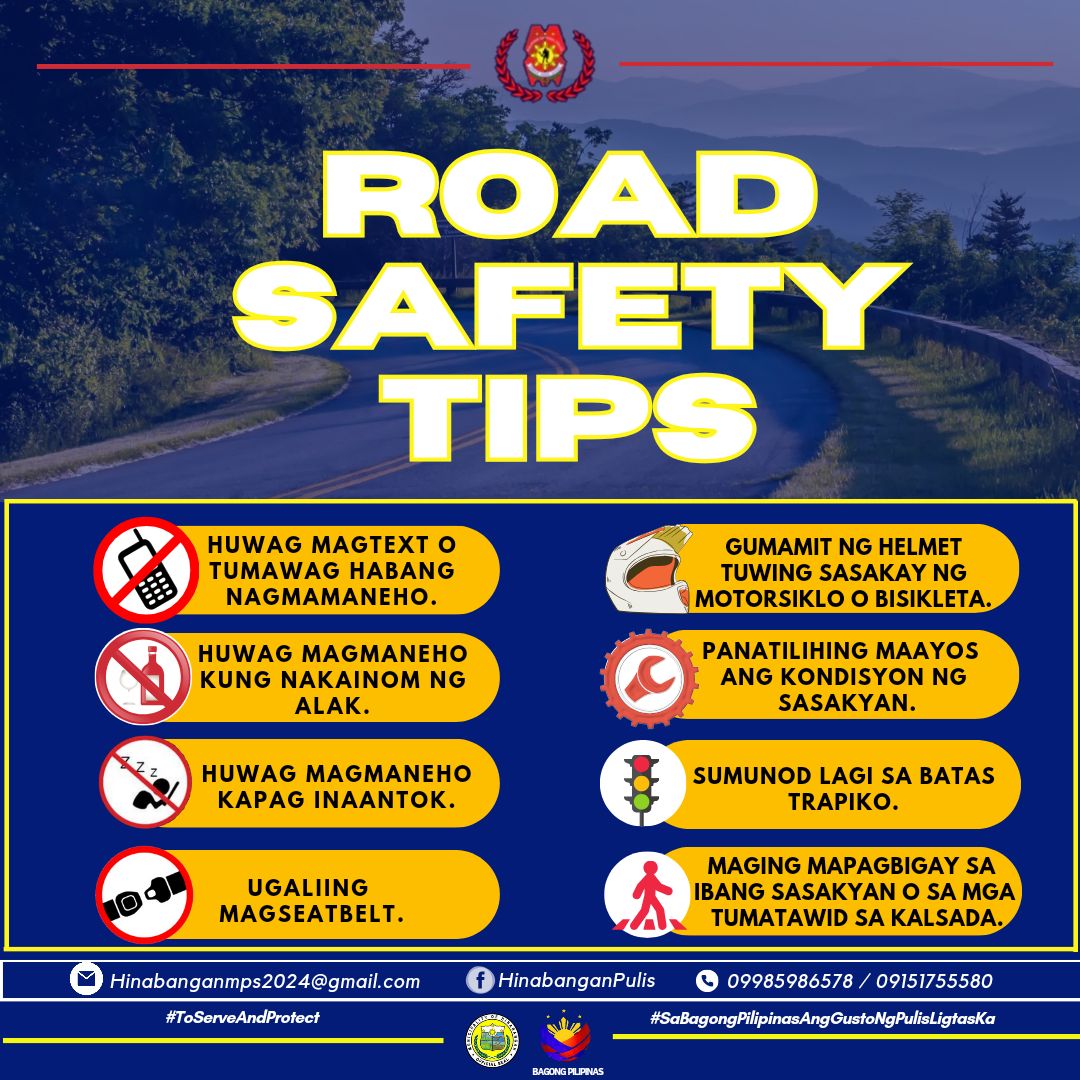
Beyond words, the spirit of “Ingat sa biyahe” is about practical safety. Here are a few universally useful tips you can share when wishing someone well:
- Double‑check your travel documents and keep digital copies handy.
- Stay aware of your surroundings, especially in crowded terminals.
- Keep emergency contacts saved in your phone and on a piece of paper.
- If you’re driving, always wear a seatbelt and obey local traffic laws.
- For flights, hydrate and stretch regularly to avoid discomfort.
These actions reinforce the caring intent behind the phrase, turning a simple wish into a helpful reminder.
Common Mistakes to Avoid
Non‑native speakers sometimes over‑translate, ending up with “Be careful in the travel,” which sounds awkward. Stick to the natural equivalents listed above. Also, avoid mixing too many languages in a single sentence; it can dilute the meaning and confuse the listener.
Another pitfall is using “Safe travels” for a short, everyday commute. While technically correct, the phrase is usually reserved for longer trips. For a quick trip to the market, “Take care on your way” feels more appropriate.
Practice Makes Perfect
Try swapping out “Ingat sa biyahe” in a few real‑life scenarios:
- Friend leaving for a weekend road trip: “Safe travels! Call me when you’re on the highway.”
- Colleague heading to an overseas conference: “Have a safe journey—let us know if you need anything.”
- Sibling boarding a flight: “Take care on your trip, and enjoy the view from the window.”
Notice how each version feels slightly different but all honor the original sentiment. Practicing these variations will make your responses feel natural and considerate.
Quick Reference Cheat Sheet
- Ingat sa biyahe → Safe travels
- Casual: “Safe travels!”
- Formal: “Have a safe journey.”
- Personal: “Take care on your trip.”
- Mixed: “Safe travels, ingat!”
Frequently Asked Questions
Is “Ingat sa biyahe” only used for long trips?
No. While it’s common for longer journeys, Filipinos also say it for short commutes, especially when they want to show extra care.
Can I use “Ingat” alone in English conversations?
Yes, “Ingat” is increasingly understood in multicultural circles, but pairing it with an English phrase ensures clarity for those unfamiliar with Tagalog.
What’s the best way to reply when someone says “Ingat sa biyahe”?
A friendly “Thanks! I’ll be careful” or an English equivalent like “Thanks, I’ll have a safe trip” works well. Adding a smiley or a nod reinforces the warmth.
Do other languages have a similar phrase?
Many cultures have their own version—Spanish speakers say “¡Buen viaje!” and Japanese use “気をつけて (ki o tsukete).” Each carries the same blend of well‑wishing and protective intent.


![2GO Travel - [𝐓𝐑𝐀𝐕𝐄𝐋 𝐀𝐃𝐕𝐈𝐒𝐎𝐑𝐘 – 𝐉𝐔𝐋𝐘 𝟐𝟐, 𝟐𝟎𝟐𝟓] Dahil sa... | Facebook](https://lookaside.fbsbx.com/lookaside/crawler/media/?media_id=1095227176137455)