How to Secure Owner Financing for an RV: A Step‑by‑Step Guide
What Is RV Owner Financing?
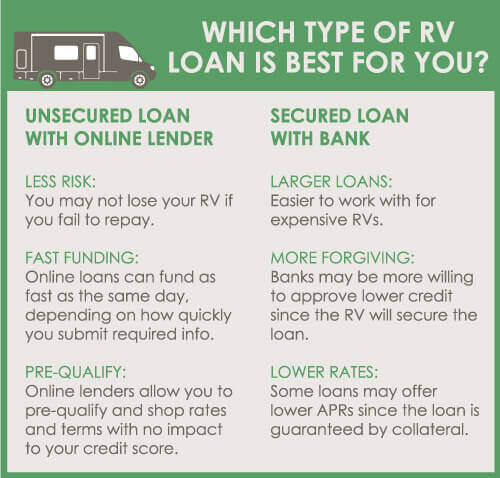
When you hear “RV owner financing,” think of a private loan straight from the seller instead of a traditional bank. The current owner acts as the lender, letting you spread payments over time while you take the vehicle home. This arrangement can be a lifeline for buyers with limited credit history or those who want to avoid the paperwork and fees that come with conventional financing.
Why Choose Owner Financing?
There are a few compelling reasons to consider this route:
- Flexibility: Payment schedules and down‑payment amounts are often negotiable.
- Speed: Without a bank’s underwriting process, deals can close in days.
- Credit friendliness: Sellers may be more forgiving of a less‑than‑perfect credit score.
On the flip side, you’ll typically face higher interest rates and fewer consumer protections, so weighing pros and cons is essential before you sign.
Step 1: Assess Your Financial Situation
Before you start hunting for an RV, take a hard look at your budget. Calculate how much you can comfortably afford each month, including insurance, maintenance, and campsite fees. A good rule of thumb is that your RV payment shouldn’t exceed 15 % of your net monthly income.
Gather recent pay stubs, tax returns, and a list of existing debts. Having this paperwork ready will not only help you set realistic expectations but also demonstrate seriousness to the seller when it’s time to negotiate.
Step 2: Find Sellers Open to Owner Financing
Not every RV owner is willing to act as a lender, so you’ll need to be a bit detective‑like. Start with online marketplaces that let you filter listings for “owner financing” or “seller financing.” Local RV clubs, community bulletin boards, and word‑of‑mouth referrals can also uncover hidden gems.
When you locate a potential vehicle, ask direct questions: “Are you open to owner financing?” and “What terms have you offered in the past?” The answers will quickly tell you whether the conversation is worth pursuing.
Step 3: Determine Fair Market Value
Understanding the RV’s market price protects you from overpaying. Use resources like NADA Guides, Kelley Blue Book, or recent comparable sales in your area. If the seller’s asking price is already above market, you’ll have leverage to negotiate a lower purchase price or a better financing rate.
Remember, the total cost of owner financing includes both the price of the RV and the interest you’ll pay over the life of the loan. A slightly higher purchase price can sometimes be justified if the interest rate is low.
Step 4: Negotiate the Financing Terms
Key elements to hammer out include:
- Down payment: Most owners expect 10‑20 % upfront.
- Interest rate: Compare the seller’s rate with current bank rates; a difference of 1‑2 % can add up quickly.
- Loan term: Typical terms range from 3 to 7 years. Shorter terms mean higher monthly payments but less interest overall.
- Payment schedule: Monthly payments are standard, but some sellers accept quarterly or even lump‑sum payments.
Put any agreed‑upon terms in writing. A simple contract that outlines the principal, interest, payment dates, and consequences of missed payments can prevent misunderstandings later.
Step 5: Secure the Necessary Documentation
Both parties will need to provide certain documents. As the buyer, you’ll likely submit proof of income, a copy of your driver’s license, and possibly a credit report (even if the seller isn’t strict about credit). The seller should furnish the RV’s title, a bill of sale, and a lien release if there’s an existing loan.
Some states require the financing agreement to be notarized or filed with a local department of motor vehicles. Check your state’s regulations to stay compliant.
Step 6: Close the Deal
When everything’s signed and the down payment is transferred, the seller will hand over the title (or a lien‑holder’s copy) and the keys. It’s wise to meet at a neutral location—perhaps a notary’s office or a local DMV—to finalize paperwork.
After the transaction, set up automatic payments or reminders to avoid missing a due date. Consistent, on‑time payments will not only keep you on track but also build goodwill with the seller, which can be handy if you later seek a refinance.
Common Pitfalls and How to Avoid Them
Hidden fees. Some owners tack on administration fees or late‑payment penalties. Insist on a clear fee schedule in the contract.
Title complications. If the seller still owes money on the RV, the title may be held by a lienholder. Ensure the lien is released before you take possession.
Interest surprises. Variable‑rate agreements can swing dramatically. Prefer a fixed‑rate loan unless you’re comfortable with market fluctuations.
FAQ
Can I refinance an RV that I bought with owner financing?
Yes. Once you’ve built equity and your credit improves, many banks will refinance the balance, often at a lower rate.
Do I need a credit check for owner financing?
Not always. Some sellers rely more on the down payment and personal rapport, but many still run a basic check to gauge risk.
What happens if I miss a payment?
Terms vary, but most contracts allow a grace period before penalties kick in. Repeated missed payments can lead to repossession, so communicate early if you anticipate a problem.
Is owner financing legal in every state?
Owner financing is legal nationwide, but the exact paperwork and filing requirements differ by state. Consult your local DMV or a legal professional to ensure compliance.