How to Speed Up Neck Injury Recovery: Proven Tips & Techniques
Understanding Neck Injuries and Why Recovery Can Be Tricky
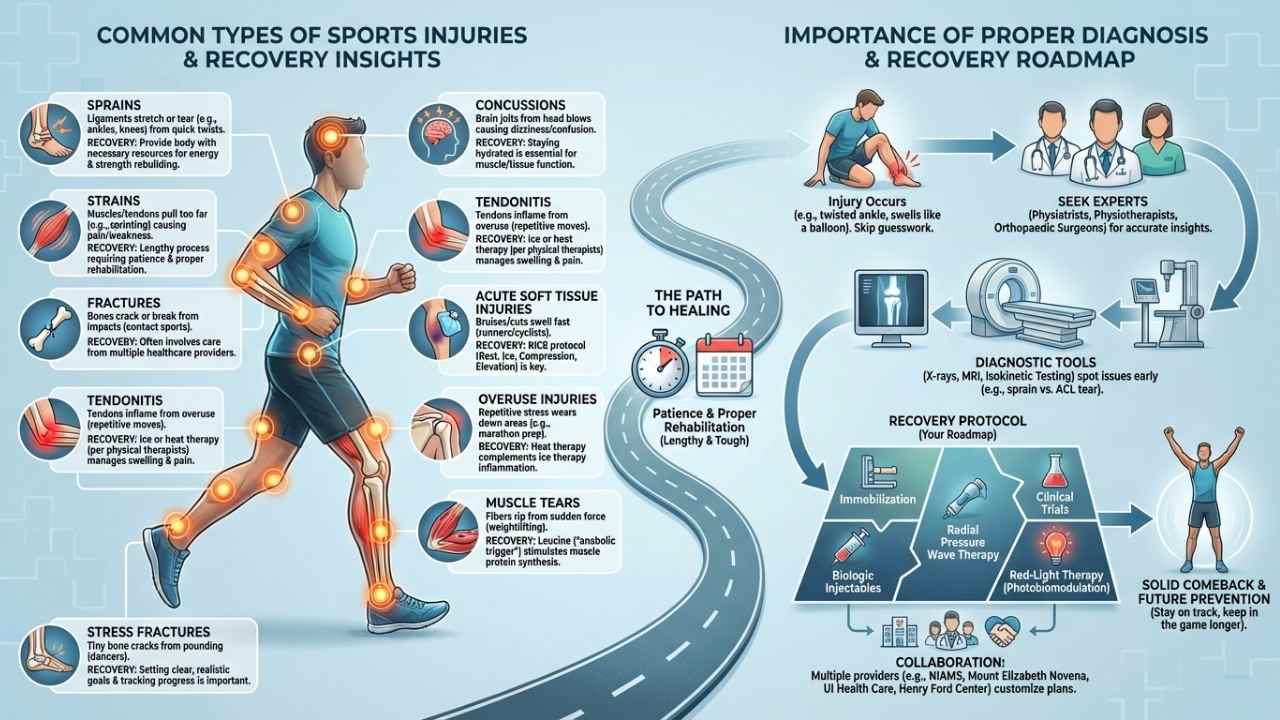
Neck injuries range from mild strains to more serious sprains, and the cervical spine’s delicate structure makes healing a nuanced process. Even a minor whiplash can trigger stiffness, headaches, and limited range of motion that linger for weeks. Because the neck supports the head and houses critical nerves, inflammation often spreads quickly, turning a simple ache into a persistent nuisance. Recognizing the type of injury you have—whether it’s muscular, ligamentous, or disc‑related—helps you choose the right recovery path and avoid setbacks.
Proven Tips for Faster Healing
When you’re focused on fast neck injury recovery, a few evidence‑backed habits can make a noticeable difference. Below are practical steps you can adopt right away.
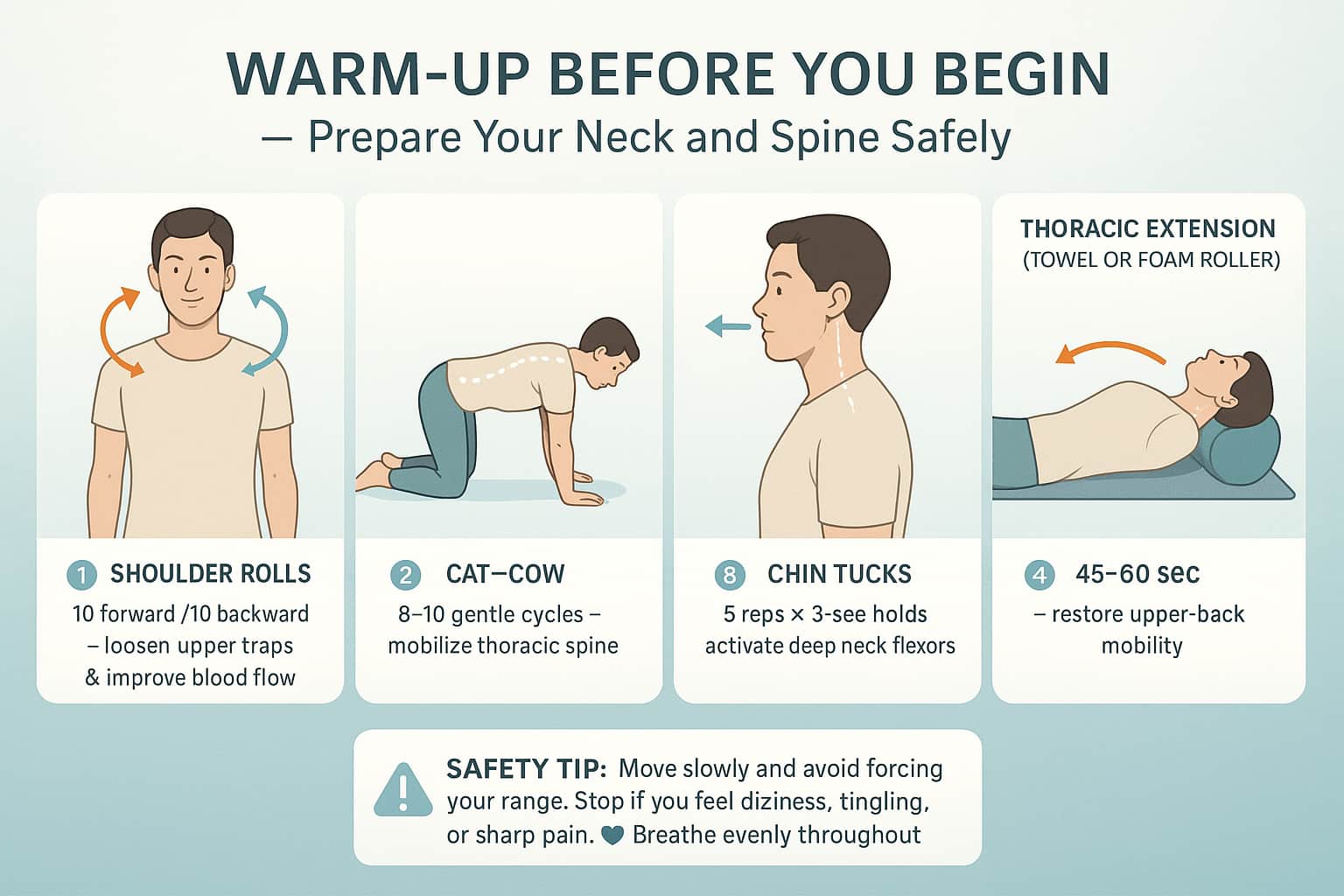
- Gentle movement over immobilization. Short, controlled ranges of motion keep joints lubricated and prevent scar tissue from forming. Think of slow head‑tilts, chin tucks, and side‑to‑side rotations performed 3–5 times a day.
- Apply cold then heat strategically. Ice for the first 48 hours reduces swelling, while a warm compress after that promotes blood flow and loosens tight muscles.
- Stay hydrated and maintain good posture. Adequate fluids support disc health, and an ergonomic workspace (monitor at eye level, supportive chair) reduces strain on the cervical spine.
- Incorporate low‑impact aerobic activity. Light walking or stationary cycling boosts circulation without aggravating the neck, delivering nutrients that speed tissue repair.
- Prioritize sleep quality. A pillow that keeps the neck in a neutral alignment—often a contour or memory‑foam type—prevents overnight stiffness and encourages healing.
Techniques You Can Try at Home
Beyond the basic tips, a handful of targeted techniques can accelerate recovery without a prescription.
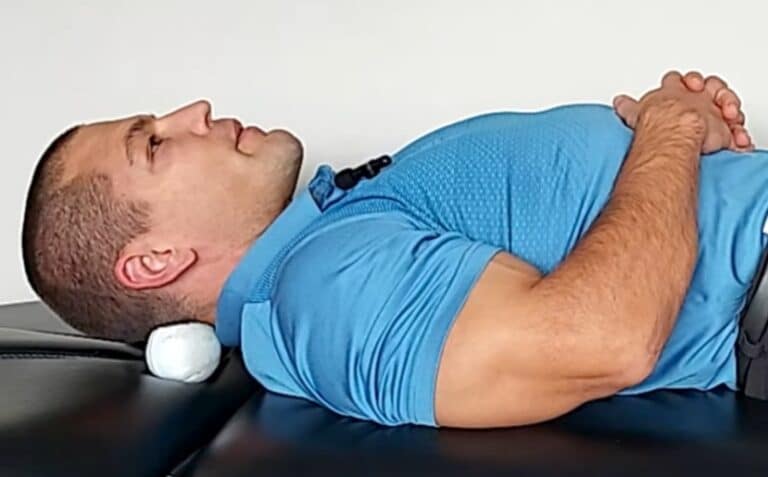
Self‑myofascial release using a soft foam roller or a tennis ball can gently massage tight upper‑trapezius and levator scapulae muscles. Roll slowly for 30‑seconds on each sore spot, breathing deeply to enhance relaxation.
Isometric neck exercises are especially helpful during the acute phase when movement feels painful. Place your palm against the side of your head and push gently while resisting with your neck muscles; hold for 5‑10 seconds, then release. Repeat in all four directions.
If you have access to a resistance band, band‑assisted cervical flexion offers a controlled way to build strength. Anchor the band behind you, wrap it around the back of your head, and gently pull forward, keeping the movement slow and pain‑free.
When to Seek Professional Help
Self‑care works well for most mild to moderate injuries, but certain red flags signal that a clinician’s expertise is needed. Persistent numbness, tingling down the arms, worsening pain after a few days, or a sudden loss of balance all warrant prompt medical evaluation. Physical therapists can tailor a progressive program, while physicians may order imaging—like X‑ray or MRI—to rule out fractures or herniated discs. Early professional intervention often shortens overall recovery time.
Creating a Sustainable Recovery Plan
Recovery is not a sprint; it’s a series of small, consistent actions. Start by mapping out a weekly schedule that blends the tips above: two short mobility sessions, a daily hydration reminder, and a nightly sleep‑optimizing routine. Track how your neck feels on a simple 1‑10 pain scale; if the score drops consistently, you’re on the right track. Adjust intensity gradually—add a few extra repetitions or a slightly longer walk each week—to keep progress steady without overloading the tissue.
Mind‑Body Connection and Stress Management
Stress can tighten the neck muscles, undoing hours of diligent stretching. Incorporating relaxation techniques—such as deep diaphragmatic breathing, guided meditation, or gentle yoga—helps keep the sympathetic nervous system calm. Even five minutes of focused breathwork before bedtime can lower muscle tension and improve sleep quality, both of which are vital for fast neck injury recovery.
Nutrition Tips that Support Healing
Your diet supplies the building blocks for tissue repair. Emphasize protein sources like lean poultry, beans, and Greek yogurt to provide amino acids for muscle regeneration. Anti‑inflammatory foods—fatty fish rich in omega‑3s, berries, leafy greens, and turmeric—can reduce swelling and pain. Finally, don’t forget magnesium and calcium, essential for nerve function and bone health; a balanced multivitamin or foods such as almonds and fortified dairy can fill gaps.
FAQ
Q: How soon after a neck injury can I start moving?
A: For most strains, gentle range‑of‑motion exercises can begin within 24‑48 hours, as long as they’re pain‑free and performed slowly.
Q: Is it safe to use a neck brace for a week?
A: Short‑term use may help reduce severe pain, but prolonged immobilization can weaken muscles and delay recovery. Use a brace only under a clinician’s guidance.
Q: Can over‑the‑counter pain relievers hinder healing?
A: NSAIDs like ibuprofen can reduce inflammation early on, but relying on them long‑term may mask pain signals that warn you to rest. Use them sparingly and follow label instructions.
Q: Will a chiropractor be helpful for neck injury recovery?
A: A qualified chiropractor can perform spinal adjustments that improve mobility, but it should complement—rather than replace—other evidence‑based strategies like stretching and posture correction.