How to Spot Fake Celebrity Death News and Find the Truth
Why Verifying Celebrity Death Reports Matters
Every time a famous name pops up on your feed with a headline like “Star X Has Died,” you’re thrust into a swirl of shock, memes, and a flood of comments. The truth is, not every report is accurate, and false announcements can spread faster than a rumor at a Hollywood party. Verifying celebrity death reports protects fans from needless grief and helps keep the internet from becoming a breeding ground for hoaxes.
Common Tricks Used in Fake Death Announcements
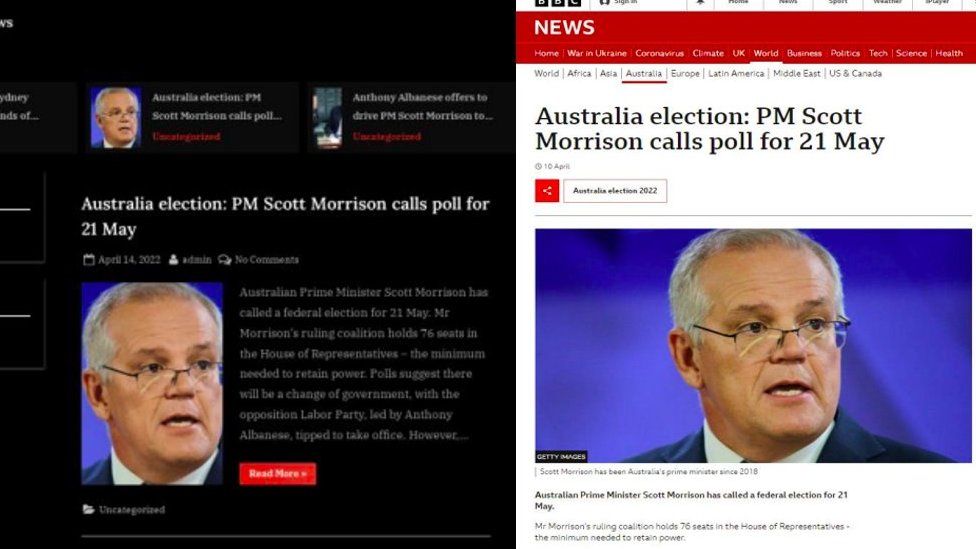
Scammers and pranksters rely on a handful of predictable tactics. First, they often share a grainy screenshot of a supposed news article, hoping the low resolution will hide any tell‑tale signs of fakery. Second, they use official‑sounding usernames on social media, mimicking verified accounts by adding a tiny “official” tag or a blue check that’s actually a graphic overlay. Finally, many false stories exploit the timing of real events—like a star’s birthday or a major award show—to seem timely.
Visual clues to watch for
- Watermarks or logos that look slightly off‑center or pixelated.
- Inconsistent fonts compared to a news outlet’s usual style.
- Missing URLs or links that redirect to unrelated pages.
Step‑by‑Step Guide to Confirm a Report
When a headline catches your eye, resist the urge to share it immediately. Follow these practical steps to verify the claim before it spreads:
- Check reputable news sources. Established outlets such as BBC, Reuters, or the Associated Press will typically publish a story within minutes if a high‑profile death occurs.
- Visit the celebrity’s official channels. Look for a post from the star’s verified Instagram, Twitter, or Facebook page, or an announcement from their publicist or management.
- Search for corroborating reports. A quick Google search of the star’s name plus “death” will reveal whether multiple trustworthy sites are covering the news.
- Consult fact‑checking sites. Websites like Snopes or AFP Fact Check maintain updated lists of hoaxes, including false celebrity death rumors.
If none of these sources confirm the story, treat the headline with skepticism.
The Role of Social Media Platforms
Platforms such as Twitter and TikTok have taken steps to limit the spread of misinformation, but their algorithms still prioritize engagement over accuracy. Some networks now label potentially false content with warnings, yet the label appears after the post has already been shared widely. Understanding how each platform handles rumors can help you decide whether to trust a particular post.
How to use platform tools effectively
- Twitter: Click the three‑dot menu on a tweet to see the source and check for verification badges.
- Facebook: Look for the “See More” option on a news article preview, which often reveals the original publisher.
- TikTok: Pay attention to the caption; creators who post “rumor debunk” videos usually link to reputable sources in the comments.
Psychology Behind the Viral Spread
Human beings are wired to react strongly to news about death, especially when it involves a beloved figure. The emotional punch makes the story more shareable, regardless of its truthfulness. Moreover, the “bandwagon effect” kicks in—once a few friends share the news, you’re more likely to pass it on without checking. Recognizing these impulses can give you a moment to pause and verify.
What to Do If You’ve Already Shared a False Report
Accidentally amplifying a hoax is more common than you think. The best response is a quick correction: delete the original post if possible, then share a brief note explaining you’ve learned the story was unverified. Adding a link to a reliable source helps set the record straight and may prevent further confusion among your network.
Legal and Ethical Considerations
Beyond the inconvenience, false death reports can cause real harm. Families may experience unnecessary distress, and the subject’s estate could face reputational damage. In some jurisdictions, publishing knowingly false information about a person’s death can be considered defamation, leading to legal repercussions for the original source.
Key Takeaways
Verifying celebrity death reports isn’t just a hobby for gossip enthusiasts; it’s a small but vital part of digital literacy. By checking reputable sources, scrutinizing visual cues, and understanding platform mechanics, you can cut through the noise and keep your feed—and your friends—accurately informed.
Frequently Asked Questions
Q: How long does it usually take for reputable news outlets to report a genuine celebrity death?
A: If the death is confirmed, major outlets often publish a story within an hour, especially for globally recognized figures.
Q: Can I rely on a celebrity’s family statement on social media?
A: Yes, a direct post from the family’s verified account is generally trustworthy, but it’s still wise to look for corroboration from a news source.
Q: Are there any apps that specialize in debunking celebrity rumors?
A: While there isn’t a dedicated “celebrity rumor” app, mainstream fact‑checking services like Snopes and FactCheck.org maintain sections for popular culture myths.
Q: Does a blue verification badge guarantee a post is accurate?
A: No. Verification indicates the account’s authenticity, not the truthfulness of each individual post. Always cross‑check the content.