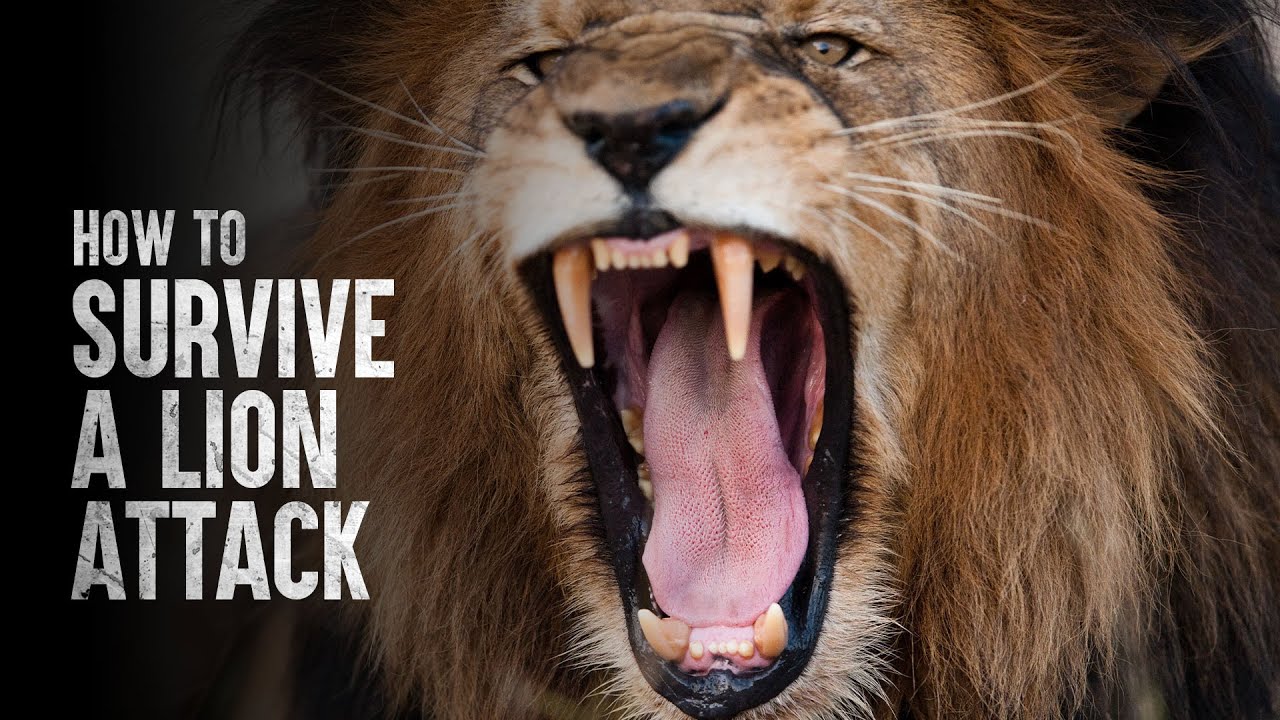
How to Stay Safe During a Lion Encounter: Survival Tips Explained
Surviving wild animal attacks, especially lion encounters, is a matter of preparation, awareness, and quick thinking. While the odds of meeting a lion in the wild are slim, tourists, researchers, and locals in lion‑habitat regions can find themselves face‑to‑face with these powerful predators. Understanding the animal’s mindset and knowing the right actions can make the difference between a story of escape and a tragic outcome.
Lion Encounters Explained: Why Attacks Happen
Lions are apex predators, but they rarely hunt humans unless provoked or desperate. Most attacks stem from a defensive response—protecting a kill, cubs, or a territory. Seasonal droughts can drive lions closer to human settlements in search of water, increasing the chance of a surprise encounter. Recognizing the triggers helps you keep a respectful distance before the situation escalates.
Understanding Lion Behavior
In the wild, a lion’s day revolves around rest, patrol, and hunting. They are most active at dusk and dawn, the same times many safaris and wildlife walks occur. A lion’s body language is a clear communicator:
- Low growl or huff – a warning, indicating the animal feels threatened.
- Stiffened posture – muscles tensed, ears forward; the lion is assessing you.
- Tail flicking – can signal agitation or readiness to move.
When you notice any of these signs, it’s a cue to back away slowly and avoid sudden movements.
Pre-Encounter Precautions
Preparation starts long before you step onto the savanna. Here are practical steps you can take:
- Travel in groups. Lions are less likely to approach a cluster of people.
- Stay on marked paths. Straying into dense bush or low visibility zones increases risk.
- Carry deterrents. A loud whistle, air horn, or even a sturdy walking stick can be useful.
- Know the area. Consult local guides about recent lion sightings or predator activity.
Even seasoned guides advise against walking alone at night, when lions are on the move.
What to Do If a Lion Appears
Seeing a lion doesn’t automatically mean danger. Stay calm, keep your eyes on the animal, and follow these steps:
- Stop moving. Freeze in place, as sudden motion can trigger a chase instinct.
- Make yourself look bigger. Raise your arms, spread a jacket, or open a backpack.
- Speak softly. A calm, firm voice can reassure the lion you’re not prey.
- Back away slowly. Sidestep rather than turning your back, maintaining visual contact.
If the lion shows no interest and continues on its path, you can usually continue your trek after a safe distance is restored.
If a Lion Charges
A charge is the most alarming scenario. Contrary to popular myth, lions often perform a “stalk‑and‑pause” before the real attack. If the lion actually sprints toward you, react decisively:
- Stand your ground. Dropping to the ground makes you less of a target and can cause the lion to reconsider.
- Use any available object. Throw rocks, branches, or a backpack to create a barrier.
- Yell loudly and wave your arms. A sudden burst of noise can startle the animal.
- Play dead only as a last resort. If the lion makes contact, curl into a ball, protect your head, and remain still.
Most charges are bluff charges—a warning that the lion is prepared to attack if you don’t comply. By showing no fear and making yourself appear unappealing, many attacks are averted.
Post-Encounter Steps
After the lion leaves, assess any injuries immediately and seek medical attention, even for minor wounds, because wild animal bites can carry infections. Report the sighting to local wildlife authorities; they can track the animal’s movements and advise others in the area. Finally, reflect on the encounter: what cues did you miss? Adjust future behavior accordingly.
FAQ
Can a lion be deterred with a vehicle? Yes, a moving vehicle creates a loud, unfamiliar presence that usually scares lions away. However, stay inside and keep the doors locked; opening a window could invite curiosity.
Is it safe to camp in lion‑prone areas? Camping is possible if you set up in designated campsites with proper fencing and night‑time lighting. Always keep food sealed to avoid attracting predators.
What should I do if a lion is protecting its cubs? Give the lion a wide berth—at least 300 meters if possible. Cubs trigger strong defensive behavior, and the adult will view any approach as a threat.