How to Talk About Polo Shirts in Spanish: Style Tips & Vocabulary
Whether you’re shopping for a new polo shirt in Madrid or explaining your favorite summer look to a Spanish‑speaking friend, knowing the right words and style cues can make a big difference. This guide blends practical language tips with fashion advice, so you’ll feel confident both in conversation and in your wardrobe choices.
Spanish Vocabulary for Polo Shirts
First things first: the basic terms you’ll hear on store signs or in casual chat.
- Camisa polo – the literal translation, used widely in retail.
- Polo – a shortened, informal version; you’ll hear it on the street.
- Camisa de piqué – refers to the classic woven texture of many polos.
- Camisa de manga corta – a broader term meaning “short‑sleeve shirt,” useful when distinguishing from long‑sleeve options.
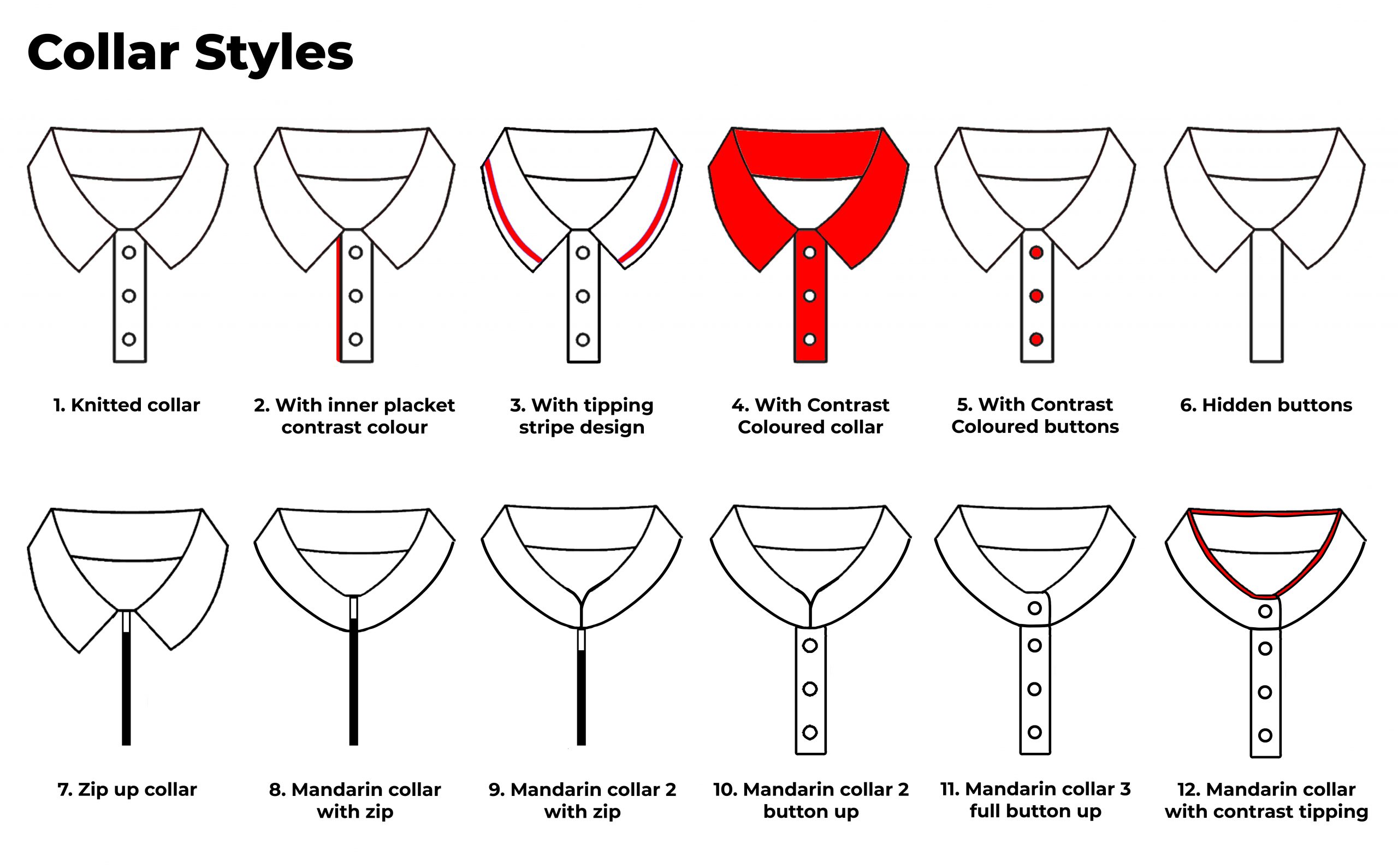
- Cuello ribeteado – describes the signature “ribbed collar” of a polo.
When you ask a sales associate for a specific color, you might say ¿Tiene este polo en azul marino? (“Do you have this polo in navy?”). Adding talla (size) or ajuste (fit) helps narrow the search.
Choosing the Right Fit and Fabric
Spanish‑speaking shoppers often categorize polos by ajuste – slim, regular, or relaxed. A slim fit, or ajuste entallado, hugs the torso and works well under a blazer. A relaxed cut, ajuste amplio, offers more freedom of movement, perfect for weekend outings.
Fabric matters, too. Traditional polo de piqué provides breathability, while a cotton‑blend can add stretch. If you’re heading to a hot coastal town, look for “polo ligero” (lightweight polo) or “polo de lino” (linen polo) for extra airflow.
Styling Tips: From Casual to Smart‑Casual
Once you’ve nailed the language, it’s time to pair your polo with the right pieces. Here are three scenarios you’ll encounter often.
1. La Calle (Everyday Casual)
For a relaxed weekend, pair a camisa polo with dark denim or chinos. Tuck it in for a slightly neater vibe, or leave it untucked for laid‑back charm. Sneakers or loafers keep the look grounded. A light jacket, like a bomber (chaqueta bomber) or a denim jacket, adds layers without bulk.
2. Oficina Informal (Smart‑Casual Office)
Many Spanish‑speaking workplaces accept a polo as business‑casual attire. Opt for a solid, muted color – think navy, charcoal, or burgundy – and pair it with tailored trousers (pantalones de vestir) and leather shoes (zapatos de cuero). A blazer (chaqueta de traje) over the polo instantly upgrades the outfit, creating a polished yet comfortable silhouette.
3. Evento Especial (Summer Evening)
When you need a touch of elegance, choose a polo with subtle detailing: a contrast collar, a fine stripe, or a small embroidered logo. Match it with linen trousers and a pair of suede loafers (mocasines de ante). A thin belt (cinturón delgado) and a classic watch finish the ensemble.
Common Mistakes to Avoid
Even native speakers slip up on the details. Here are pitfalls you can sidestep.
- Calling a polo a “camisa de manga corta” in a formal setting can sound too generic; reserve camisa polo for style‑focused conversation.
- Mixing fabrics that clash – a heavy wool blazer over a lightweight linen polo – looks unbalanced. Keep the weight of each layer compatible.
- Neglecting fit: a polo that’s too tight around the shoulders will pull at the ribete del cuello, creating an unflattering silhouette.
Pronunciation Quick‑Guide
If you’re not a native speaker, practice these key phrases:
- Camisa polo – kah‑MEE‑sah POH‑loh
- Ajuste entallado – ah‑HOOS‑teh en‑ta‑YA‑do
- Cuello ribeteado – KWEH‑yo ree‑beh‑TEH‑ah‑do
A little rehearsal goes a long way when you’re browsing a boutique in Barcelona or chatting about style on a video call.
FAQ
¿Cómo se dice “polo shirt” en español?
Se dice camisa polo o simplemente polo. En tiendas, ambos términos son comunes.
¿Cuál es la diferencia entre “camisa polo” y “polo”?
No hay diferencia de significado; polo es la forma abreviada que se usa en conversación informal.
¿Qué tipo de pantalón combina mejor con un polo para la oficina?
Los pantalones de vestir en colores neutros (gris, azul marino o negro) crean un look profesional sin esfuerzo.
¿Es aceptable usar un polo de colores vivos en reuniones de negocios?
Depende del entorno. En empresas con código de vestimenta casual, un polo de color sólido como azul marino o verde oliva suele estar bien; los tonos neón pueden resultar demasiado llamativos.