How to Track Live Philippine Stock Exchange Updates in Real Time
Why Live Updates Matter for Traders and Investors
When the bell rings on the Philippine Stock Exchange (PSE), prices can swing in minutes. Having live updates means you can see those swings as they happen, rather than catching up after the close. This immediacy helps day traders lock in quick gains, and it gives long‑term investors a clearer sense of market sentiment. In short, real‑time information narrows the gap between expectation and reality.
Core Metrics That Drive the PSE Dashboard
Even if you’re not a finance professor, a few numbers quickly become your compass:
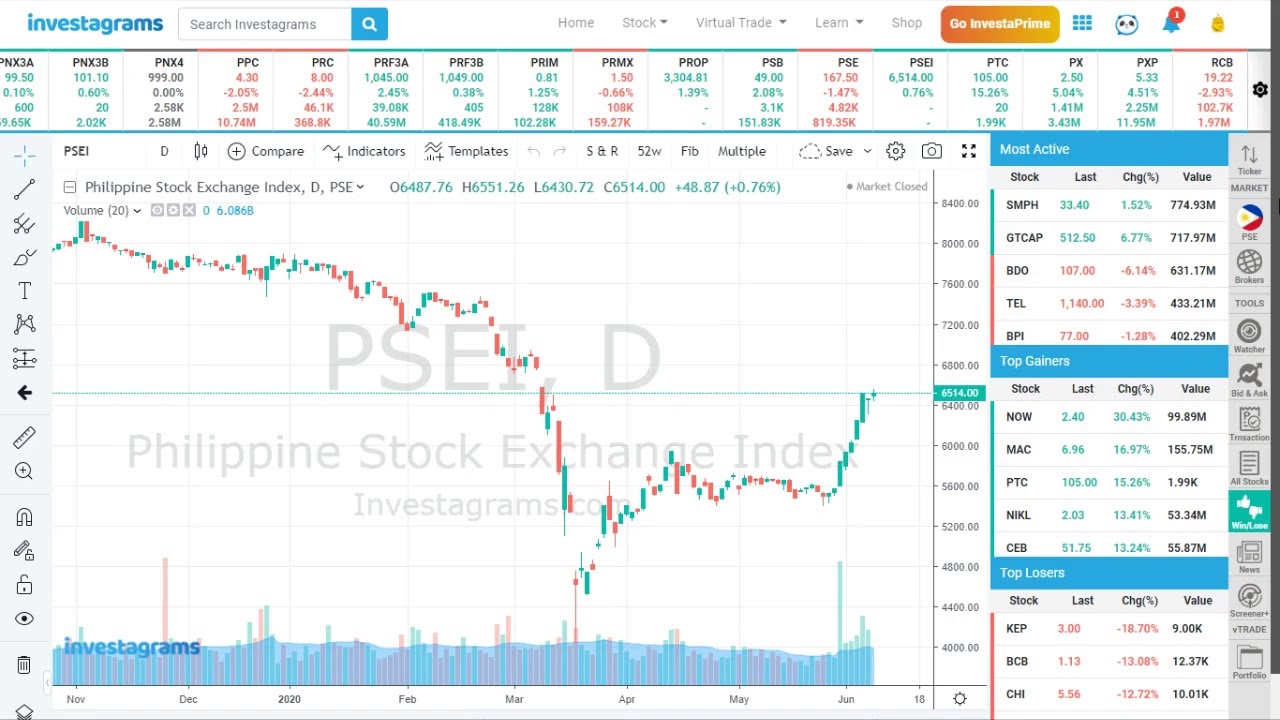
- PSEi – the benchmark index that aggregates the performance of the 30 most liquid stocks.
- Volume – total shares traded, a proxy for market enthusiasm.
- Bid‑ask spread – the gap between buying and selling offers, indicating liquidity depth.
- Sector movers – which industries (e.g., banking, telecom, mining) are leading the rally or the retreat.
Watching these metrics together paints a richer picture than any single figure alone.
Where to Find Reliable Real‑Time Data
Not every website streams the same feed. Here are the most trusted sources for Philippine market enthusiasts:
- PSE Official Website – the “Live Market” tab offers a clean ticker, index chart, and downloadable CSV files.
- Brokerage platforms – most local brokers (e.g., COL Financial, BPI Trade) provide proprietary dashboards that update every few seconds.
- Financial news apps – Bloomberg, Reuters, and local outlets like BusinessWorld have push notifications for major moves.
- Social‑media channels – Twitter accounts of seasoned traders often share snapshot analyses minutes after a price spike.
Pick the tool that matches your workflow; a mobile app for on‑the‑go checks, a desktop platform for deeper charting, or a combination of both.
Interpreting the Noise: From Headlines to Price Action
Live updates alone can feel chaotic, especially when global events spill over into Manila’s market. A practical approach is to ask two questions before reacting:
- Is the move driven by a fundamental change (earnings report, regulatory shift) or a technical trigger (breakout, stop‑loss cascade)?
- Does the news affect a single stock, a sector, or the market as a whole?
For example, a sudden rise in the PSEi after the Bangko Sentral ng Pilipinas announces a rate cut is likely a macro‑level shift. Conversely, a sharp dip in a mining stock after a local environmental permit is denied points to a company‑specific event.
Tips for Individual Investors Using Live Updates
Even if you’re not a day trader, live data can sharpen your long‑term strategy. Consider these habits:
- Set alerts for price thresholds that matter to your portfolio. Most broker apps let you define a “notify me when this stock hits X price.”
- Limit screen time. Watching every tick can lead to overtrading. Designate a short window—perhaps 15 minutes after market open—to scan the headlines, then return to your broader research.
- Cross‑check sources. If a tweet claims a massive profit warning, verify it on the company’s investor relations page before acting.
- Maintain a log. Jot down the reason behind each trade triggered by live news. Over months, patterns emerge that can improve decision‑making.
Common Pitfalls to Avoid
Live updates are powerful, but they also tempt impulsive moves. Here are three mistakes that often catch newcomers off guard:
- Chasing the hype. A sudden surge in volume might be a short‑lived speculative spike rather than a sustainable trend.
- Ignoring fundamentals. Relying solely on price action without checking earnings, debt levels, or management outlook can backfire.
- Over‑reliance on social media. While traders share valuable insights, rumor mills can spread misinformation quickly.
Balancing real‑time data with solid fundamentals keeps you from being swept up in the market’s daily turbulence.
FAQ
Q: How quickly does the PSE publish trade data after a transaction?
A: The exchange updates its ticker within seconds, typically every 2–5 seconds for major stocks. Brokerage platforms may introduce a slight delay of a few seconds due to data routing.
Q: Can I get live PSE updates for free?
A: Yes. The PSE’s official website offers a free live feed, and many financial news apps provide basic real‑time quotes without a subscription. More advanced charting tools often require a paid plan.
Q: Should I base my entire investment strategy on intraday movements?
A: Most individual investors benefit more from a blended approach—using live updates for timing entries or exits while anchoring decisions in longer‑term fundamentals.
Q: What role do global markets play in the PSE’s live movements?
A: International cues—especially U.S. Treasury yields, Asian commodity prices, and regional currency shifts—can ripple through the PSE within minutes, influencing both index and sector performance.