How to Turn a PowerPoint Into a Website Quickly
Ever stared at a slide deck and imagined it could live online, complete with navigation, interactivity, and responsive design? The story of converting a PPT to a website easily begins with that very spark: the desire to share content beyond the confines of a meeting room. Modern tools now let you transform a static PowerPoint into a web‑ready experience without a line of code, and the process is surprisingly straightforward.
Why Move a Presentation Online?
First, consider the audience. A web page can be accessed on any device, from a desktop to a phone, without the need for PowerPoint software. This opens the door to broader reach, better SEO, and the ability to embed videos, forms, or live data directly into the narrative. Moreover, a website preserves the visual storytelling of a deck while allowing viewers to jump to sections at their own pace—a flexibility that static slides often lack.
Beyond reach, there’s the practical side: updates become instant. Change a chart or tweak a headline, hit “save,” and every visitor sees the latest version. No more emailing revised files or tracking version history across email threads.
Choosing the Right Conversion Tool
Not all solutions are created equal. Some focus on a simple upload‑and‑go workflow, while others offer deeper customization. Here are three categories to consider:
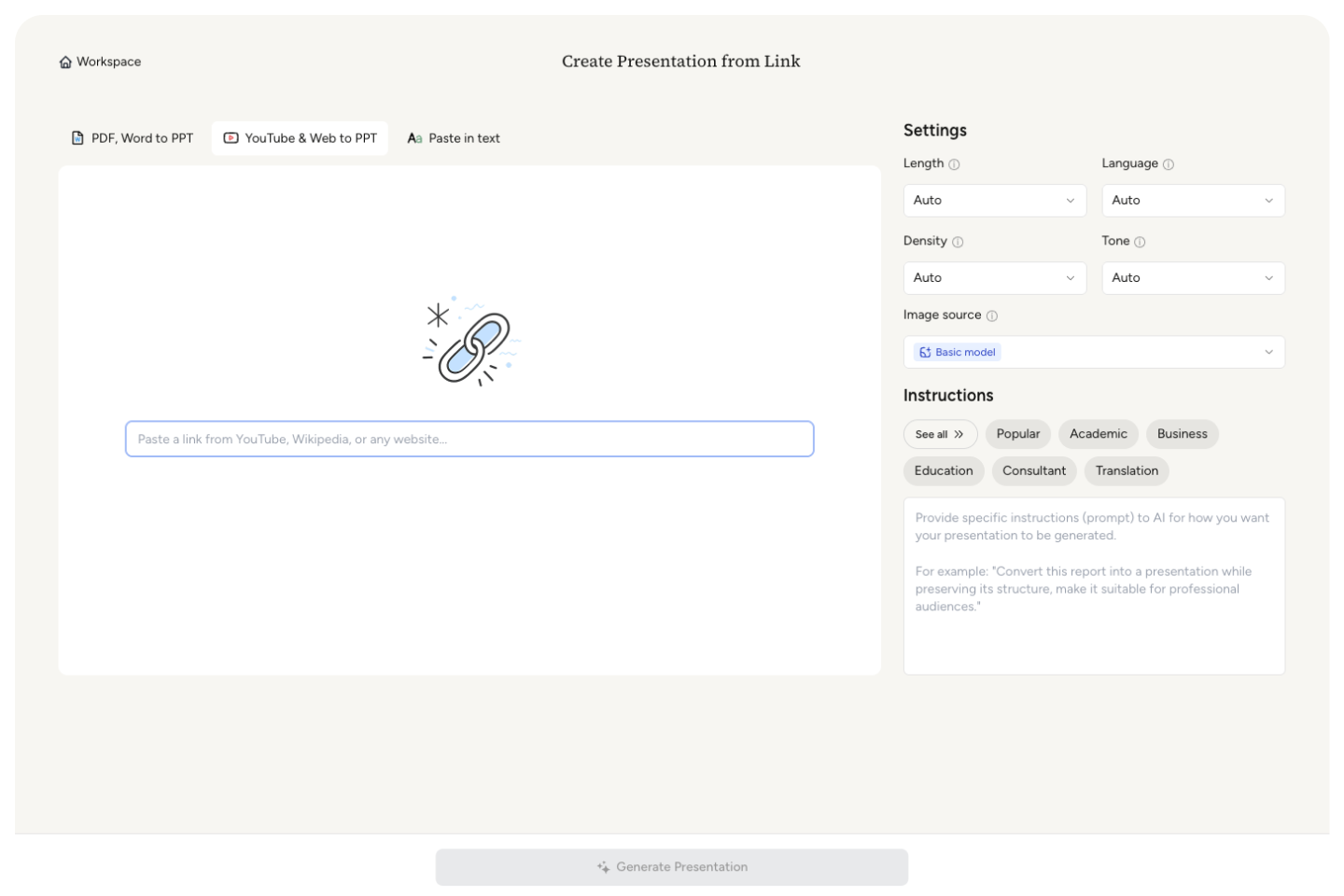
- Dedicated PPT‑to‑Web services. Platforms like SlideHTML or Visme let you import a .pptx file and automatically generate HTML pages. They handle basic animations and transitions, and often provide a built‑in editor for tweaking layout.
- Presentation‑focused website builders. Tools such as Google Slides combined with Sites or Microsoft Sway let you embed slides directly into a web page, adding interactive elements with minimal effort.
- Manual export + CMS. For full control, you can export slides as images or PDFs, then build a site in WordPress, Webflow, or similar. This route demands a bit more design work but yields the most flexible results.
The “easily” part hinges on matching your skill set to the tool’s complexity. If you’re comfortable with drag‑and‑drop editors, a dedicated service will likely be the fastest path.
Step‑by‑Step: From Deck to Live Site
Below is a practical workflow that works with most online converters:
- Clean up your PowerPoint. Remove placeholder text, ensure images are high‑resolution, and keep animation simple—complex transitions often don’t translate well to the web.
- Export to a compatible format. Most services accept .pptx directly, but some ask for a PDF or a set of PNG/JPEG slides. Choose the option that preserves clarity.
- Upload to the conversion platform. Follow the site’s prompts; the tool will parse each slide, generating corresponding HTML sections.
- Adjust the layout. Use the built‑in editor to tweak font sizes, add navigation links, or embed multimedia. This is where you can turn a linear deck into a multi‑page site.
- Set a domain or subdomain. Many services provide a temporary URL. Point your own domain to it for a polished look.
- Publish and test. Open the site on different browsers and devices. Look for broken links, misaligned images, or slow‑loading elements, and fix them before sharing.
Once live, you can track visitor metrics through Google Analytics or built‑in dashboards, giving you insight into which sections engage readers the most.
Tips for Making the Web Version Shine
Even a perfect conversion can fall flat if the user experience isn’t considered. Keep these pointers in mind:
- Responsive design. Ensure that slide content stacks vertically on narrow screens. Most converters automatically apply a mobile‑friendly layout, but double‑check that text remains readable.
- Load speed. Optimize images by compressing them without sacrificing quality. Large background graphics can dramatically increase page load time, especially on cellular connections.
- Clear navigation. Add a sticky menu or “back to top” button so visitors can jump between sections without scrolling endlessly.
- Interactive elements. Replace static charts with embed‑able data visualizations (e.g., Google Charts) when possible. This adds a layer of interactivity that a PowerPoint can’t provide.
Common Pitfalls and How to Avoid Them
First‑time users often run into a few stumbling blocks. One frequent issue is the loss of animation fidelity; complex entrance effects may appear as static images. To mitigate this, simplify animations before conversion or use the platform’s custom animation tools after upload.
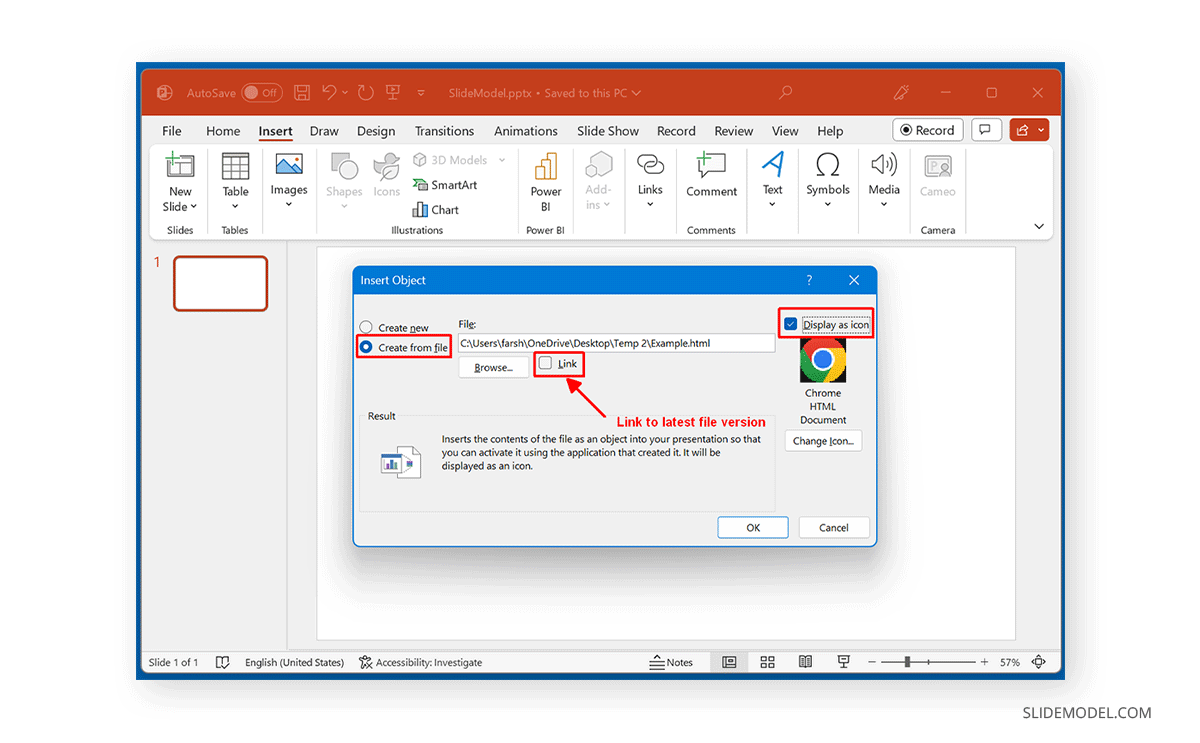
Another snag is broken links. Hyperlinks that worked in the original deck sometimes point to local file paths rather than URLs. Before publishing, run a quick audit of all links and replace any that reference “C:\…” with proper web addresses.
Finally, be mindful of licensing. Some stock photos or icons embedded in a PowerPoint may have usage restrictions that don’t extend to web publishing. Swap them out for royalty‑free alternatives if you’re unsure.
FAQ
Can I convert a PowerPoint to a website for free?
Yes, several services offer free tiers that let you upload a limited number of slides and publish to a subdomain. However, free plans often include branding or limit custom domain usage, so you may need a paid upgrade for a fully professional look.
Do I need any coding knowledge to edit the site after conversion?
Not at all. Most converters provide a visual editor where you can drag, drop, and edit text directly. If you opt for the manual export route, basic HTML/CSS skills become useful but aren’t strictly required.
Will my website be SEO‑friendly?
Generally, yes. The generated HTML includes proper heading tags and alt text for images, which search engines can crawl. For best results, add unique meta titles and descriptions for each page, and consider integrating a sitemap.
Can I update the website automatically when I change the PowerPoint?
Some platforms sync changes; you simply re‑upload the revised deck, and the site updates instantly. Others require you to replace the content manually. Check the feature list of your chosen tool before committing.