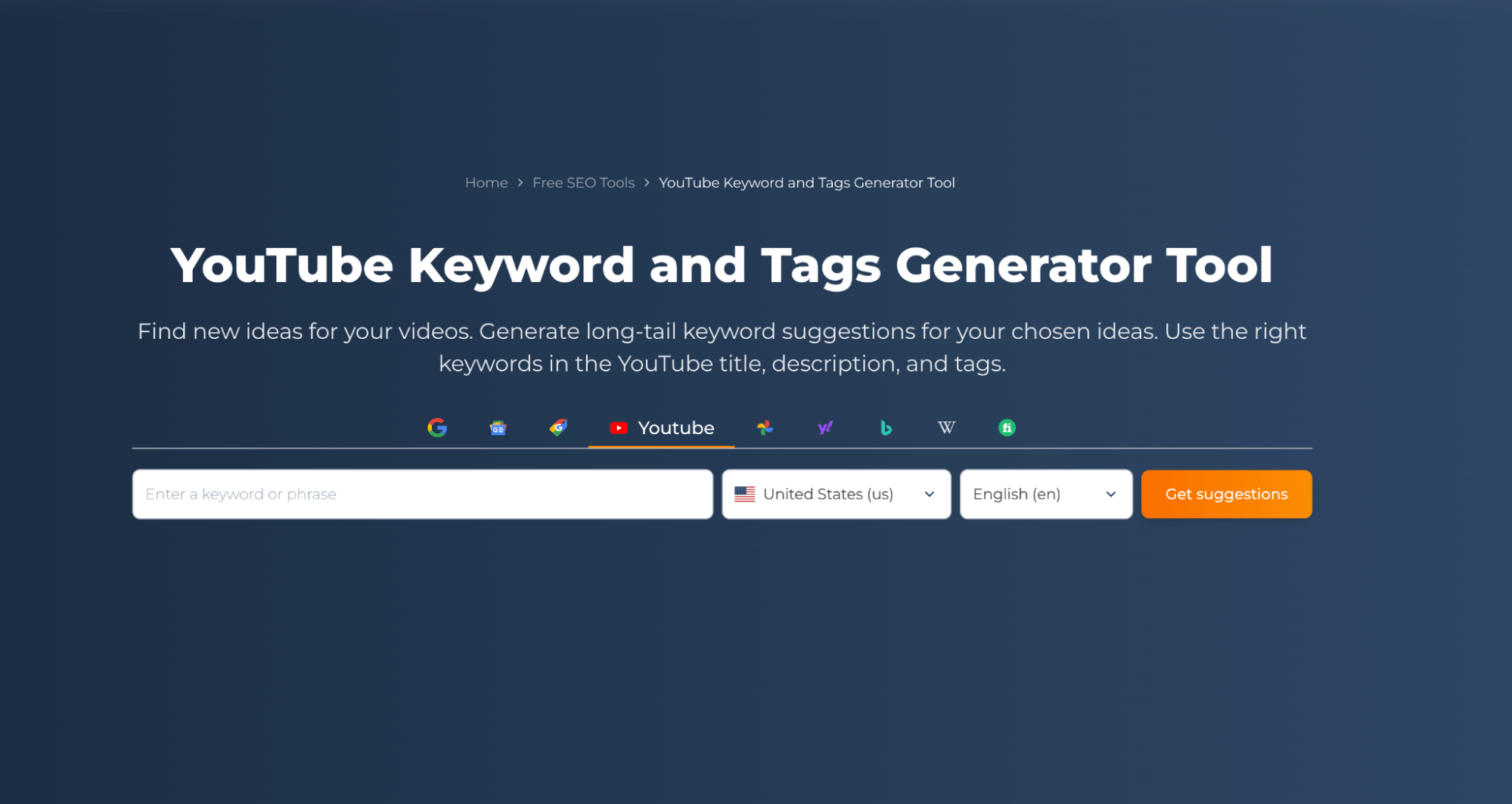
How to Use a YouTube Keyword Generator to Pinpoint Your Niche
Why Keywords Matter on YouTube
Every successful channel starts with a clear signal to both viewers and the platform: the topics it covers. When you embed the right terms in titles, tags, and descriptions, YouTube’s algorithm can match your videos to people actively searching for that content. In other words, a well‑chosen keyword set becomes the bridge between your creative ideas and the audience that’s already looking for them.
Because the platform is driven by search as much as by recommendations, neglecting keywords is like shouting in an empty room. A YouTube keyword generator tool helps you hear the conversation already happening and join it with confidence.
What a YouTube Keyword Generator Tool Actually Does
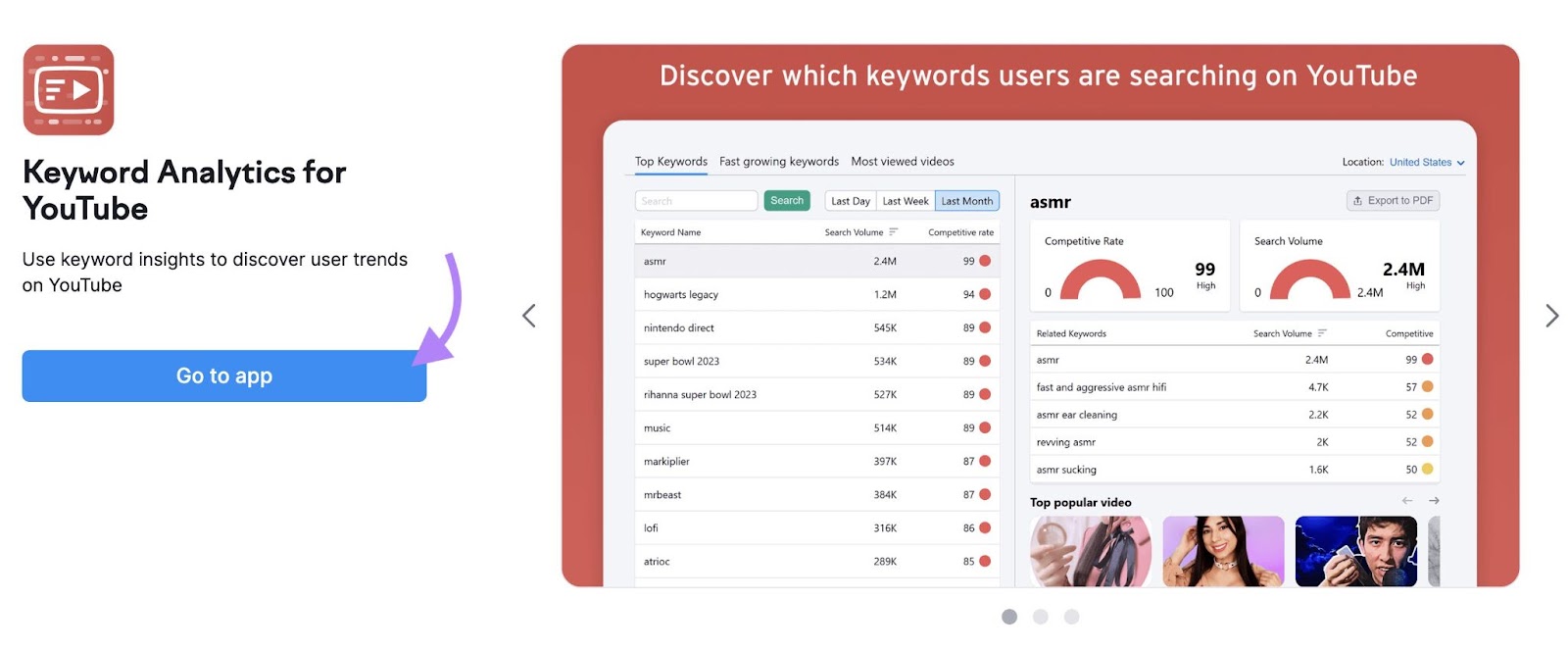
At its core, the tool scrapes YouTube’s own data—search volume, related queries, and competition levels—to surface terms that users type into the search bar. It then ranks those terms, often providing a quick “difficulty” score that tells you how hard it might be to rank for each phrase.
Most generators go a step further, suggesting long‑tail variations (e.g., “how to edit gaming videos for beginners”) that are less saturated but highly specific. Those gems can become the cornerstone of a niche that feels both fresh and searchable.
Choosing the Right Tool for Your Channel
- Free options: TubeBuddy’s basic keyword explorer, VidIQ’s limited plan, and the free tier of Keyword Tool.io all give you a taste of search volume and related terms without a price tag.
- Paid solutions: Full‑featured versions of TubeBuddy, VidIQ, and Ahrefs’ YouTube module provide deeper competition analysis, trend graphs, and bulk export capabilities.
- User interface matters: Look for clear visual cues—bars for volume, sliders for difficulty—so you can compare options at a glance.
- Integration: Some tools embed directly into the YouTube Studio dashboard, letting you tag videos without switching tabs.
Step‑by‑Step: Using a Generator to Find a Viable Niche
Step 1: List seed ideas. Start with broad interests—gaming, cooking, tech reviews—and jot down a handful of words that describe what excites you.
Step 2: Feed those seeds into the generator. Enter “gaming setup” or “quick pasta recipes” and watch the tool spit out related queries.
Step 3: Filter by volume and competition. Aim for terms with at least a few thousand monthly searches but a moderate difficulty score (usually under 40 on a 0‑100 scale).
Step 4: Spot patterns. If multiple high‑volume queries cluster around “budget gaming chairs,” that cluster hints at a sub‑niche you could own.
Step 5: Validate with Google Trends. Plug the top candidates into Google Trends to see if interest is rising, flat, or declining.
Interpreting the Data: Search Volume, Competition, and Intent
High search volume looks attractive, but it often means fierce competition. A term like “gaming laptop review” attracts thousands of established channels, making it hard for a newcomer to break through. Conversely, “gaming laptop battery life for students” carries lower volume yet signals a clear user intent—someone wants practical advice, not just a generic review.
Look for a balance: decent monthly searches, a competition score that suggests a few but not dozens of dominant creators, and a clear intent that matches the type of content you enjoy making.
Testing Your Niche Before You Commit
Before you overhaul your channel, create a pilot video that targets one of your shortlisted keywords. Use the same title, tags, and thumbnail style the generator recommends, then monitor performance for a week.
Key metrics to watch are click‑through rate (CTR), average watch time, and early subscriber growth. If the video outperforms your usual content, you’ve likely found a sweet spot worth expanding.
Common Pitfalls and How to Avoid Them
- Chasing trends without genuine interest—viewers quickly sense lack of passion, leading to high bounce rates.
- Relying solely on one keyword; diversification across several related terms protects you if the algorithm shifts.
- Ignoring thumbnail and title quality—keywords help discovery, but visual appeal seals the click.
- Overlooking audience feedback; comments often reveal sub‑topics you missed in the data.
Bonus: Combining Keyword Research with Audience Insights
Analytics tools like YouTube Studio’s “Audience” tab show demographics, watch time, and traffic sources. Cross‑reference this with your keyword list: if a sizable portion of viewers are teens, a niche like “budget-friendly DIY gaming rigs” might resonate better than a high‑end tech focus.
Similarly, community posts or polls can validate whether the language you plan to use aligns with your viewers’ preferences. The more you blend hard data with human feedback, the sturdier your niche foundation becomes.
Frequently Asked Questions
What’s the difference between a short‑tail and a long‑tail keyword on YouTube?
Short‑tail keywords are broad (e.g., “gaming”), pulling massive search volume but also massive competition. Long‑tail keywords are more specific phrases (e.g., “budget gaming chair for small spaces”) that attract fewer searches yet often have higher conversion because they match a precise need.
Can I rely on a free keyword generator for accurate data?
Free tools give a decent overview but may limit search volume granularity or omit competition scores. For a growing channel, upgrading to a paid plan can uncover hidden opportunities and provide more reliable metrics.
How often should I refresh my keyword list?
Trends shift quickly, especially in fast‑moving categories like tech or fashion. A quarterly review—plus a quick check whenever you notice a dip in views—helps keep your content aligned with evolving search habits.
Do keywords affect YouTube’s recommendation engine?
Yes, indirectly. Accurate tags and titles help the algorithm understand your video’s topic, which in turn influences whether it appears in “Up Next” or on the home page for users with related interests.