How to Use the 1688 App for Smart Wholesale Sourcing in China
If you’ve ever stared at a spreadsheet full of potential products and wondered where to find the best prices, the 1688 app is worth a closer look. Built by Alibaba Group for the domestic Chinese market, it hosts millions of manufacturers and wholesalers who often sell at rates lower than those found on the international Alibaba site. For savvy importers, a little know‑how can turn that massive marketplace into a reliable sourcing channel.
What Is the 1688 App and Who Uses It?
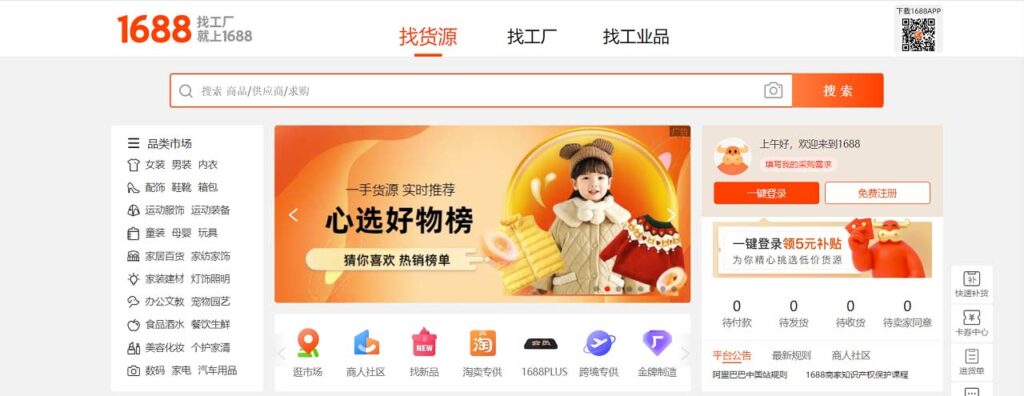
Unlike its sister platform Alibaba.com, which caters to overseas buyers, the 1688 app (formerly 1688.com) is designed primarily for Chinese retailers and small‑batch manufacturers. The app’s interface is in Mandarin, and most listings assume the buyer speaks Chinese. That language barrier is the biggest hurdle for foreign entrepreneurs, but it also means you’re accessing a pool of products that haven’t yet been marked up for export.
Typical users include:
- Small‑scale e‑commerce sellers looking for low‑MOQ (minimum order quantity) items.
- Brand owners seeking private‑label manufacturers.
- Drop‑shippers who want to test new products without committing to large inventory.
Setting Up a 1688 Account as an International Buyer
Getting started is simpler than you might think. First, download the 1688 app from the App Store or Google Play. The registration process asks for a Chinese mobile number, which can be bypassed using a virtual number service that provides a temporary SMS code.
After you verify the code, you’ll create a username and password. The app will prompt you to fill out a profile, but you can skip most fields if you’re not planning to sell within China. Remember to enable two‑factor authentication if you have a Chinese number; it adds a layer of security when you start placing orders.
Navigating the Platform: Search, Filters, and Product Pages
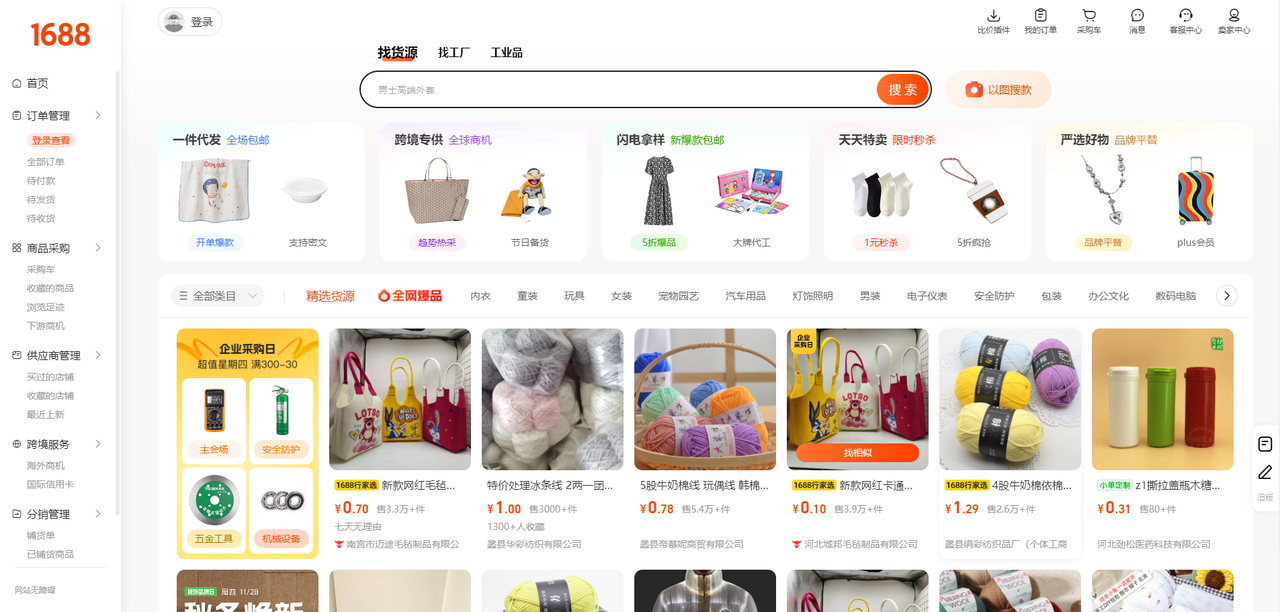
Search on 1688 works best with specific Chinese keywords. If you don’t speak Mandarin, a quick Google Translate check can turn “leather wallet” into “皮革钱包”. Paste the translation into the search bar, and you’ll see a long list of manufacturers, each with a thumbnail, price range, and MOQ.
Filters let you narrow results by:
- Price (per piece or per set)
- MOQ (some sellers will accept a single unit if you explain your situation)
- Location (province or city, useful for estimating shipping times)
- Verified status (a small badge indicates the seller has passed Alibaba’s verification)
On a product page, pay attention to the “成交量” (transaction volume) and “好评率” (positive feedback rate). High numbers usually signal a reliable supplier, but also read through recent buyer comments—those often reveal hidden fees or shipping quirks.
Communicating with Suppliers and Managing Orders
Message the supplier directly through the in‑app chat. If you’re not comfortable typing in Mandarin, copy the chat window into a translation app and paste the English response back in. Most sellers appreciate a polite greeting and a brief introduction of your business.
When you negotiate, be clear about:
- Desired quantity and whether you can accept a lower MOQ for a test run.
- Packaging requirements (e.g., whether you need individual poly bags).
- Delivery timeline and preferred logistics partner.
Once terms are agreed, the supplier will send you a “订单” (order) link. Confirm the details, then move to the payment stage.
Payment Options and Logistics Tips
The most common payment methods on 1688 are Alipay and WeChat Pay, both of which require a Chinese bank account. Many foreign buyers work around this by using a third‑party sourcing agent who can receive the funds on your behalf and release them to the supplier after you confirm receipt.
If you prefer to handle payments yourself, consider using a cross‑border service like Payoneer, which can fund an Alipay account. Always ask the supplier whether they accept escrow—this protects both parties by holding the money until the goods pass inspection.
Shipping from 1688 usually involves two steps: domestic freight to a Chinese port, then an international carrier to your warehouse. Consolidated sea freight is cost‑effective for larger orders, while air freight suits urgent, low‑volume shipments. Keep an eye on “运费” (shipping cost) on the order page; some sellers bundle it into the product price, others list it separately.
Common Pitfalls and How to Avoid Them
Even with careful planning, new buyers stumble over a few recurring issues:
- Hidden fees: Some listings exclude taxes, customs duties, or packaging. Request a full cost breakdown before confirming.
- Language misunderstandings: A mistranslated specification can lead to the wrong color or size. Double‑check every detail with the supplier and ask for product photos of the exact unit you’ll receive.
- Quality assurance: Without a local inspection service, you risk receiving subpar goods. Many sourcing agents offer pre‑shipment inspections for a modest fee.
- Payment risk: Never send money outside the platform’s protected channels unless you have an established relationship.
By staying organized—keeping a spreadsheet of supplier contacts, order dates, and payment confirmations—you’ll minimize surprises and build trust with reliable manufacturers over time.
FAQ
What is the 1688 app used for?
The 1688 app is a Chinese‑language wholesale marketplace where manufacturers and local retailers list products at domestic prices, making it a valuable source for international buyers seeking lower MOQs and better margins.
Can I pay on 1688 without a Chinese bank account?
Yes. Many foreign sellers use third‑party agents who accept Alipay or WeChat Pay on their behalf, or they employ cross‑border payment services such as Payoneer to fund an Alipay account.
Is it safe for overseas businesses to order from 1688?
Generally, it is safe if you verify the supplier’s “已认证” badge, use escrow or a reputable sourcing agent, and request a pre‑shipment inspection. Treat each transaction like any other international trade deal—do your due diligence.
How do I find English‑speaking suppliers on 1688?
While most listings are in Mandarin, you can filter by “英文客服” (English customer service) or search for keywords like “English” in the product title. Alternatively, many agents specialize in bridging the language gap and can handle communication for you.