How to Use the Jumia Seller Center App to Grow Your Online Business
If you’ve ever wondered how to turn a handful of products into a thriving e‑commerce venture, the Jumia Seller Center App is worth a closer look. This mobile hub lets you list items, track orders, and chat with buyers—all from the palm of your hand. Below, we walk through every step you need to start selling on Jumia, from the first download to scaling your storefront.
Getting Started with the Jumia Seller Center App
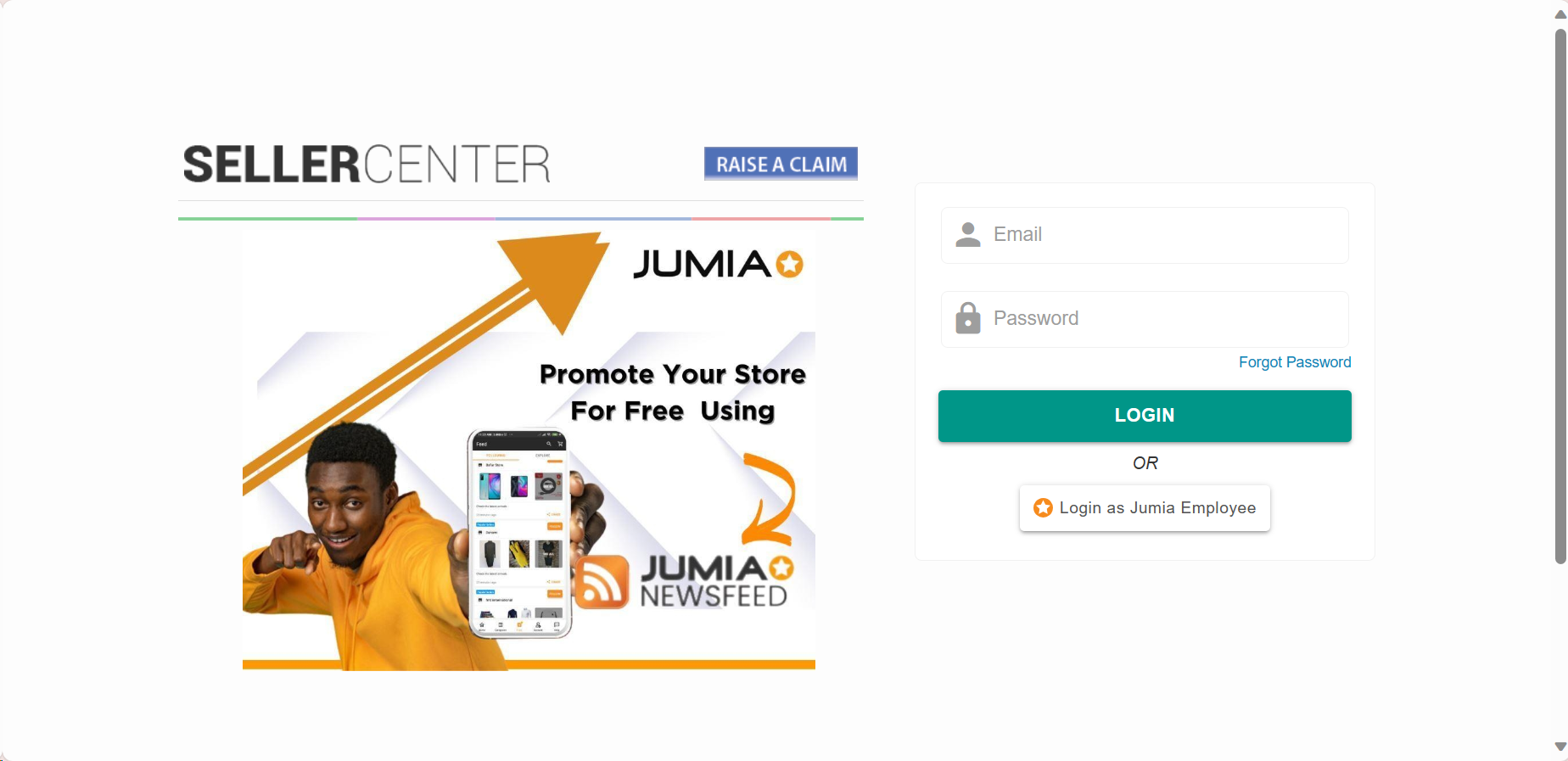
Before you can showcase your merchandise, you’ll need the app itself. It’s available for both Android and iOS, and the installation process mirrors any other consumer app. Once installed, the next move is to set up a seller account, which requires a few business details and verification documents.
Downloading and Installing
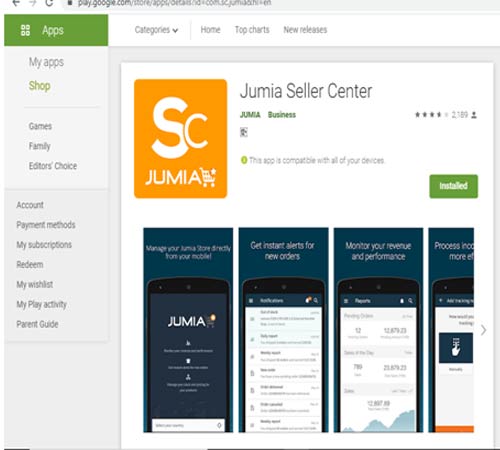
- Visit the Google Play Store or Apple App Store and search “Jumia Seller Center”.
- Tap “Install” and wait for the download to complete—typically under two minutes on a decent connection.
- Open the app and grant permissions for notifications and location (useful for logistics).
Creating Your Seller Account
The registration wizard asks for your business name, tax ID, and a bank account for payouts. You’ll also upload a clear photo of a government‑issued ID and a recent utility bill to confirm your address. After a brief review—often completed within 24 hours—your account becomes active, and you can start adding products.
Key Features Every Seller Should Know
While the interface feels familiar, several tools set the Jumia Seller Center App apart from generic marketplaces. Mastering these will save you time and boost sales.
- Bulk Upload: Use a CSV template to list dozens of items in one go, rather than typing each SKU manually.
- Real‑time Inventory Sync: Stock levels update automatically across Jumia’s website and mobile app, reducing the risk of overselling.
- Pricing Controls: Set promotional discounts, flash sales, or dynamic pricing rules directly from the dashboard.
- Analytics Dashboard: View traffic, conversion rates, and top‑selling categories at a glance.
- In‑App Messaging: Respond to buyer questions instantly, which often translates to higher seller ratings.
Optimizing Your Listings for Better Visibility
Jumia’s internal search algorithm favors detailed, keyword‑rich listings. Start with a concise title that includes the main product name and a distinguishing feature. Follow up with a bullet‑point description that highlights size, material, and key benefits. High‑resolution photos—at least three per item—should be taken on a neutral background and show the product from multiple angles.
Don’t forget to select the most accurate category and sub‑category; misplacements can hide your items from interested shoppers. Finally, enable the “Free Shipping” badge when possible—buyers often filter for cost‑free delivery, and Jumia promotes those listings more prominently.
Managing Orders and Customer Service
When a purchase lands in your inbox, the app notifies you instantly. Accept the order, pack the items securely, and schedule a pickup with Jumia’s logistics partner, or arrange a drop‑off at an approved hub. The platform tracks each shipment, and you can view the status from “Processing” to “Delivered”.
Customer service isn’t just about answering queries; it’s about building trust. Promptly address returns, offer refunds per Jumia’s policy, and ask satisfied buyers to leave a rating. Positive reviews improve your seller score, unlocking better placement in search results.
Tips for Scaling Your Jumia Store
Once you’ve nailed the basics, consider these growth strategies:
- Expand Your Catalog: Use the bulk upload feature to add complementary products that appeal to your existing customer base.
- Leverage Promotions: Participate in Jumia’s seasonal sales events—like Black Friday or “Back to School”—to tap into heightened traffic.
- Invest in Advertising: Sponsored product slots within the app can boost visibility for high‑margin items.
- Analyze Performance: Regularly review the analytics dashboard to identify best‑selling SKUs and prune underperformers.
- Automate Replenishment: Set low‑stock alerts so you never run out of fast‑moving inventory.
Frequently Asked Questions
Do I need a separate Jumia storefront to use the Seller Center App?
No. The app integrates directly with Jumia’s marketplace, turning your seller profile into a full‑featured storefront without extra setup.
Can I sell both new and used items through the app?
Yes, but each category has its own policy. New products require brand‑new condition tags, while used items must be listed under the “Pre‑Owned” category and meet specific quality standards.
How does Jumia handle payments and payouts?
Customers pay via Jumia’s secure checkout. After a standard 7‑day holding period—designed to cover potential returns—the platform transfers funds to the bank account you provided during registration.
Is there a limit to how many products I can list?
There’s no hard cap for most sellers, but high‑volume merchants may be asked to provide additional documentation to ensure compliance with Jumia’s policies.