How to Write an Obituary With Compassionate Support and Practical Guidance
When a loved one passes, the first tasks often feel overwhelming. Among them, crafting an obituary is one of the most emotional yet essential steps. This article offers practical advice, resources, and emotional support tips to help you create a heartfelt memorial that honors their life and serves the community.
Understanding the Purpose of an Obituary
An obituary is more than a notice; it is a public celebration of a life lived. It informs friends, family, and colleagues of the passing, provides details for memorial services, and offers a space for shared grief and remembrance. Knowing this purpose guides tone, content, and structure.
Gathering Key Information Before You Write
Start by collecting facts: full name, age, dates, place of birth, and any notable achievements. Don’t forget contact details for funeral arrangements, donation links, and RSVP information. Having this data at hand reduces the stress of pulling details from memory.
Choosing a Tone That Reflects the Person
Some prefer a formal, dignified style, while others opt for a warm, anecdotal tone. Consider the individual’s personality, faith, or cultural background. A balanced obituary might weave in a favorite quote, a short story, or a cherished memory to make the tribute truly personal.
Structuring the Obituary
- Headline: Usually the name followed by a short descriptor, e.g., “John A. Miller, 72, Beloved Father and Pilot.”
- Opening Paragraph: State the date of death, age, and immediate cause if desired.
- Life Summary: Highlight education, career, hobbies, and community involvement.
- Family Section: List immediate relatives, survivors, and predeceased loved ones.
- Memorial Details: Provide service date, location, and any special requests.
- Closing Note: Offer a final reflection, a favorite quote, or an invitation to share memories online.
Sample Paragraphs
“John served as a flight instructor for 30 years, inspiring countless pilots. He loved woodworking, often spending weekends crafting birdhouses for the local wildlife center.”
“Survivors include his daughter, Emily, and son, Mark, both of whom cherish their father’s stories of adventure.”
When to Seek Professional Help
If grief feels unmanageable or the writing process feels too daunting, professional obituaries writers can offer a polished, respectful narrative. Many funeral homes provide writers who have experience with sensitive language and formatting.
Legal and Privacy Considerations
Ensure you have permission from family members before publishing names and details. Avoid releasing personal medical information unless the family consents. When publishing online, check platform privacy settings.
Using Digital Platforms Wisely
Obituaries now appear on social media, obituary websites, and funeral home sites. Each platform has its own character limits and formatting options. Keep the core message consistent while adapting to platform constraints.
Including Donations and Memorial Gifts
Many families prefer charitable donations over flowers. Provide clear instructions and links to reputable organizations. This approach respects the deceased’s values and eases the grieving process for relatives.
Creating an Obituary Template
Drafting a template helps streamline future updates. Save the structure in a document, then fill in specific details. This method also ensures that important sections, such as the memorial notice, are never omitted.
Emotional Support Resources
- Support Groups: Local bereavement groups or online forums can provide comfort.
- Counseling Services: Licensed therapists specialize in grief counseling.
- Books and Articles: Read about coping mechanisms and healing practices.
- Grief Apps: Mobile applications offer daily affirmations and journaling prompts.
Tips for Writing in a Grieving Mindset
Take breaks. Write a section, step away, then return with fresh eyes. Ask a trusted friend to review the obituary for clarity and tone. Remember, the piece can be edited before final publication.
FAQs About Obituary Writing and Support
- What is the typical length of an obituary? Most obituaries range from 200 to 400 words, but longer, more detailed pieces are also acceptable.
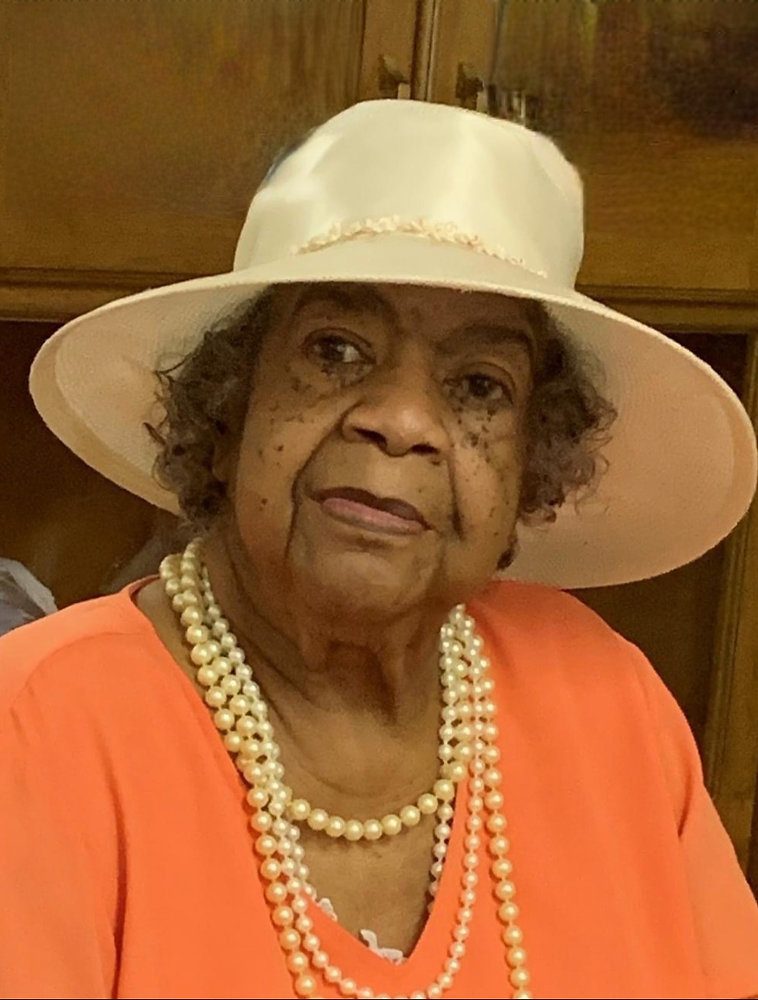
- Can I include a photo in the obituary? Yes; a clear, respectful image of the deceased is often appreciated.
- Do I need to mention the cause of death? It is optional; many families choose not to disclose it.
- Where can I find a professional obituary writer? Funeral homes, local newspapers, or online obituary services often provide writing assistance.