How Trump, Russia, and China Stack Up in the Military Spending Race
The Trump-Era U.S. Defense Budget
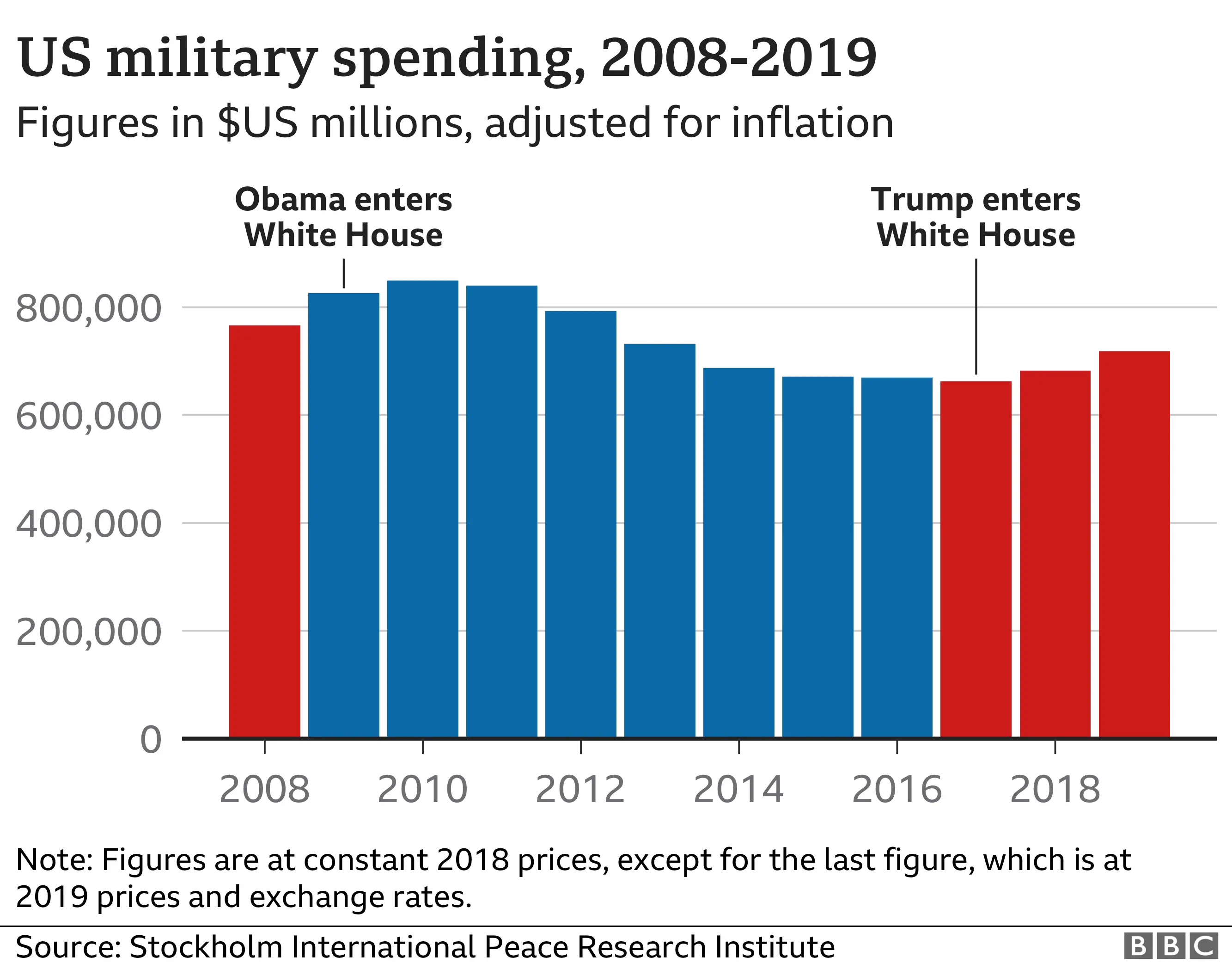
During Donald Trump’s presidency, the United States pushed defense spending to historic highs. By the end of the fiscal year 2020, the Pentagon’s budget hovered around $750 billion, a figure that eclipsed the combined military outlays of the next two largest spenders. The administration justified the surge with a “peace dividend” narrative—arguing that a stronger deterrent would keep potential rivals at bay.
Key drivers included a renewed focus on modernizing the nuclear triad, expanding the fleet of fifth‑generation aircraft, and funding a rapid buildup of the Space Force. While the headline number was impressive, a sizable share went to routine personnel costs and legacy platforms that the military was already planning to retire.
Russia’s Defense Funding in the Current Era
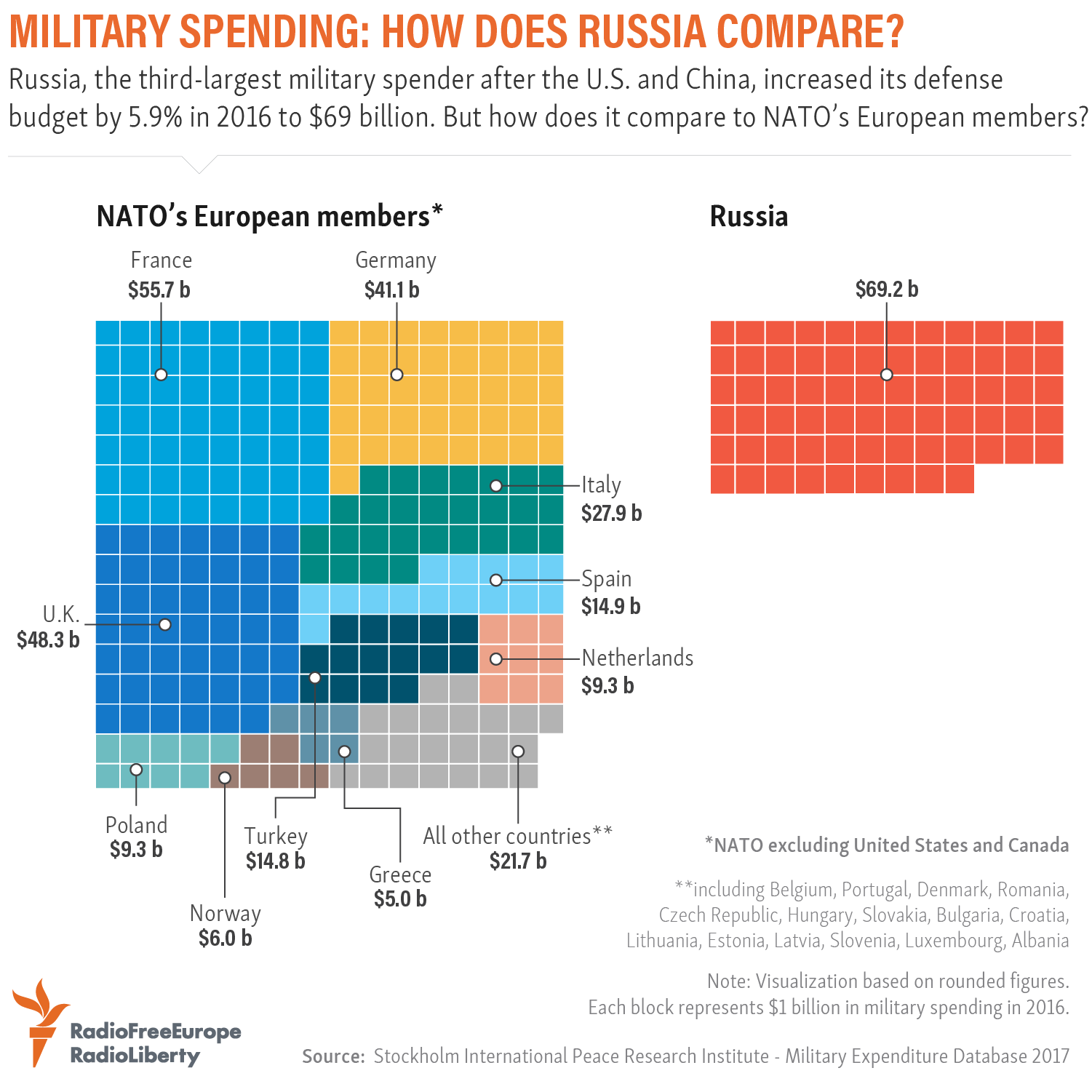
Russia’s military budget remains a fraction of America’s, yet it has shown a steady upward trend over the past decade. Estimates from SIPRI place the 2023 budget at roughly $75 billion, a modest increase that reflects Moscow’s emphasis on modernizing its strategic forces.
Investments have concentrated on new hypersonic weapons, upgraded air‑defence systems, and a revitalized navy that can operate beyond the Arctic. Unlike the United States, Russia’s spending is heavily weighted toward maintaining existing capabilities rather than launching large‑scale procurement programs.
China’s Rapid Military Expansion
China’s defense budget has been the fastest‑growing among the three powers. Official figures released by Beijing for 2023 reported around $250 billion, though independent analysts suspect the true number may be somewhat higher due to opaque accounting practices.
The Chinese military’s priorities are clear: expand carrier groups, develop advanced missile systems, and invest heavily in artificial‑intelligence‑enabled platforms. This aggressive buildup is part of a broader strategy to assert regional dominance, especially in the contested South China Sea.
Comparing the Numbers: Who’s Spending More?
When the three budgets are placed side by side, the United States still outpaces its rivals by a wide margin—spending roughly three times more than China and ten times more than Russia. However, the gap is narrowing in relative terms.
- Growth Rate: China’s annual increase consistently outpaces both the U.S. and Russia, often exceeding 6 % year‑over‑year.
- Strategic Focus: The U.S. emphasizes global power projection, Russia concentrates on strategic deterrence, and China leans toward regional hegemony.
- Efficiency Concerns: Critics argue that higher spending does not automatically translate into superior capabilities; procurement delays and legacy system costs can dilute the impact of raw dollars.
Implications for Global Security
Higher defense budgets can be a double‑edged sword. On one hand, they enable the development of cutting‑edge technologies that may deter aggression. On the other, they fuel an arms race that pressures smaller nations to choose sides or increase their own spending.
For policymakers, the challenge lies in balancing fiscal responsibility with the need to maintain credible deterrence. The Trump‑era spending surge demonstrated that political will can dramatically reshape the defense landscape, but it also sparked debates about opportunity costs in domestic programs.
FAQ
What was the peak U.S. defense budget under Trump?
The highest annual figure reached during Trump’s tenure was about $750 billion, set in fiscal year 2020.
How does China’s military spending growth compare to Russia’s?
China’s budget has been expanding at roughly 6 % per year, while Russia’s growth rate has been closer to 2‑3 %.
Are the reported Chinese defense numbers reliable?
Official Chinese figures are transparent, but many analysts suspect additional spending is concealed under other budget categories, making precise assessments difficult.
Will the U.S. continue to outspend China and Russia?
Current trends suggest the United States will retain the largest absolute budget, yet the relative gap may shrink if China’s growth remains robust and U.S. spending plateaus.