Ice Skates vs. Rollerblades: Which Is Better for Your Fitness Goals?
When it comes to deciding between ice skates and rollerblades, many beginners wonder which is best for staying active, building strength, and having fun. Both sports promise a blend of cardio and balance work, yet the surfaces, techniques, and gear differ enough to sway your choice one way or the other. Below we break down the key factors—performance, learning curve, practicality, and cost—so you can match the right wheels (or blades) to your lifestyle.
Ice Skates vs. Rollerblades: Performance and Muscle Engagement
On the ice, the thin blade glides over a low‑friction surface, forcing you to generate power from the inside of the leg. The primary movers are the quadriceps, glutes, and hamstrings, while the calves and ankle stabilizers work overtime to keep the blade steady. Because you’re constantly shifting weight from edge to edge, core muscles—especially the obliques—get a subtle but continuous workout.
Rollerblades, by contrast, roll on rubber or polyurethane wheels that provide more traction than ice but still demand a strong push‑off. The motion emphasizes the hip abductors and adductors as you keep the wheels aligned, and the calf muscles stay active for balance. While you still engage the same lower‑body groups, the slightly higher resistance can feel more like a brisk jog than a glide, making rollerblading a solid cardio alternative for those who prefer pavement.
Learning Curve and Skill Development
Ice skating often feels like stepping onto a slippery floor for the first time. Beginners usually need a few sessions to master the “snowplow” stop and basic balance. The learning curve can feel steep, but once you’ve nailed the basic stance, progression to turns and jumps comes relatively quickly.
Rollerblading tends to be more forgiving for newcomers because the wheels grip the ground, reducing the fear of an uncontrolled slide. However, mastering the “T‑stop” or “power slide” still requires practice. Many find that after a handful of rides they can confidently navigate city streets, whereas ice skating might demand a season of regular rink time to reach comparable confidence.
Key Skill Takeaways
- Balance: Both disciplines sharpen proprioception, but ice skating forces finer ankle adjustments.
- Turn Technique: Ice skates rely on edge control; rollerblades depend on weight shifting across the wheels.
- Stopping: The snowplow stop on ice versus the T‑stop or heel brake on rollerblades each have a distinct learning step.
Practical Considerations: Gear, Surface, and Safety
Before you buy, think about where you’ll actually use the equipment. Ice rinks are seasonal in many regions, and outdoor ice can be unpredictable. Rollerblading, on the other hand, works on paved paths, bike trails, and even smooth indoor gyms.
Safety gear overlaps—helmet, wrist guards, knee pads, and elbow pads are recommended for both. Ice skates often require thicker socks and sometimes a skate guard to protect the blades when off‑ice. Rollerblades may need wheel bearings replacement after several months of regular use.
- Surface Availability: Ice requires a rink or frozen pond; rollerblades need flat, smooth pavement.
- Weather Dependence: Ice is weather‑dependent; rollerblades can be used year‑round in most climates.
- Portability: Rollerblades are easier to transport in a car trunk; ice skates need a sturdy bag and sometimes a lock for rink lockers.
Cost, Maintenance, and Longevity
Entry‑level ice skates typically start around $70, while a decent pair of rollerblades can be found for $80–$120. However, the ongoing costs differ. Ice skates need occasional sharpening—usually $10–$15 per session—and the blade can wear out after a few years of heavy use. Rollerblades require wheel and bearing swaps, which are relatively inexpensive (wheels $15–$30, bearings $10–$20) and can extend the life of the same boot.
Long‑term durability often hinges on how often you ride. A well‑maintained pair of rollerblades can last five years or more, while ice skates might need a new blade or even a new boot after three to four seasons, especially if you skate frequently.
Choosing the Right Option for You
If you thrive on the crisp sensation of gliding over a frozen surface and enjoy the social vibe of a rink, ice skates may align better with your preferences. They also tend to develop a higher degree of ankle strength, which can translate to improved balance in other sports.
Conversely, if you value convenience, want to roll through city parks, or need a year‑round workout, rollerblades are the pragmatic pick. The lower learning barrier and ease of finding a suitable path make them ideal for commuters who want to add a cardio boost to their daily routine.
Ultimately, the “best” choice rests on your personal goals, local access, and willingness to invest time in skill development. Some athletes even keep both—using ice skates for seasonal fun and rollerblades for daily fitness. Whichever you pick, consistent practice will reward you with stronger legs, a steadier core, and a fresh way to explore your surroundings.
Frequently Asked Questions
- Are ice skates better than rollerblades for overall fitness?
Both provide excellent cardio and lower‑body conditioning, but ice skating tends to engage ankle stabilizers more intensely, while rollerblading offers a slightly higher resistance that can feel more like jogging. - Which is easier for a complete beginner?
Rollerblades usually have a gentler learning curve because the wheels grip the ground, reducing the fear of slipping. However, a few rink sessions can bring a beginner up to speed quickly on ice. - Do I need special shoes for each sport?
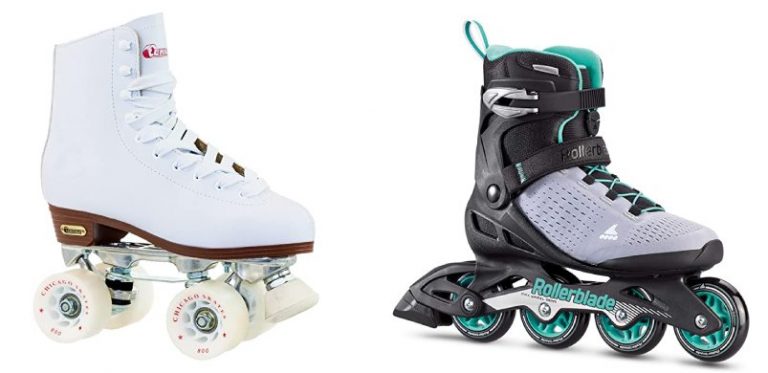
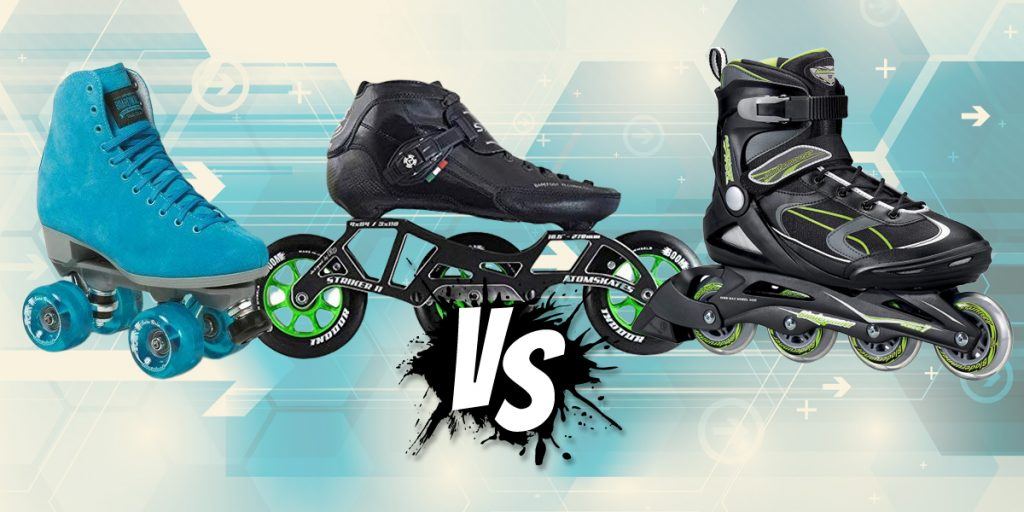
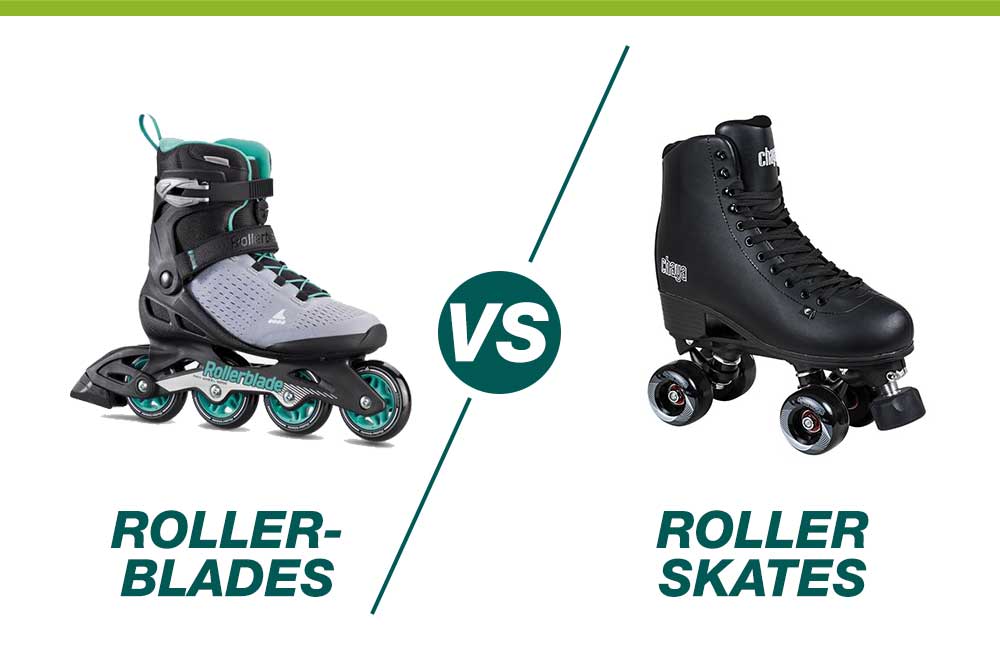
Yes. Ice skates have a rigid boot and a thin metal blade, while rollerblades feature a boot with a frame that holds multiple wheels. Using the correct footwear is essential for safety and performance. - Can I transition from one to the other easily?
The balance and leg strength you develop in one sport transfer fairly well to the other. Expect a brief adjustment period for edge control on ice or wheel alignment on rollerblades, but the core skills overlap significantly.