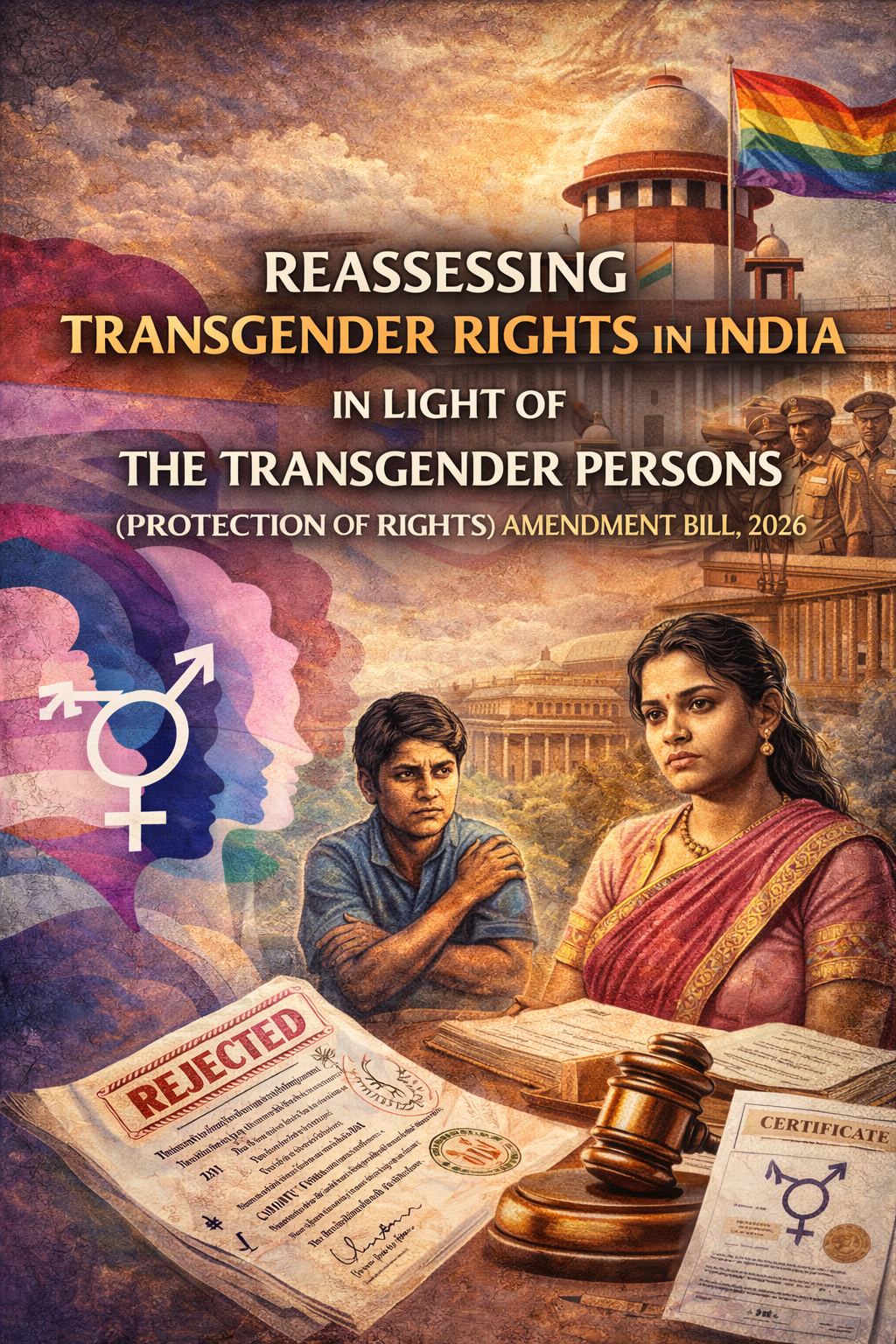
India’s Transgender Journey: History, Struggles, and Hope
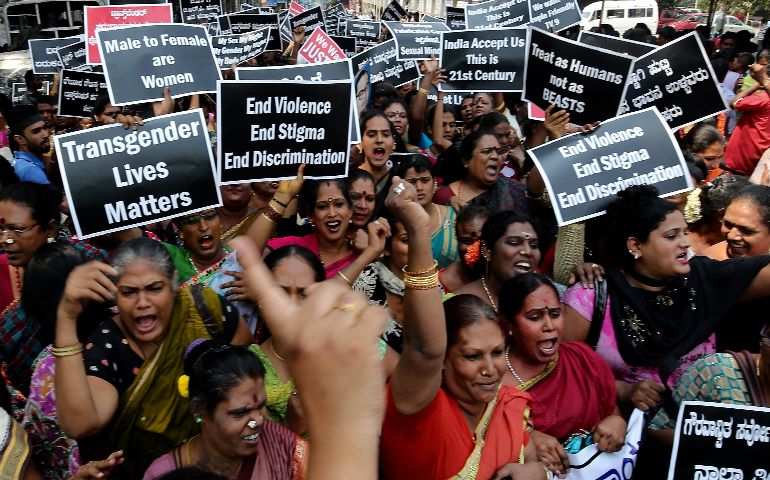
When you hear the phrase transgender in India, a tapestry of ancient traditions, colonial disruptions, and modern activism unfolds. From temple devotees who were revered centuries ago to today’s legal battles, the story is anything but linear. This article traces that history, outlines the hurdles many still face, and highlights the flickers of hope that suggest a brighter future.
Ancient Roots and Cultural Recognition
India’s earliest references to gender variance appear in the Vedas and later in mythic texts like the Mahabharata. The hijra community—often described as a third gender—held a respected place, performing blessings at births and weddings. In many regional folk tales, characters such as Shikhandi or Aravan embody fluid gender identities, illustrating that non‑binary roles were woven into the cultural fabric long before colonial rule.
Colonial Legislation and Its Aftermath
The British introduced the Criminal Tribes Act of 1871, which labeled hijras as “habitually criminal.” This legal stigma persisted for decades, pushing many into clandestine lives. After independence, the act was repealed, yet the damage lingered: societal prejudice hardened, and official records continued to ignore gender diversity.
Modern Challenges: Social, Economic, and Legal
Today, transgender Indians confront a mix of old‑world bias and new‑world bureaucratic obstacles. The most pressing issues include:
- Social exclusion: Family rejection often leads to homelessness or forced migration to urban “ghettoes” where survival work is limited.
- Employment barriers: Formal job markets frequently deny opportunities, leaving many to rely on traditional occupations such as begging, dancing, or sex work.
- Healthcare gaps: Access to gender‑affirming care is patchy; many rely on unregulated clinics, while mental‑health stigma discourages professional help.
- Legal recognition: Although the Supreme Court’s 2014 NALSA judgment affirmed the right to self‑identify, implementation varies across states, and official documents often lag behind personal identity.
These challenges intersect, creating a cycle that’s hard to break without coordinated policy and societal shifts.
Emerging Hope: Legal Wins and Grassroots Activism
Since the landmark NALSA decision, several states have introduced trans‑inclusive policies. For example, Tamil Tamil Nadu now offers free gender‑affirming surgeries in government hospitals, and Delhi’s health department launched a dedicated transgender health helpline. NGOs such as the Humsafar Trust and Nazariya are training trans youth for digital skills, helping them enter the formal job market.
Representation in Media and Politics
Visibility matters. The 2015 film “Super Deluxe” featured a nuanced hijra character, while the 2022 series “Margarita with a Straw” sparked conversations nationwide. Politically, the election of transgender legislators—like Shabnam Rani in Madhya Pradesh—signals a slow but steady entry into decision‑making arenas. Such representation challenges stereotypes and offers role models for younger generations.
The Way Forward: Practical Steps for Inclusion
Progress will likely hinge on three practical fronts. First, education reforms should integrate gender‑diversity curricula at primary levels, normalizing conversation early on. Second, workplaces need clear anti‑discrimination policies and affirmative hiring quotas, similar to the 30% reservation for Scheduled Castes and Tribes in public jobs. Third, healthcare providers must receive training on respectful, evidence‑based transgender care, ensuring that hormonal or surgical options are safe and affordable.
When these measures align, they can transform the lived reality of millions, turning hope into everyday certainty.
Frequently Asked Questions
What legal rights do transgender people have in India today?
Following the 2014 Supreme Court ruling, transgender individuals can self‑identify their gender on official documents, and many states have enacted anti‑discrimination laws. However, enforcement is uneven, and access to gender‑affirming procedures remains limited in several regions.
How can allies support the transgender community?
Allies can start by using correct pronouns, advocating for inclusive policies at work or school, and donating to reputable NGOs that provide health and livelihood training for trans persons.
Is there any data on employment rates for transgender Indians?
National surveys indicate that less than 15% of transgender adults hold regular salaried jobs, with the majority engaged in informal or survival economies. This stark disparity underscores the need for targeted employment programs.