Indonesia’s Smartphone Landscape: Trends Shaping 2025
Indonesia’s smartphone market trends have long been a barometer for Southeast Asia’s tech pulse. With a population that surpasses 270 million and a young demographic eager for connectivity, the country consistently tops regional sales charts. As we move toward 2025, several forces—ranging from price‑sensitivity to 5G rollout—are poised to rewrite the market’s playbook.
Key Drivers Behind the Market’s Momentum
First, affordability remains the north star for most Indonesian buyers. Mid‑range devices priced between 1.5 and 3 million rupiah dominate shelf space, outpacing premium flagships by a comfortable margin. Brands that bundle robust hardware with localized software tend to win the loyalty contest.
Second, the ongoing expansion of 5G infrastructure is nudging both consumers and manufacturers toward newer standards. While coverage is still uneven—concentrated in Jakarta, Surabaya, and Bandung—the promise of faster streaming and smoother gaming experiences is enough to spark upgrade cycles earlier than in previous generations.
Third, the rise of e‑commerce platforms such as Tokopedia and Shopee reshapes the purchasing journey. Flash sales, installment options, and “buy‑now‑pay‑later” schemes lower the barrier for first‑time owners, especially in tier‑2 cities where traditional retail footprints are limited.
Consumer Preferences: What Indonesians Want in a Phone
Battery life tops the wish list. With many users juggling social media, mobile payments, and video calls, a device that can comfortably last a full day—or more—gets a thumbs up. Meanwhile, camera performance, particularly low‑light capability, is a close second, reflecting the popularity of short‑form video platforms.
Local content integration also matters. Pre‑installed apps for digital wallets like GoPay or OVO, and support for regional languages, give a subtle edge to brands that understand the cultural context. In practice, this means manufacturers often partner with local influencers to showcase how a phone fits into everyday life.
What 2025 Might Look Like: Forecast Highlights
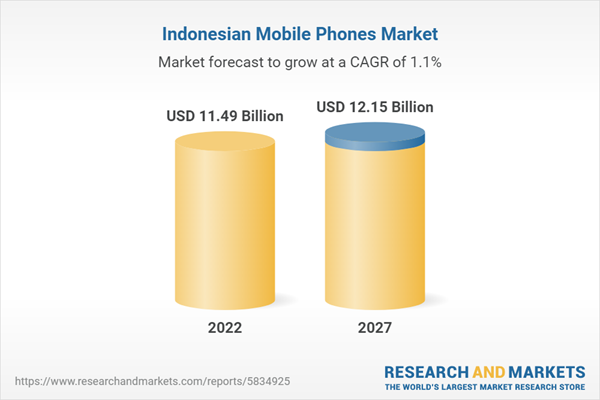
Looking ahead, analysts anticipate a modest but steady growth rate of around 4 % year‑over‑year. The market is unlikely to explode, given its already mature size, but the composition of sales will shift.
- Mid‑range dominance: Devices featuring Snapdragon 7‑series or MediaTek Dimensity chips will capture the bulk of new purchases, offering a sweet spot between performance and price.
- Premium resurgence: As 5G becomes more reliable, high‑end models from Samsung, Apple, and Xiaomi are expected to regain some traction, particularly among affluent urbanites and early adopters.
- Rise of “green” phones: Sustainability is entering the conversation. Brands that highlight recyclable materials or energy‑efficient processors may attract environmentally conscious shoppers.
Another noteworthy trend is the growing appeal of “foldable” form factors. While still pricey, limited‑edition releases could serve as aspirational showcases, nudging the broader market toward flexible display technology in the near future.
Regional Variations: Jakarta vs. the Archipelago
Jakarta’s consumers often lead the charge on premium adoption, thanks to higher disposable incomes and better network coverage. In contrast, islands like Sumatra and Sulawesi see a heavier reliance on budget-friendly handsets and offline retail channels. This geographic split encourages manufacturers to diversify their line‑ups, offering both flagship models for the capital and stripped‑down variants for remote provinces.
Brand Battles: Who’s Leading the Pack?
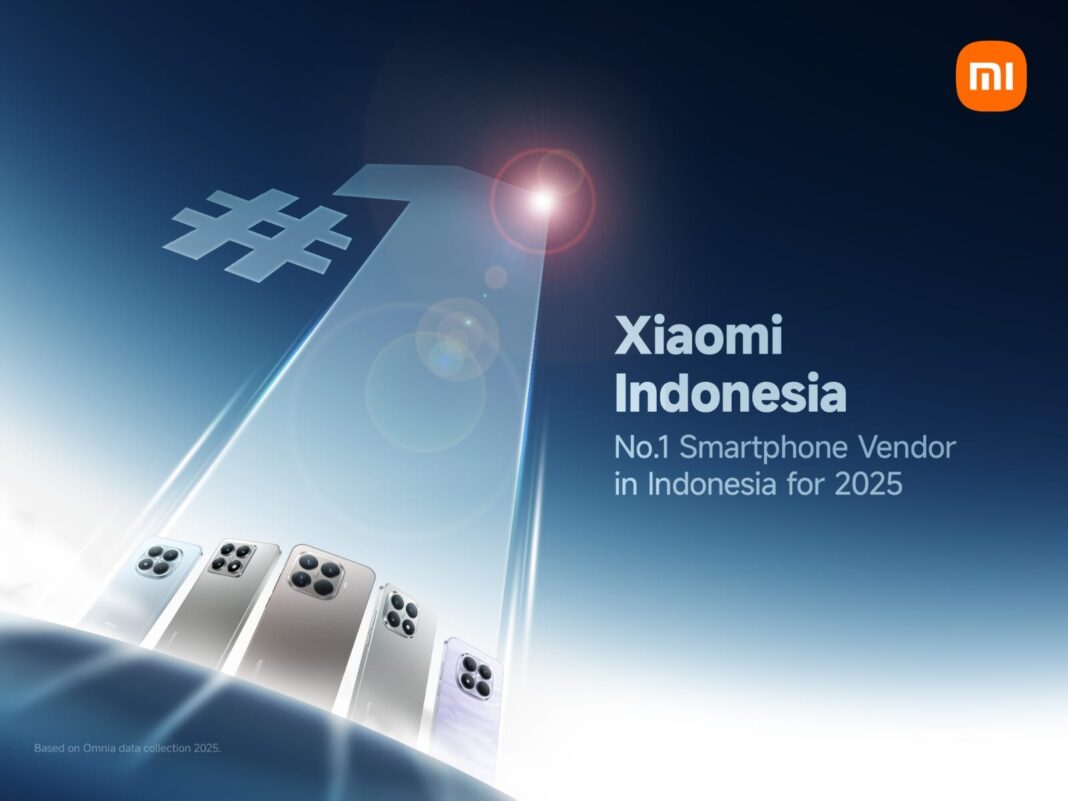
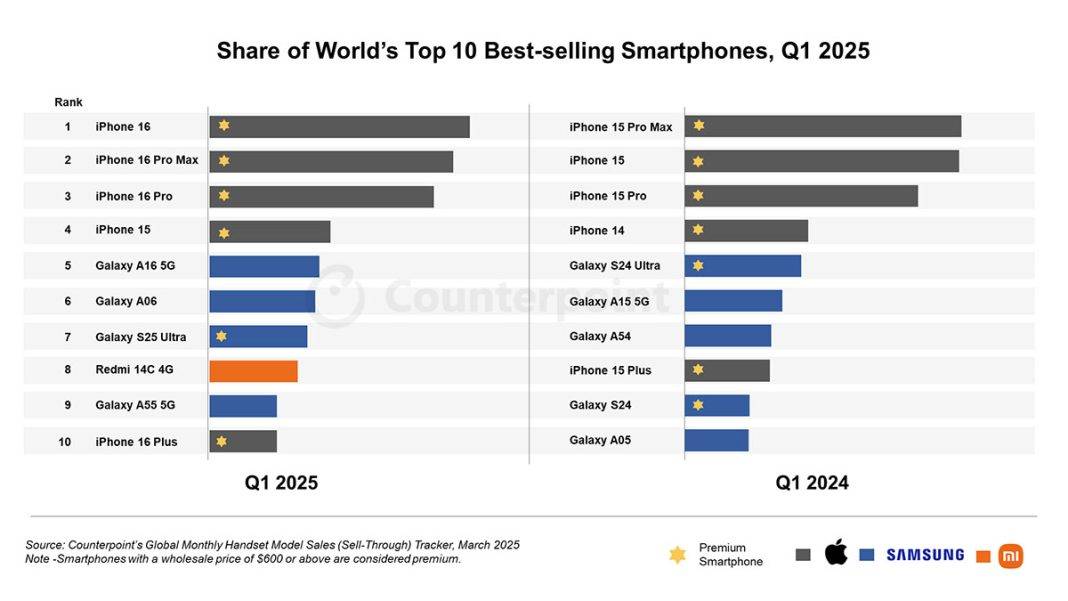
Historically, Samsung and Huawei have vied for the top spot, but recent years have seen a surge from Chinese manufacturers such as Xiaomi, Oppo, and Realme. Their aggressive pricing, coupled with rapid software updates, resonates well with the price‑sensitive crowd.
Apple, while holding a smaller slice of the overall market, continues to grow its premium segment. The brand’s focus on ecosystem integration—linking iPhones with iPads, Macs, and wearables—creates a stickiness that’s hard to replicate.
Potential Headwinds to Watch
Supply chain disruptions, whether from geopolitical tensions or raw‑material shortages, could temporarily dampen inventory levels. Moreover, regulatory changes around data privacy and digital payments might compel manufacturers to adjust software strategies, potentially adding to development costs.
FAQ
What are the top smartphone brands in Indonesia?
Samsung, Xiaomi, Oppo, Realme, and Apple collectively command the majority of sales, with each brand catering to different price segments.
Will 5G be widely available across Indonesia by 2025?
Coverage is expected to expand significantly, especially in major urban centers, but full nationwide rollout may still be a few years away.
How important is battery life for Indonesian users?
Extremely important—most consumers prioritize devices that can comfortably last a full day of mixed usage without needing a recharge.
Are foldable phones realistic for the average Indonesian buyer?
Currently, foldables remain niche due to their premium pricing, but limited releases may spark interest and eventually drive broader adoption.