Industrial Heat Exchangers Explained: A Complete Guide
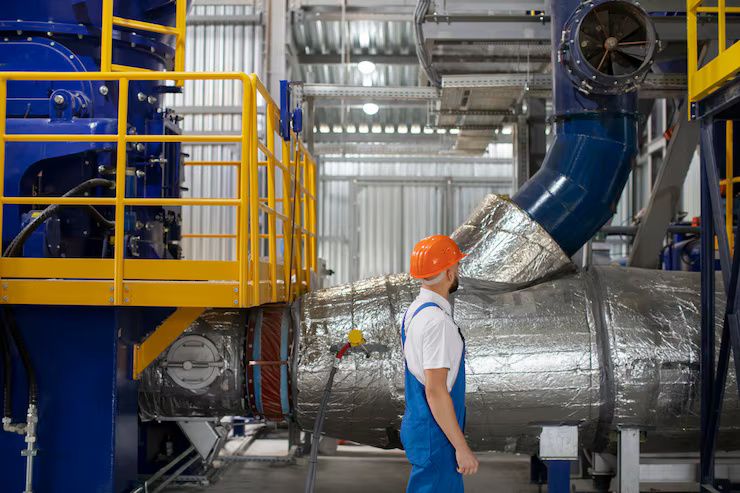
When a plant needs to move thermal energy from one fluid to another, an industrial heat exchanger steps into the spotlight. These devices are the unsung workhorses behind petrochemical refineries, power stations, and food‑processing lines, quietly ensuring that heat is transferred efficiently, safely, and cost‑effectively. Below, we unpack the fundamentals, the varieties you’ll encounter, and the practical tips that keep them humming.
How an Industrial Heat Exchanger Works
At its core, a heat exchanger is a sealed vessel where two streams—typically a hot fluid and a cold one—exchange energy without mixing. The driving force is the temperature difference; heat flows from the hotter side to the cooler until equilibrium is reached. Engineers shape the internal surfaces—plates, tubes, or fins—to maximize contact area while minimizing pressure drop.
Because the fluids never meet, the process can handle hazardous or corrosive media safely. The design balances three competing goals: high heat transfer rates, low pumping energy, and durability under harsh conditions.
Main Types of Industrial Heat Exchangers
Choosing the right configuration hinges on the process specifics. The most common families include:
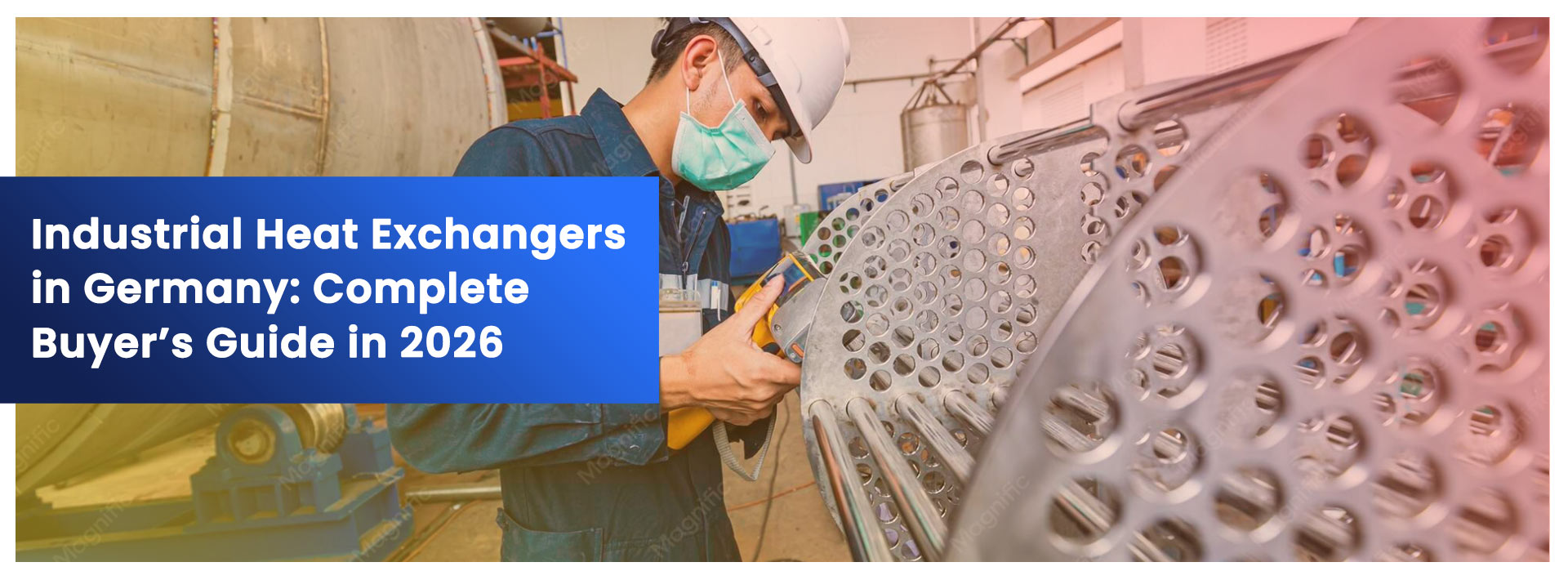
- Shell‑and‑tube exchangers: A bundle of tubes runs through a larger shell; one fluid travels inside the tubes, the other around them. They dominate oil and gas applications because they tolerate high pressures.
- Plate heat exchangers: Thin, corrugated plates are stacked, creating alternating channels. Their compact footprint makes them popular in food and dairy plants.
- Air‑cooled exchangers: Finned tubes expose hot fluid to ambient air, eliminating the need for a secondary cooling water circuit—ideal for remote sites.
- Spiral heat exchangers: Two flat sheets are wound into a spiral, offering excellent heat transfer in a small volume, especially for viscous or fouling‑prone fluids.
Each style brings trade‑offs in fouling resistance, pressure drop, and maintainability, so the “best” choice is always context‑driven.
Key Design Considerations
Designing an industrial heat exchanger isn’t a matter of plugging numbers into a calculator; it’s a series of informed compromises.
- Thermal performance*: The overall heat‑transfer coefficient (U‑value) reflects material conductivity, fouling factors, and flow regime. A higher U means a smaller unit for the same duty.
- Mechanical integrity*: Materials must survive temperature extremes, corrosion, and cyclic loading. Stainless steel, titanium, and exotic alloys are common choices.
- Fluid dynamics*: Turbulent flow boosts heat transfer but raises pump work. Engineers often target Reynolds numbers that strike a sweet spot.
- Space and weight*: In retrofit projects, the footprint can be a limiting factor, nudging designers toward compact plate or spiral units.
Balancing these variables typically involves iterative simulations, followed by a prototype test run.
Typical Applications Across Industries
Heat exchangers appear wherever temperature control matters. A quick tour:
- Petrochemical refining: Crude oil pre‑heating, catalytic cracking, and steam regeneration rely heavily on shell‑and‑tube units.
- Power generation: Condensers in steam turbines and economizers in boiler feedwater loops are classic examples.
- Food & beverage: Pasteurization, cooling of brews, and dairy homogenization demand sanitary plate exchangers.
- Pharmaceuticals: Precise temperature ramps during synthesis are often handled by stainless‑steel spiral exchangers.
- HVAC and district heating: Large‑scale air‑cooled exchangers move waste heat to district networks.
The common thread is a need to transfer large amounts of heat reliably over long operating periods.
Maintenance Best Practices
Even the toughest exchanger will degrade if neglected. A proactive maintenance regime typically includes:
- Regular visual inspections for corrosion, gasket wear, or tube leaks.
- Scheduled cleaning—mechanical pigging for shell‑and‑tube units or chemical cleaning for fouling‑prone streams.
- Performance monitoring: tracking inlet/outlet temperatures and pressure drops can flag efficiency loss early.
- Documented repair histories to inform future design tweaks.
When a unit is due for overhaul, many plants opt for modular replacement of tube bundles rather than swapping the entire vessel, minimizing downtime.
Emerging Trends Shaping the Future
Technology isn’t standing still. Recent innovations include:
- Enhanced surfaces: Micro‑textured or nanostructured tube interiors boost turbulence without extra pumping cost.
- Smart monitoring: Embedded sensors feed real‑time data to predictive‑maintenance algorithms, reducing unplanned outages.
- Compact exchangers: 3‑D‑printed lattice structures promise higher surface‑area‑to‑volume ratios, especially for specialty chemicals.
- Hybrid systems: Combining heat recovery with thermoelectric generators turns otherwise wasted heat into electricity.
These advances aim to squeeze more energy out of existing streams while trimming operational expenses.
FAQ
What determines the size of an industrial heat exchanger?
The required heat‑transfer duty (in kilowatts or BTU/hr), the allowable temperature approach, fluid flow rates, and the chosen U‑value together dictate the heat‑transfer area. From there, designers select a configuration that fits the space and budget.
Can a single heat exchanger handle multiple fluids simultaneously?
Yes. Multi‑pass shell‑and‑tube designs can route several streams through separate tube bundles within the same shell, allowing staged heating or cooling in one compact unit.
How often should fouling be cleaned?
There’s no one‑size answer; it depends on fluid composition and operating temperature. A common rule of thumb is to schedule cleaning when pressure drop increases by 10‑15 % or when heat‑transfer efficiency drops noticeably.