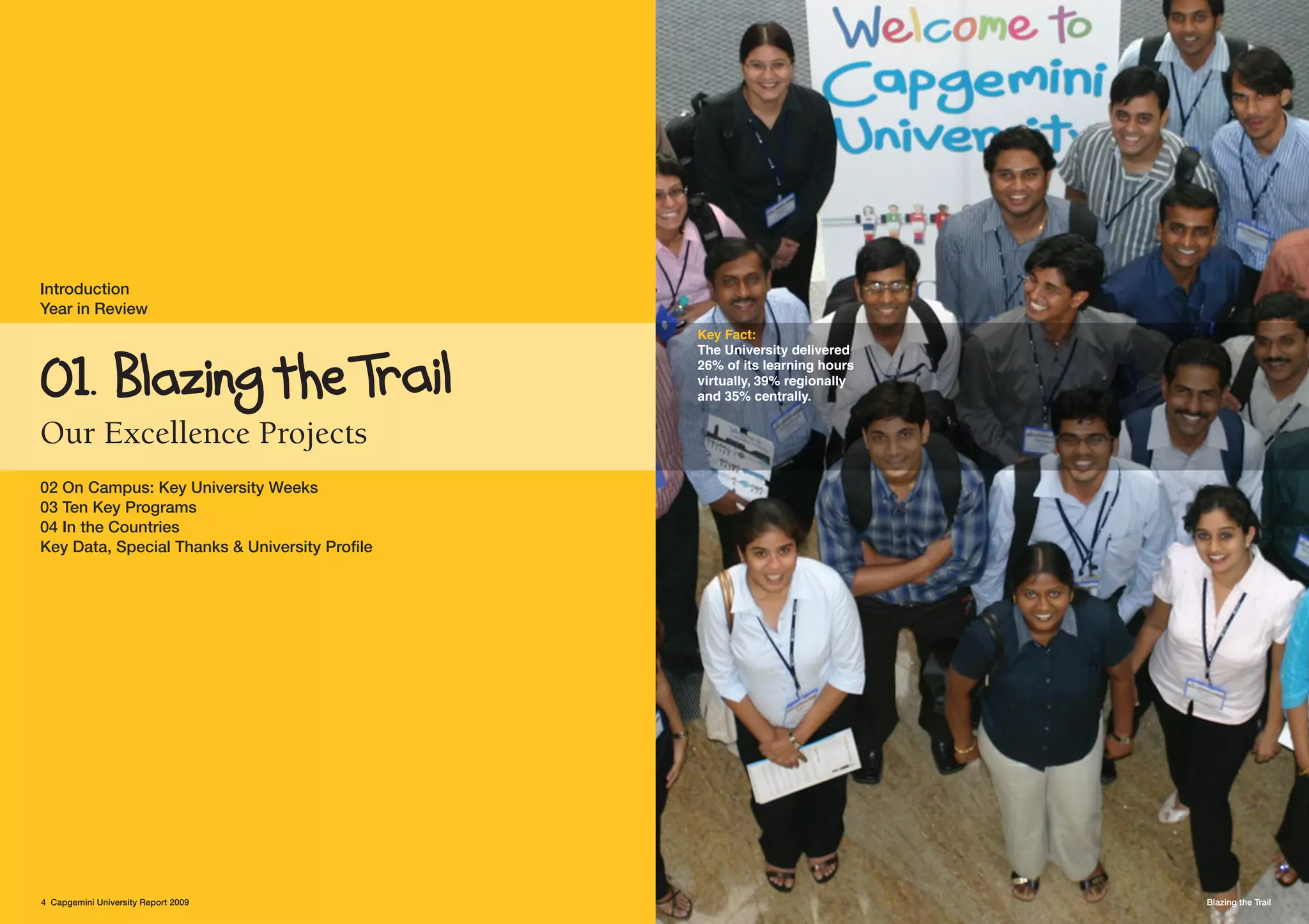
Inside Capgemini’s Graduate Program: What Students Can Expect
Capgemini’s Graduate Program has become a go-to pathway for recent graduates aiming to launch careers in consulting, technology, and digital services. Designed to blend classroom learning with real‑world projects, the program promises a structured yet dynamic experience that can set the foundation for long‑term growth. In this review we’ll walk through every stage—from application to graduation—so you’ll know exactly what to anticipate and how to stand out.
What Is the Capgemini Graduate Program?
The Capgemini Graduate Program is an intensive 12‑ to 18‑month rotational scheme that immerses new hires in the firm’s core service lines: consulting, technology, digital, and industry solutions. Participants rotate through multiple business units, working on live client engagements while completing in‑house training modules. The program’s core mission is to develop well‑rounded professionals who can thrive in cross‑functional environments and adapt to the evolving tech landscape.
Core Benefits
- Structured Learning – Weekly workshops, mentorship, and e‑learning courses covering everything from Agile fundamentals to cloud architecture.
- Real Impact – Working on high‑profile projects for Fortune 500 clients right from the first rotation.
- Career Clarity – At the end of the program, graduates receive a clear career path—consultant, software engineer, or industry specialist—based on performance and interests.
- Global Exposure – Opportunities to work on international assignments or relocate to Capgemini hubs around the world.
The Application Journey
Capgemini’s hiring process is rigorous but transparent. It begins with an online application, followed by a competency‑based test that evaluates analytical thinking and communication skills. Successful candidates then move on to a virtual case interview, where they demonstrate problem‑solving and teamwork. Finally, a panel interview assesses cultural fit and motivation.
Tips for a Winning Application
- Quantify Achievements – Use numbers to illustrate project outcomes or leadership impact.
- Showcase Tech Skills – Highlight certifications (e.g., AWS, Scrum, Python) relevant to the program’s focus areas.
- Practice Case Studies – Familiarize yourself with common consulting frameworks such as SWOT, Porter’s Five Forces, and Value‑Chain analysis.
- Network Early – Attend Capgemini career fairs or virtual info sessions to learn insider tips from alumni.
Program Structure: Rotations, Projects, and Mentorship
The program is divided into three main rotations, each lasting four to six months. In the first rotation, participants focus on foundational skills: client communication, project management, and industry basics. The second rotation dives deeper into specialized domains—such as data analytics, cybersecurity, or digital transformation—allowing graduates to build expertise. The final rotation is a capstone project that combines learnings from previous stages and requires the graduate to deliver a tangible solution to a real client.
Mentorship and Feedback Loops
Mentorship is a cornerstone of the Capgemini Graduate Program. Each graduate is paired with a senior leader who provides regular feedback and career guidance. Structured reviews at the end of each rotation help identify strengths, address skill gaps, and refine career trajectories.
Career Paths After Graduation
Once the program concludes, alumni typically transition into one of Capgemini’s core roles:
- Consultant – Advising clients on strategy, operations, or technology adoption.
- Software Engineer – Designing and developing applications, often within the Digital or Technology practice.
- Industry Specialist – Focusing on sector‑specific solutions such as financial services, retail, or public sector.
- Project Manager – Overseeing cross‑functional teams and ensuring timely delivery of client solutions.
Culture and Work Environment
Capgemini’s culture emphasizes collaboration, continuous learning, and innovation. The graduate program encourages open communication through daily stand‑ups, weekly knowledge‑sharing sessions, and an internal social network where ideas are exchanged freely. Employees often cite the inclusive environment as a major factor in their professional growth.
Key Takeaways for Aspiring Graduates
- Start Early – Apply during your final semester; early submissions can secure an interview slot.
- Build a Solid Foundation – Strengthen analytical, communication, and technical skills before the interview stage.
- Show Passion for Learning – Capgemini values candidates who are eager to adapt and grow.
- Leverage Networking – Engage with current employees and alumni to gain perspective on day‑to‑day realities.
FAQs About Capgemini’s Graduate Program
- What types of projects will I work on? Graduates typically engage in consulting assignments, software development tasks, or digital transformation initiatives across various industries.
- Is relocation required? Some rotations may involve travel or short‑term assignments abroad, but permanent relocation is not mandatory.
- Do I need a specific degree? While a business, engineering, or computer science background is common, Capgemini welcomes graduates from diverse disciplines if they demonstrate relevant skills.
- What’s the average salary after the program? Compensation varies by region and role, but graduates usually receive competitive entry‑level packages aligned with industry standards.