Inside Look at the Quiet Power Generator Revolution
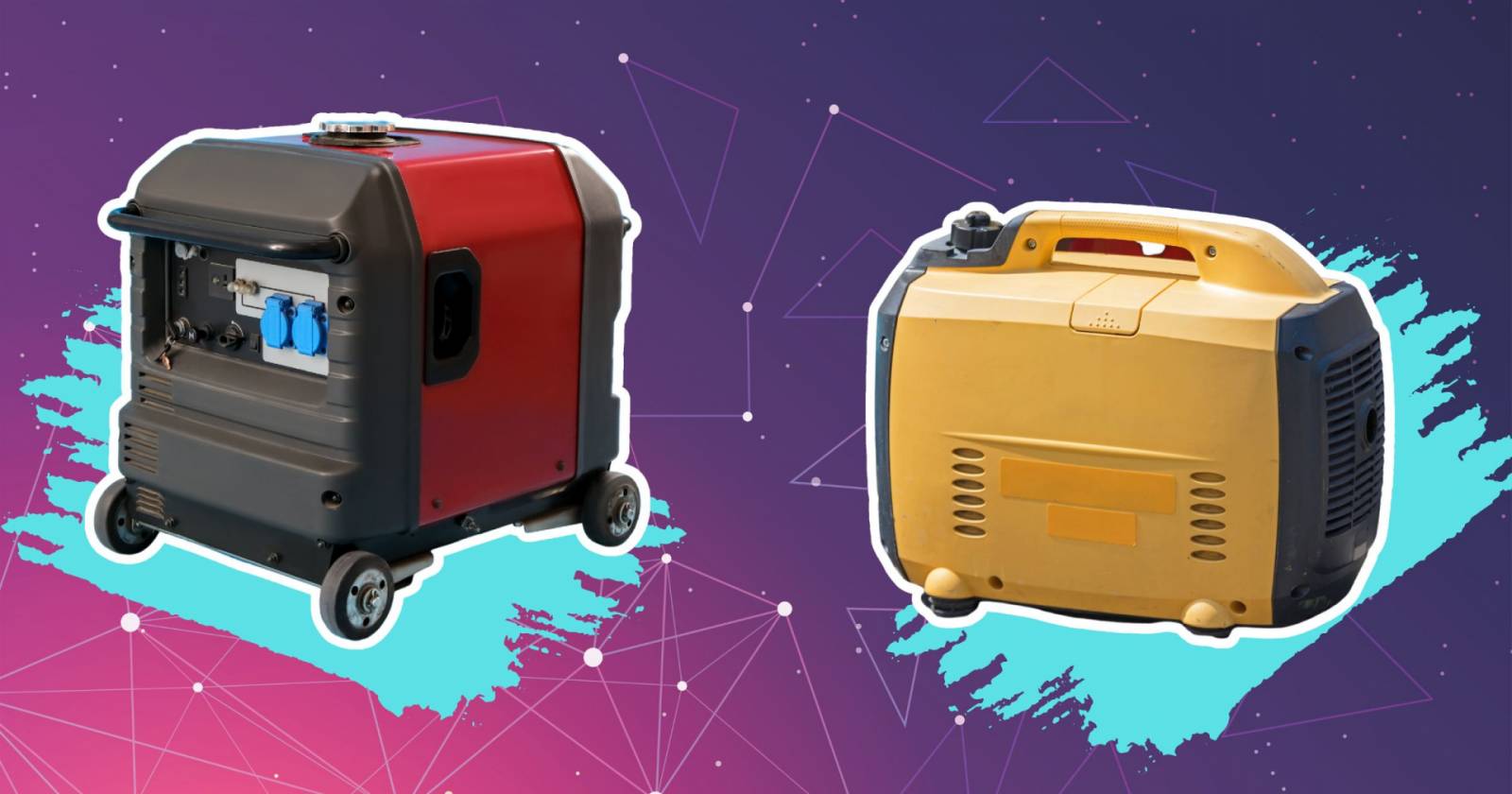
When you think of a generator, the first image that pops into mind is usually a noisy, rumbling beast that shouts its presence across a backyard or construction site. Yet a quiet power generator can sit almost unnoticed, delivering clean electricity while keeping the soundtrack at a murmur. This shift isn’t just about courtesy; it’s reshaping how homeowners, contractors, and event planners think about backup power.
Why Quiet Matters: From Neighborhood Rules to Personal Comfort
Noise ordinances have tightened in many suburban zones, and a handful of decibel‑friendly generators can be the difference between compliance and a costly fine. Beyond legalities, a quieter machine simply makes life easier—imagine watching a movie outdoors while the generator hums at a background level rather than roaring over the dialogue.
The Core Technologies Silencing the Engine
Modern quiet generators achieve their low‑noise profile through a blend of engineering tricks. The most common approaches include:
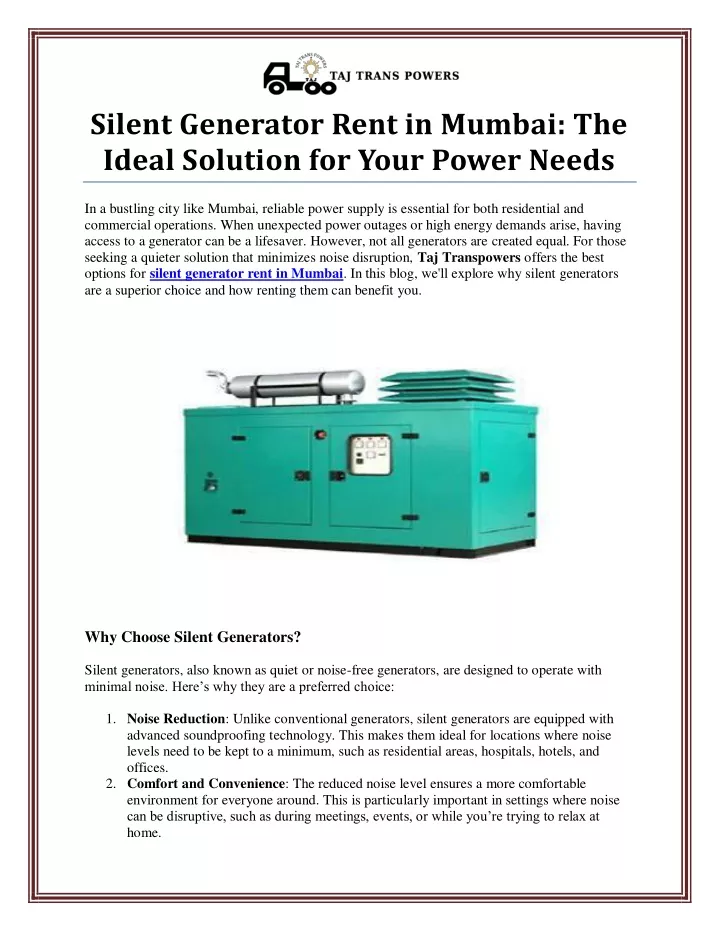
- Enclosed Sound‑Proofing: Thick, vibration‑absorbing casings line the engine compartment, trapping much of the acoustic energy before it escapes.
- Inverter Technology: By converting AC to DC and back again, inverters smooth out power spikes and reduce the need for large, noisy engine components.
- Variable Speed Engines: Instead of running at a constant high RPM, the engine adjusts its speed to match the load, staying slower—and quieter—when demand is low.
Each of these advances also tends to improve fuel efficiency, creating a win‑win for both the environment and the wallet.
Who’s Buying Quiet Generators and Why?
The market has broadened beyond the traditional “construction site” buyer. Here’s a snapshot of the main segments:
- Homeowners: Looking for backup power that won’t disturb sleeping children or neighbors during a storm.
- Recreational Users: Campers and RV owners value a low‑profile power source that blends into natural surroundings.
- Event Professionals: Outdoor weddings, concerts, and festivals need reliable electricity without drowning out the music.
- Small‑Scale Businesses: Boutique cafés or pop‑up shops appreciate a quiet unit that maintains a pleasant atmosphere.
Surveys suggest that consumers are increasingly willing to pay a modest premium—often 10‑15 % more—for the added serenity, especially when the price gap narrows thanks to mass production.
Choosing the Right Quiet Generator for Your Needs
Not all silent machines are created equal. Before you click “add to cart,” consider these three factors:
Power Output vs. Noise Level
Generators are rated in watts; a 5,000‑watt unit can run most essential appliances, while a 12,000‑watt model handles larger loads like HVAC systems. However, higher output often correlates with louder operation. Look for decibel (dB) ratings—many reputable models stay below 60 dB at a 23‑foot distance, roughly the noise of a normal conversation.
Fuel Type and Runtime
Most quiet generators run on gasoline, but propane and diesel options exist. Propane burns cleaner and can be stored indefinitely, making it a popular choice for weekend campers. Diesel engines, while heavier, often deliver longer runtimes on a single tank.
Portability and Setup
If you plan to move the unit frequently, prioritize a compact, wheel‑equipped design. For permanent home backup, a larger, stationary model with automatic transfer switches may be more appropriate.
Environmental Impact: Cleaner Power in a Quieter Package
Beyond the audible benefits, quiet generators typically employ inverter technology that trims fuel consumption by up to 20 % compared with traditional models. Reduced fuel burn means fewer emissions of carbon monoxide and hydrocarbons—an especially important consideration for indoor or semi‑enclosed use.
Some manufacturers are even experimenting with hybrid systems that pair a small gasoline engine with battery storage, allowing the engine to run only when the battery depletes below a certain threshold. This “engine‑on‑demand” approach further cuts both noise and pollutants.
The Future: Smart Integration and Community Quiet Zones
Smart home ecosystems are beginning to recognize generators as a controllable asset. Imagine a scenario where your thermostat signals a quiet generator to start when the grid drops, all while keeping the sound level within a pre‑set limit. Emerging standards aim to let generators communicate with home energy management systems, automatically balancing load, battery storage, and even solar input.
On a larger scale, some municipalities are drafting “quiet zones” for parks and residential districts, encouraging the adoption of low‑noise generators as part of broader resilience strategies. As policy nudges align with consumer preferences, the silent revolution could become the new norm rather than a niche market.
FAQ
What makes a generator “quiet” compared to a standard model?
Quiet generators typically combine sound‑absorbing enclosures, inverter technology, and variable‑speed engines to lower acoustic output, often keeping noise below 60 dB at a standard listening distance.
Are quiet generators more expensive?
They can carry a price premium of roughly 10‑15 % over comparable noisy units, though the gap is shrinking as production scales and more manufacturers enter the market.
Can a quiet generator be used for whole‑home backup?
Yes, provided the unit’s wattage matches your home’s peak load. Many models under 70 dB are suitable for whole‑house applications when paired with an automatic transfer switch.