Investing vs. Financing: Key Differences Explained
When you hear “investing vs. financing,” the terms often get tossed around as if they’re interchangeable. In reality, each represents a distinct approach to growing wealth or supporting a venture, and confusing the two can lead to costly missteps. Understanding the core purpose, risk profile, and expected returns of each helps you choose the right tool for your financial goals.
What Is Investing?
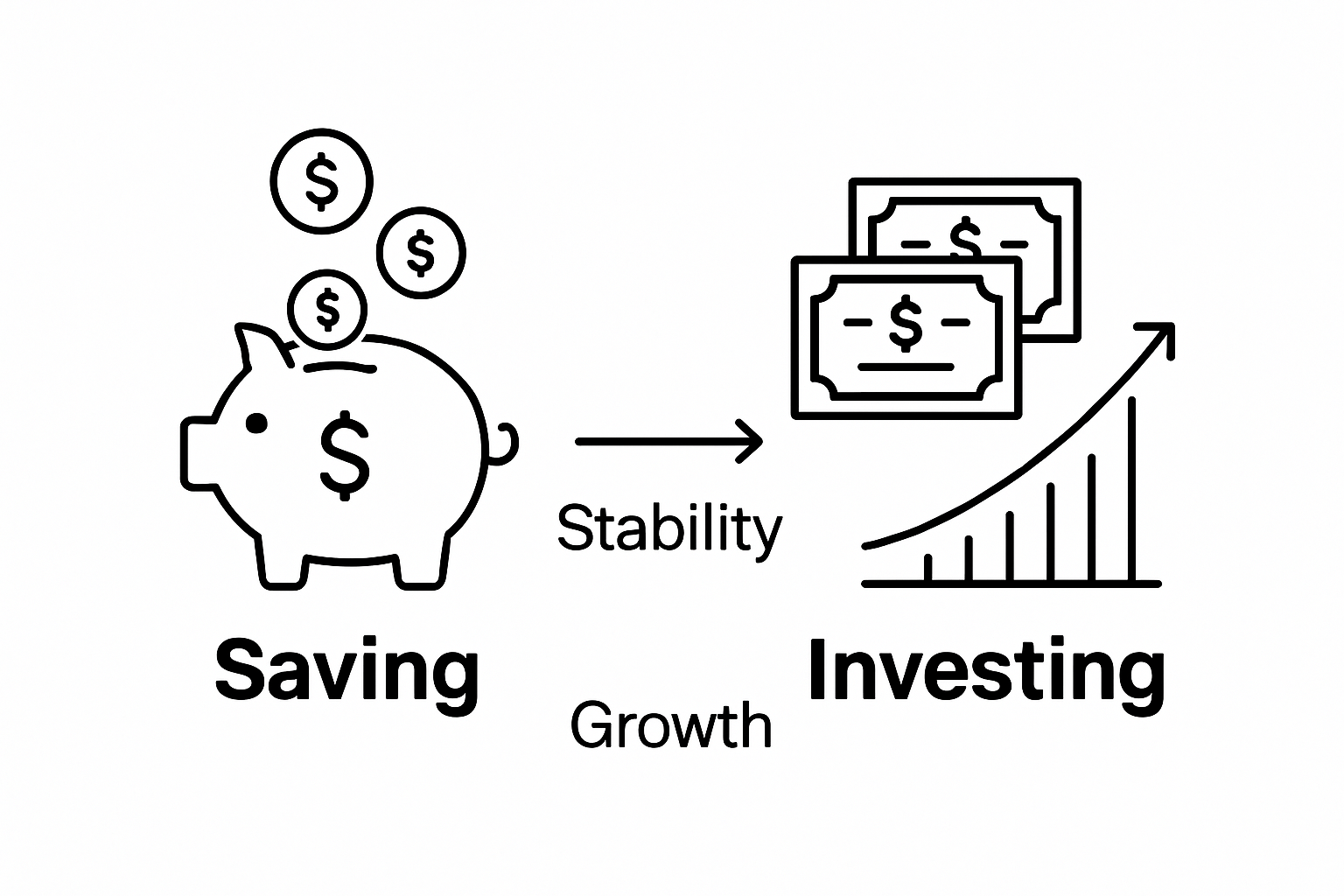
Investing means allocating capital to assets that you expect will increase in value over time. Stocks, bonds, real estate, and even startups fall under this umbrella. The primary driver is appreciation: you buy now, hold, and hope the asset’s price rises or it generates income, like dividends or rent. Because the outcome hinges on market performance, investing carries both upside potential and downside risk.
What Is Financing?
Financing, on the other hand, involves obtaining funds to cover a specific need—typically through borrowing or issuing debt. A business may take out a loan to purchase equipment, while an individual might use a mortgage to buy a home. The key distinction is that financing creates an obligation to repay the principal plus interest, regardless of how the funded project performs.
Core Differences at a Glance
- Objective: Investing aims for capital growth or income; financing seeks to meet a cash‑flow requirement.
- Risk Exposure: Investors bear market risk; financiers face repayment risk and interest‑rate exposure.
- Time Horizon: Investments can be short‑term or long‑term; financing usually follows a defined repayment schedule.
- Cash Flow: Positive cash flow is a goal of investing; financing often creates a negative cash flow until the debt is serviced.
How the Two Strategies Differ in Practice
Consider a startup that needs $200,000 to launch a product. One route is to raise equity—selling ownership stakes to investors who hope the company’s valuation will soar. That’s investing: the backers share future upside but also accept the chance of total loss. The alternative is a bank loan: the company receives the same $200,000, but it must make regular payments, regardless of whether the product succeeds. That’s financing, a more predictable but burdensome commitment.
For an individual, the contrast is just as stark. Buying shares in a diversified index fund means you’re hoping the market climbs, and you’ll reap any gains. Taking a personal loan to fund a vacation, however, creates a debt that must be repaid with interest, offering no upside beyond the immediate enjoyment.
When to Favor Investing Over Financing
If your primary aim is to build wealth over time and you can tolerate volatility, investing is usually the better choice. It’s especially appealing when:
- You have excess cash that isn’t needed for day‑to‑day expenses.
- You’re comfortable with the possibility of short‑term losses in exchange for long‑term gains.
- You can diversify, spreading risk across multiple assets.
In such scenarios, the returns from a well‑chosen portfolio often outpace the cost of borrowing, making the “pay‑yourself‑back” model less attractive.
When Financing Makes Sense
Financing shines when you need capital now but lack sufficient liquid assets, and the expected benefit of the funded project exceeds the cost of debt. Typical situations include:
- Purchasing real estate where mortgage interest rates are lower than the expected rental yield.
- Expanding a profitable business where the additional revenue will comfortably cover loan payments.
- Covering short‑term cash‑flow gaps, such as bridging inventory purchases during a seasonal surge.
Here, the ability to leverage—using borrowed money to amplify returns—can be a strategic advantage, provided the risk of default remains manageable.
Blending Both Approaches
Many savvy individuals and companies use a hybrid model. A small business might secure a line of credit for operational expenses while simultaneously attracting equity investors for long‑term growth. Homeowners often refinance mortgages (a financing move) to free up cash, which they then invest in retirement accounts. The key is to align each source of capital with its most suitable purpose.
Common Pitfalls to Avoid
Mixing up the concepts can lead to costly errors. Some frequent mistakes include:
- Using debt to chase speculative returns: Leveraging a loan to buy volatile stocks can magnify losses as well as gains.
- Relying on equity for short‑term cash needs: Selling ownership stakes to cover a temporary shortfall can dilute control and erode future earnings.
- Ignoring interest costs: Overlooking the cumulative expense of financing may turn a seemingly profitable project into a loss-maker.
Bottom Line: Choose Based on Goal and Risk Tolerance
Investing and financing each serve a purpose, but they’re not interchangeable. Ask yourself whether you’re seeking growth, protecting cash flow, or both. Match the tool to the task, keep an eye on the cost of capital, and stay realistic about the risk you’re willing to shoulder.
FAQ
Can I do both investing and financing at the same time?
Absolutely. Many people hold investment portfolios while also carrying mortgage or student‑loan debt. The trick is to ensure the cost of borrowing doesn’t outweigh the expected returns from your investments.
Is financing always a form of borrowing?
In most contexts, yes. Financing typically involves taking on debt or issuing securities that obligate repayment. However, some financing arrangements, like government grants, may not require repayment, blurring the line.
Which option is better for a small business looking to expand?
If the expansion is expected to generate cash flow that comfortably exceeds the loan’s interest, financing can accelerate growth without diluting ownership. If the business can fund the expansion from retained earnings, investing the profit back into the company may be more cost‑effective.
What’s the biggest risk of mixing investing with financing?
Over‑leveraging is the chief danger. Borrowing heavily to fund high‑risk investments can lead to a situation where debt obligations outpace returns, potentially forcing asset sales at unfavorable prices.