iPhone SE (2016) Retrospective: A Detailed Look Back
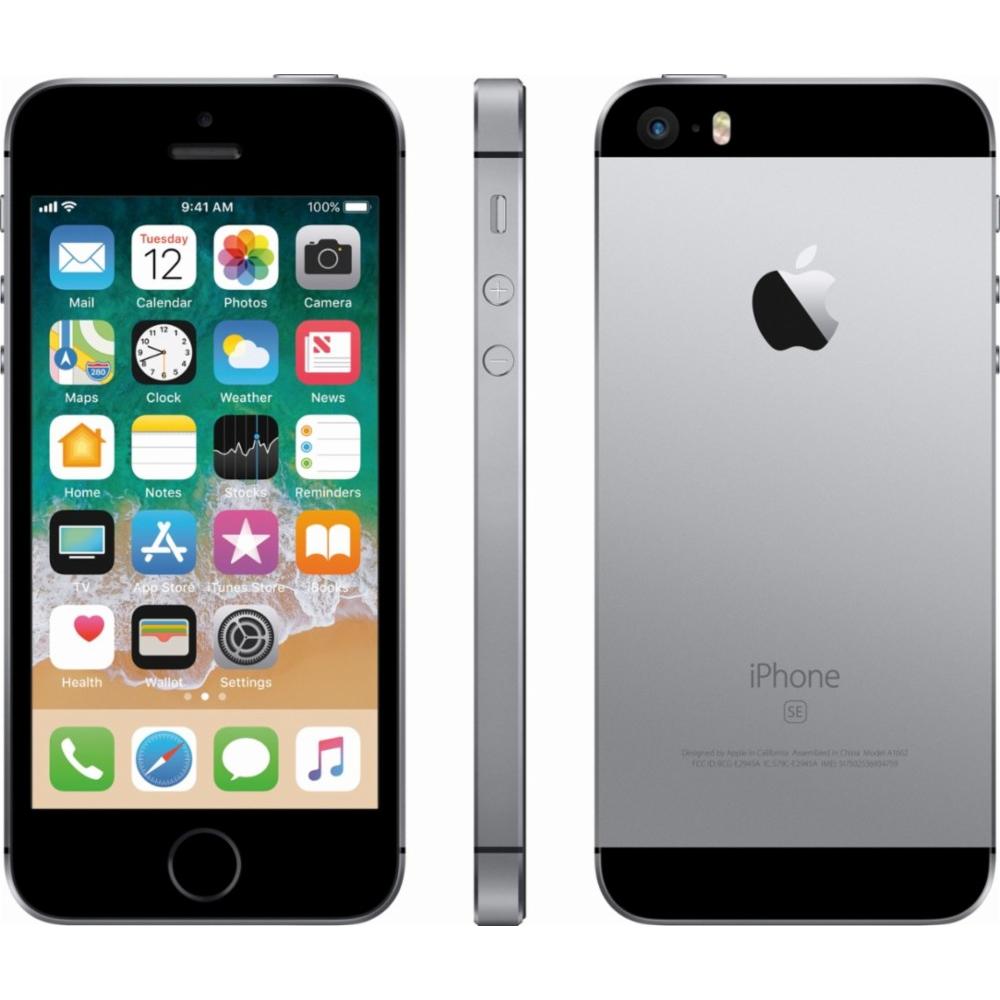
The iPhone SE 1, introduced in March 2016, was Apple’s bold attempt to blend classic design with modern performance. By repackaging the iPhone 5s chassis around the then‑new A9 chip, the company offered a pocket‑friendly device that felt surprisingly capable. Over the years, fans have debated whether the SE was a clever stop‑gap or a genuine game‑changer—let’s unpack the story.
Why Apple Revived the 4‑Inch Form Factor
When the iPhone 6 and 6 Plus debuted, many users complained about the sudden jump to larger screens. Apple noticed a niche of customers—especially those who prized one‑handed use, compact pockets, or simply preferred the familiar shape. The SE answered that call, delivering the same processor as the iPhone 6 but in a 4‑inch display that fit comfortably in a hand.
Beyond ergonomics, the SE allowed Apple to clear out inventory of the 5s design while testing demand for a lower‑priced flagship. The device launched at $399, undercutting many Android competitors and positioning the iPhone as more accessible without diluting the premium brand.
Hardware Highlights: Power in a Small Package
The heart of the SE was the A9 chip, paired with 2 GB of RAM—identical to the iPhone 6s. This meant apps launched swiftly, games ran smoothly, and the device handled iOS updates with aplomb. The 12‑megapixel rear camera, borrowed from the 6s, offered optical image stabilization and 4K video recording, a surprising feat for a phone that looked like a 2013 model.
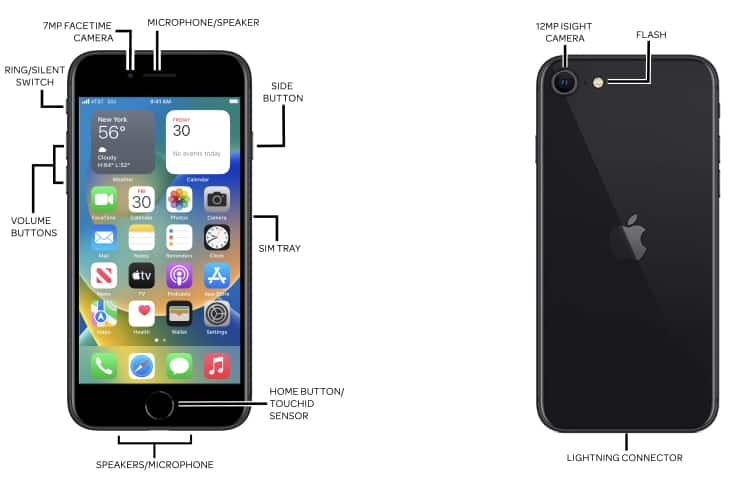
On the front, a 1.2‑megapixel camera handled FaceTime and selfies adequately, though it wasn’t meant to compete with newer high‑resolution front sensors. Battery life, at 1,624 mAh, was modest; power users often needed a midday charge, but the efficient A9 chip helped stretch the charge a bit further than the 5s.
Software Experience and Longevity
Launching with iOS 9.3, the SE received the same software updates as its flagship siblings. Apple supported the device through iOS 15, granting it roughly six years of major updates—a respectable lifespan for a budget iPhone. The compact screen meant that certain UI elements felt cramped in later iOS versions, but most core apps remained fully functional.
Because the hardware mirrored that of the 6s, the SE could run most iOS features without noticeable lag. However, newer AR‑heavy apps occasionally strained the device, reflecting the natural limits of a 4‑inch display and older GPU architecture.
Design Choices That Sparked Debate
The SE retained the classic 4‑inch Retina display with a 16:9 aspect ratio, thick bezels, and a physical home button with Touch ID. Some praised the timeless look, while others argued it felt dated amidst the edge‑to‑edge designs of the era. The aluminum chassis, though sturdy, lacked the premium glass back of the newer iPhones, but it kept weight down to just 113 grams.
Apple also included a single 5‑W charger in the box, a decision that sparked criticism for being underpowered compared to the faster chargers used with larger iPhones. Yet, many users appreciated the simplicity and the ability to keep the original charger handy for the SE’s modest power needs.
Market Impact and Legacy
Sales figures for the SE were solid, though Apple never disclosed exact numbers. Analysts noted that the device helped maintain iPhone market share in regions where price sensitivity was high, such as India and parts of Europe. It also set a precedent for future “budget” iPhones—Apple revisited the concept with the iPhone SE (2020) and again in 2022, each time updating the internals while preserving a small footprint.
In hindsight, the SE demonstrated that Apple could innovate without radically redesigning a product. By mixing old and new, the company proved that a well‑balanced price‑performance ratio could coexist with its premium image.
Common Criticisms and How They Hold Up
- Battery life: The SE’s smaller battery often required daily charging for heavy users. Modern users accustomed to 4000 mAh phones might find it limiting, though the device’s power consumption remains efficient.
- Display resolution: At 640 × 1136 pixels, the screen is less sharp than current smartphones. Still, for basic browsing and messaging, the resolution remains usable.
- Future‑proofing: While the SE received iOS 15, it will not get iOS 16 or beyond. This makes it less suitable for those who want the latest features for years to come.
Who Should Still Consider the iPhone SE 1?
If you own the SE and it still functions well, there’s no pressing need to upgrade—its performance remains adequate for everyday tasks like email, social media, and light gaming. For collectors, the device offers a nostalgic slice of Apple history. Budget‑conscious buyers in secondary markets might also find it a cost‑effective entry point into iOS, provided they’re comfortable with an older camera and limited battery.
Frequently Asked Questions
Is the iPhone SE 1 still receiving security updates?
Apple stopped providing major iOS updates after iOS 15, but it continues to release occasional security patches for a limited time. Users should check Apple’s support pages for the latest information.
Can the iPhone SE 1 run the latest apps?
Most mainstream apps still support iOS 15, but newer releases that require iOS 16 or later will not be compatible. Performance may vary, especially with graphics‑intensive games.
How does the camera compare to modern iPhones?
The 12‑megapixel sensor with OIS holds up surprisingly well for casual photography, but newer models boast larger sensors, night mode, and advanced computational photography that the SE lacks.
Is buying a refurbished iPhone SE 1 a good deal?
For users who need a basic iPhone experience and can accept an older battery and limited software updates, a refurbished SE can be a budget‑friendly option. However, weigh the cost against newer entry‑level iPhones that offer longer support windows.