IPO vs FPO: Understanding the Core Differences for Investors
When a company decides to let the public own a slice of its business, two acronyms often surface: IPO and FPO. Though they sound alike, the circumstances, goals, and implications of each are quite distinct. Grasping these nuances can help you decide whether to jump in at the first offering or wait for a later round.
What Is an IPO?
An Initial Public Offering marks the very first time a privately‑held firm sells shares on a stock exchange. Before an IPO, ownership is confined to founders, early employees, and perhaps a handful of private investors. The company files a registration statement with the securities regulator, usually the SEC in the United States, and works with underwriters to set an offer price. The proceeds typically fund growth initiatives, debt repayment, or a strategic acquisition.
What Is an FPO?
A Follow‑on Public Offering—sometimes called a secondary offering—occurs after a company is already listed. In an FPO the firm issues additional shares, or existing shareholders sell a block of their holdings, to the market. The capital raised can support expansion, strengthen the balance sheet, or simply provide liquidity to early investors. Because the company is already public, the regulatory paperwork is shorter, but the market still scrutinises the pricing and purpose closely.
IPO vs FPO: Main Differences at a Glance
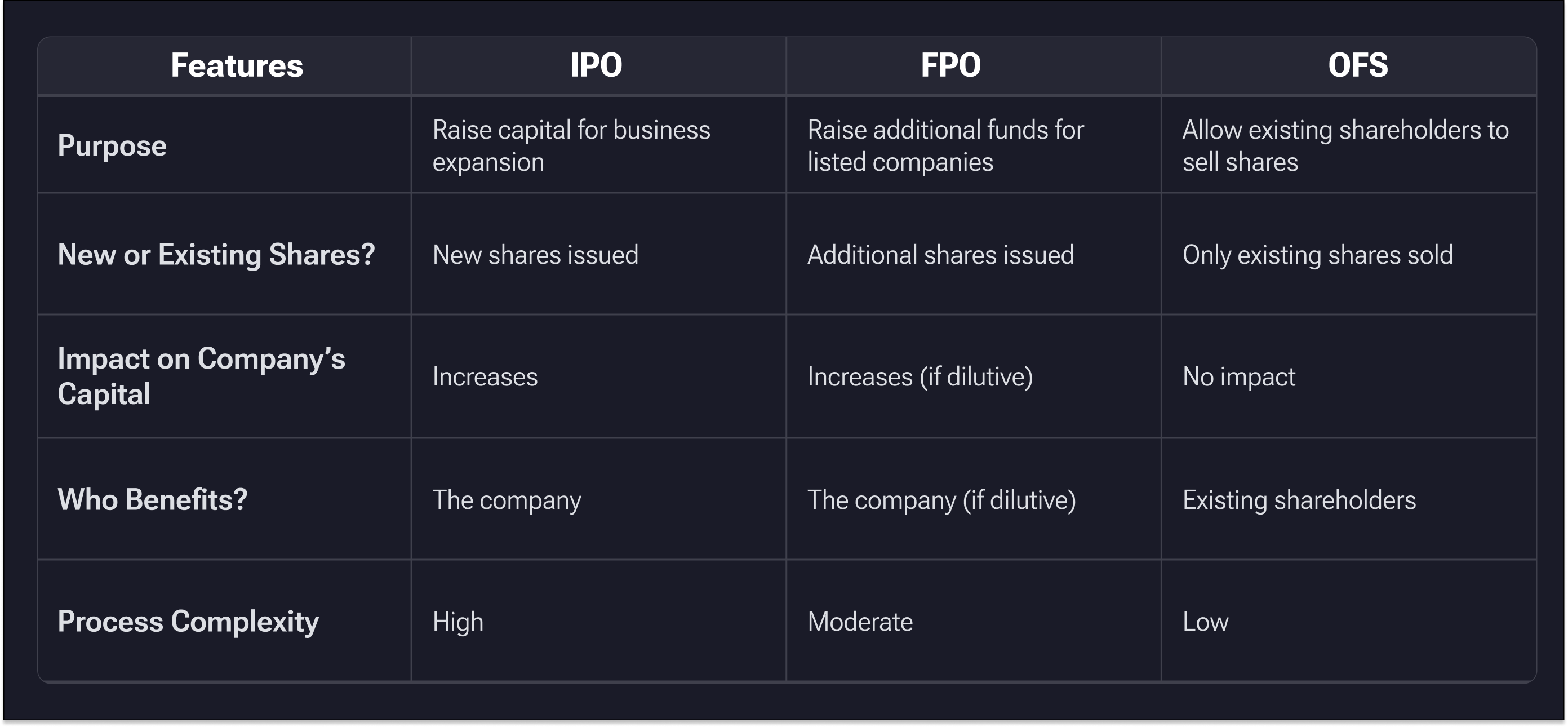
- Timing: IPO is the debut; FPO follows an existing listing.
- Purpose of Funds: IPO money often fuels initial growth, while FPO capital may finance later‑stage projects or give insiders cash.
- Share Dilution: Both can dilute existing holdings, but an IPO introduces dilution for the first time, whereas an FPO adds to an already diluted base.
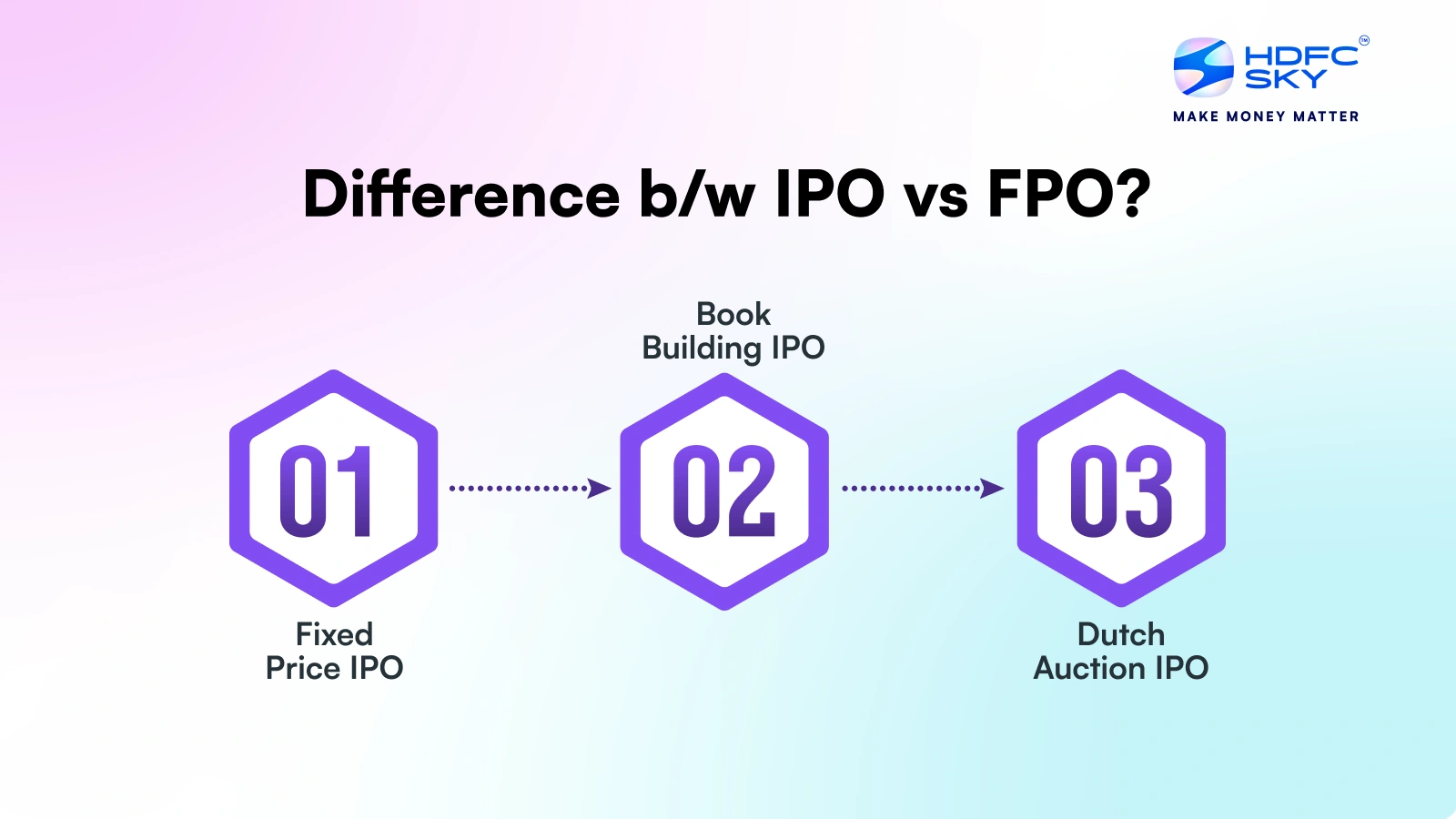
- Pricing Mechanics: IPOs rely heavily on book‑building with underwriters; FPOs may use a similar process or a fixed‑price method, depending on market conditions.
- Regulatory Load: IPOs require a full prospectus and extensive disclosures; FPOs file a supplemental prospectus that references the original filing.
- Investor Perception: IPOs attract attention as “new” opportunities; FPOs are judged on the company’s track record since its debut.
Why Companies Choose an IPO
Going public for the first time can be a transformative milestone. Besides the obvious influx of capital, an IPO raises a company’s profile, making it easier to attract top talent with stock‑based compensation. It also creates a market‑determined valuation, which can be useful for future financing or mergers. However, the process is costly, time‑consuming, and subjects the firm to ongoing disclosure obligations.
Why Companies Opt for an FPO
Even after a successful IPO, a business may need more cash or want to let early investors cash out. An FPO provides that flexibility without the drama of a brand‑new listing. Because the company already trades, pricing can be more transparent—analysts often look at the current share price and market depth to gauge a fair offering range. Still, a poorly timed FPO can depress the stock, so management must balance capital needs against market sentiment.
Investor Considerations
From an investor’s standpoint, the two offerings present different risk‑reward profiles. An IPO is a gamble on an untested public track record; the share price can swing wildly in the first weeks. In contrast, an FPO offers a glimpse into how the company has performed under public scrutiny, giving you historical earnings, volatility, and governance data to chew on.
That said, both types can be attractive if the underlying business fundamentals are solid. Look beyond the headline price: examine why the company is raising money, how the proceeds will be used, and whether the dilution aligns with projected growth. Also, pay attention to lock‑up periods—IPO insiders often cannot sell for 90‑180 days, while FPO participants may have different restrictions.
Frequently Asked Questions
What is the main difference between an IPO and an FPO?
An IPO is the first sale of a company’s shares to the public, establishing its market presence. An FPO is a subsequent sale of additional shares (or existing holdings) by a company that is already listed.
Can retail investors participate in both offerings?
Yes, but availability varies. IPOs may allocate a portion of shares to retail investors, often through brokerage platforms. FPOs typically have broader access, though large institutional buyers can dominate the allocation.
Does an FPO always mean the stock price will fall?
Not necessarily. While fresh supply can pressure the price, a well‑justified FPO—especially one that funds high‑growth projects—can boost investor confidence and even lift the share price.
How does dilution differ between an IPO and an FPO?
Both dilute existing shareholders, but an IPO introduces dilution for the first time. An FPO adds to an already diluted pool, so the incremental effect is usually smaller, assuming the offering size is proportionate to the existing float.