Iran’s Condolence Exhibits: The Hidden Theft of Memory
When the state arranges a public mourning display, the expectation is simple: honor the departed, offer solace, and remind citizens of shared loss. Yet in Iran, these official condolence exhibits often conceal more than they reveal. Beneath polished photos and solemn verses lies a systematic “theft of memory,” where certain narratives disappear and others are reshaped to fit an official storyline. This unseen page of pain, the erasure of dissenting voices, and the manipulation of collective grief deserve a closer look.
Iran’s Theft of Memory in Official Condolence Exhibits
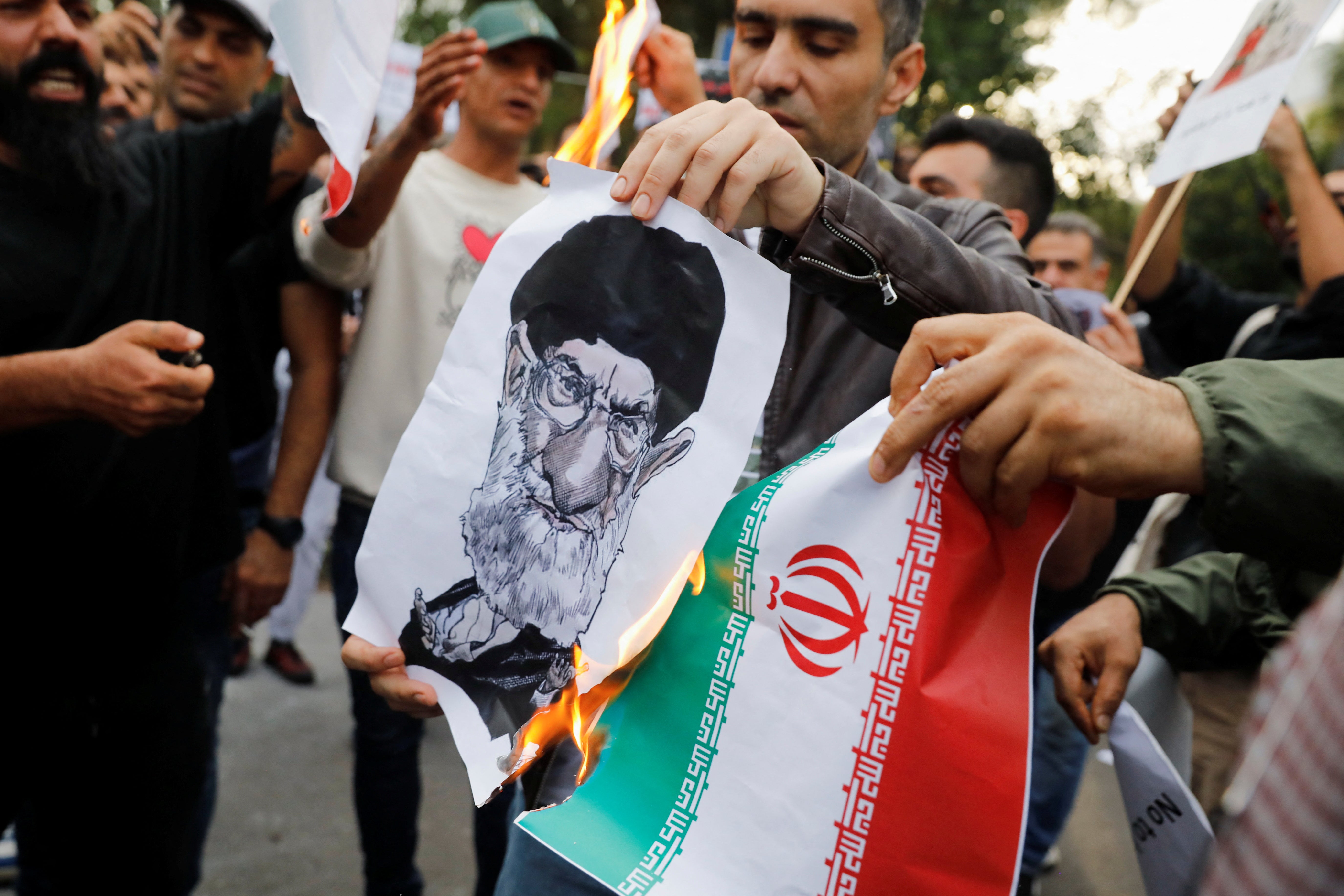
From the early days of the 1979 Revolution to the recent protests, the Iranian regime has repeatedly used mourning as a political tool. By curating which victims are showcased and which are omitted, the state crafts a selective history that serves its legitimacy. The result is a paradox: a public space meant for remembrance becomes a stage for controlled amnesia.
Why the State Controls Mourning Spaces
Official exhibits are more than decorative walls; they are symbolic affirmations of the regime’s narrative. Highlighting martyrs who died defending the Islamic Republic reinforces the idea of perpetual sacrifice for a sacred cause. Simultaneously, sidelining protesters or activists who perished under contested circumstances sends a clear message: their stories are not part of the nation’s heroic tapestry.
Such control operates on several fronts:
- Selection of Images: Photographs of state‑approved martyrs dominate, while images of dissenting figures are deliberately excluded.
- Curated Texts: Poetry and speeches quoted in exhibits echo official ideology, often omitting verses that question authority.
- Venue Restrictions: Exhibits are placed in high‑traffic cultural centers, ensuring that the curated narrative reaches the widest audience.
The Human Cost of Erased Stories
Families of the unacknowledged dead often find their grief marginalized. Without public recognition, they struggle to secure burial rights, financial support, or even a proper record of their loved one’s death. The psychological impact is profound: the loss feels doubly painful when the state refuses to validate it.
Moreover, collective memory suffers. Future generations inherit a warped version of history, one where the sacrifices of certain groups are celebrated while others fade into oblivion. This selective remembrance can deepen societal fractures, as marginalized communities sense their pain is invisible to the nation’s official conscience.
Case Studies: Unseen Pages of Pain
Consider the aftermath of the 2019 protests in Iranian cities like Mahshahr and Khuzestan. Dozens of demonstrators died, yet state‑sponsored exhibits prominently featured only those who were “martyrs of the revolution,” ignoring the protest victims. Families reported that their loved ones’ names were absent from public memorials, and attempts to add them were met with bureaucratic resistance.
Another example emerges from the 2022 Mahsa Amini protests. While the regime organized large‑scale condolence displays for officials killed during the unrest, the young women who died in custody received scant mention. Their stories circulated primarily through underground channels, underscoring a stark contrast between official and grassroots commemoration.
How Citizens Respond
In the face of official erasure, Iranians have turned to alternative platforms. Social media, albeit heavily monitored, hosts a growing archive of personal photos, handwritten testimonies, and short videos that document the missing narratives. Community‑run memorial gatherings, often held in private homes or undisclosed locations, also serve as counter‑exhibits, preserving the stories that the state refuses to acknowledge.
These grassroots efforts are not without risk. Participants can face surveillance, intimidation, or legal repercussions. Still, the persistence of such memory‑keeping highlights a deep human need to honor every loss, regardless of political convenience.
International Perspectives
Human rights organizations have repeatedly condemned Iran’s manipulation of mourning. Reports from groups like Amnesty International note that the state’s control over condolence exhibits contributes to a broader pattern of suppressing dissent. By denying families public acknowledgment, the regime not only violates cultural norms surrounding death but also contravenes international standards on the right to truth and reparations.
Outside observers argue that genuine reconciliation requires confronting these hidden pages of pain. Acknowledging all victims—regardless of their political affiliation—could lay groundwork for a more inclusive national narrative, fostering trust between the government and its citizens.
What Might a Transparent Approach Look Like?
Imagine an exhibit where every name, irrespective of ideology, is displayed alongside a brief biography. Such an approach would involve:
- Establishing an independent commission to verify death records.
- Allowing families to submit memorial materials without state censorship.
- Including diverse artistic expressions—poetry, music, and visual art—from across the political spectrum.
While challenging, this model could transform mourning from a tool of propaganda into a genuine act of collective healing.
FAQ
Q: Why does the Iranian government curate condolence exhibits?
A: The regime uses curated exhibits to reinforce its ideological narrative, celebrate approved martyrs, and marginalize dissenting voices, thereby maintaining political legitimacy.
Q: How can families of unrecognized victims preserve their loved ones' memories?
A: Many turn to digital archives, private memorial gatherings, and community networks to document and share their stories, often using social media platforms despite the risks.
Q: Are there any legal avenues for challenging the state's control over mourning?
A: International human rights bodies have called for Iran to honor the rights of families to truth and remembrance, but domestic legal recourse remains limited and fraught with obstacles.