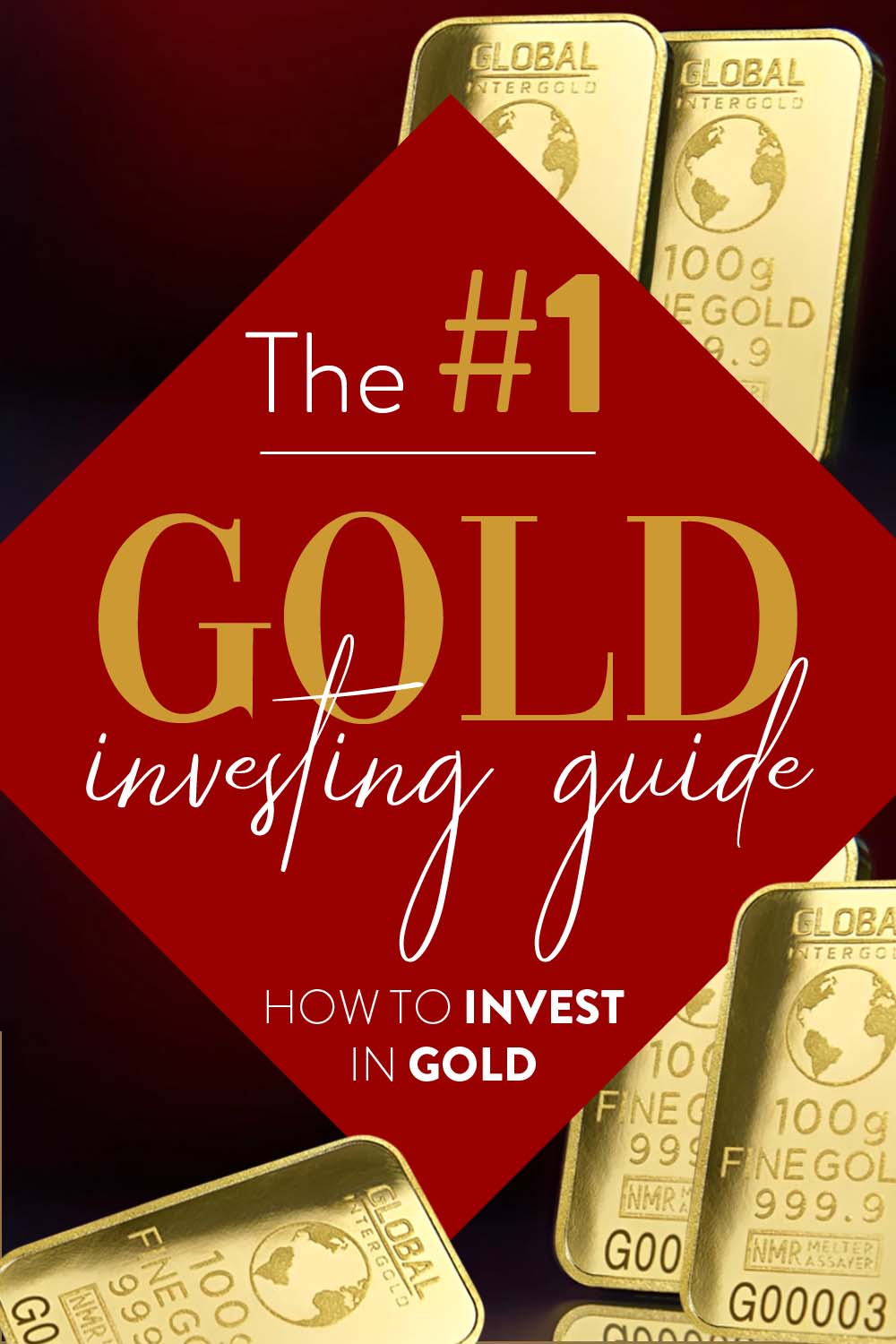
Is Gold and Silver Investing a Smart Move? A Practical Guide
Why Precious Metals Still Capture Attention
When markets wobble, many investors instinctively glance at gold and silver. These metals have been valued for millennia, offering a tangible store of wealth that feels less abstract than a stock ticker. Yet the allure isn’t just nostalgia; it’s the blend of scarcity, industrial demand (especially for silver), and the perception of a hedge against inflation.
That said, “smart move” is a loaded phrase. The right answer depends on your risk tolerance, time horizon, and how precious metals fit into a broader portfolio. In other words, gold and silver can be a useful piece of the puzzle, but they rarely solve the whole puzzle on their own.
Understanding the Core Differences
Gold shines as a traditional safe‑haven asset. Its price often climbs when equity markets tumble, and central banks keep a portion of reserves in bullion. The metal’s primary drivers are macroeconomic uncertainty, currency fluctuations, and geopolitical tension.
Silver, by contrast, wears two hats. Like gold, it serves as a monetary metal, but a larger share of its demand comes from industry—solar panels, electronics, and medical devices all rely on silver’s conductivity. This dual role makes silver’s price more volatile, but also offers upside when tech trends surge.
How to Allocate Precious Metals Wisely
Most financial advisors suggest keeping precious metals to a modest slice of a diversified portfolio—typically 5‑10 % for gold and a smaller portion for silver. This range provides exposure without letting metal price swings dominate overall returns.
Consider these allocation tactics:
- Buy physical bullion or coins for the pure ownership experience, but remember storage costs and insurance.
- Use exchange‑traded funds (ETFs) that track metal prices for liquidity and ease of trading.
- Explore mining stocks or mutual funds for indirect exposure, though they introduce company‑specific risk.
Whichever route you choose, align the exposure with your investment timeline. Short‑term traders might favor ETFs for quick entry and exit, while long‑term hold‑outs often prefer physical assets they can keep under lock and key.
Tax Implications You Can’t Ignore
In many jurisdictions, gold and silver are treated as collectibles rather than standard securities. That distinction can push capital‑gain tax rates higher—often up to 28 % in the United States, compared with the usual 15‑20 % for stocks. Silver, being both a metal and an industrial commodity, may attract different tax treatment depending on whether you own the physical metal or a mining stock.
Before you buy, check the specific rules for your country and consider consulting a tax professional. Ignoring the tax side can erode the very “smart” advantage you’re seeking.
Risks and Rewards: A Balanced View
On the upside, gold and silver have historically preserved purchasing power over long periods. During hyperinflationary episodes—like the 1970s in the U.S.—both metals posted double‑digit gains.
On the downside, they don’t produce cash flow. Unlike dividend‑paying stocks or rental properties, the only way to profit is through price appreciation or strategic selling. Moreover, the metals market can be swayed by speculative bubbles, especially when investors chase “safe haven” narratives without grounding in fundamentals.
Another subtle risk is currency strength. A stronger U.S. dollar typically squeezes metal prices, because gold and silver are priced in dollars globally. When the dollar climbs, foreign buyers need more of their own currency to purchase the same amount of metal, which can depress demand.
Practical Steps to Get Started
1. Define your objective. Are you seeking a hedge, diversification, or speculative upside? Your goal will dictate the proportion of gold versus silver.
2. Choose a purchase method. Physical bullion, reputable online dealers, ETFs like GLD (gold) or SLV (silver), and mining company stocks are the main avenues.
3. Set a budget. Even a modest $500 allocation can buy a small silver coin, offering exposure without a huge upfront cost.
4. Monitor market signals. Keep an eye on inflation data, central‑bank policy shifts, and industrial demand trends for silver. These cues can help you decide when to add or trim positions.
5. Rebalance regularly. As your overall portfolio grows, the metal allocation may drift. A semi‑annual check‑in ensures you stay within your target range.
FAQ
Is gold a better safe‑haven than silver?
Generally, gold is seen as the more reliable refuge during economic turmoil because its price is less tied to industrial cycles. Silver can offer higher returns when tech demand spikes, but it also experiences sharper dips.
Can I invest in gold and silver through a retirement account?
Yes. Many IRAs allow holdings of physical bullion, gold‑backed ETFs, or mining stocks, though rules vary by provider. Be sure to verify custodial restrictions before committing.
Should I worry about storage costs for physical metal?
Storage and insurance can eat into returns, especially for smaller holdings. If those fees outweigh potential price gains, an ETF may be a more cost‑effective route.
How often should I review my precious‑metal positions?
A good rule of thumb is to review at least twice a year, or whenever major economic events—like interest‑rate changes or geopolitical shocks—occur.