Is the 2021 Chevy Blazer RS the Sporty SUV You’ve Been Waiting For?
First Impressions: Styling That Turns Heads
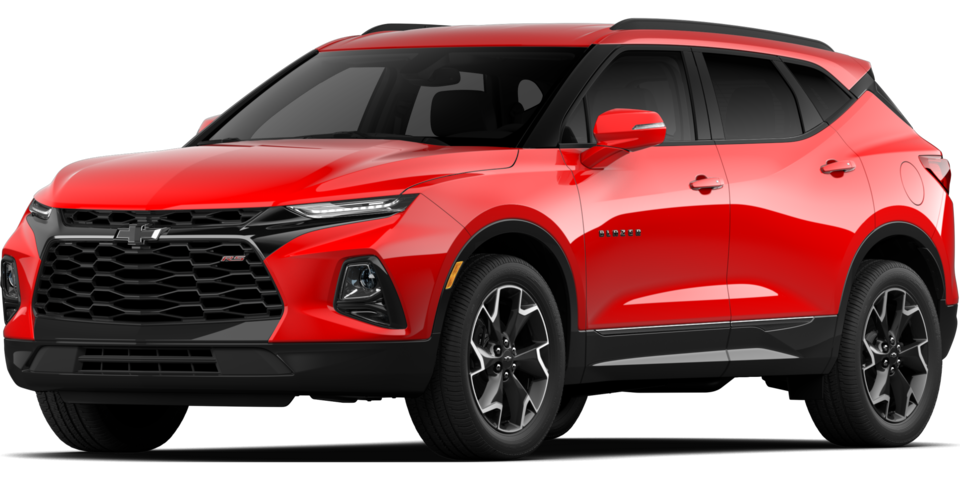
The 2021 Chevrolet Blazer RS arrives with a visual cue that immediately sets it apart from the standard model. A blacked‑out front grille, 20‑inch gloss‑black wheels, and bold red RS badging give the midsize crossover a decidedly athletic stance. Inside, the cabin embraces a black‑with‑red theme, from contrast stitching on the seats to a subtle RS‑branded shift knob. The overall effect feels less like a family hauler and more like a road‑ready machine, even before you press the accelerator.
Powertrain and Performance: V6 Muscle in an SUV Body
Under the hood sits Chevrolet’s 3.6‑liter V6, delivering 308 horsepower and 264 lb‑ft of torque. Paired with a smooth 10‑speed automatic, the engine provides brisk acceleration, especially noticeable when merging onto the highway. While the Blazer RS isn’t a track car, its 0‑60 mph time hovers around the low‑mid 6‑second range, which is respectable for a vehicle of its size.
Driving dynamics benefit from a sport‑tuned suspension that reduces body roll without sacrificing ride comfort. The steering feels direct, offering good feedback through corners, and the chassis is bolstered by a modest amount of under‑body bracing that adds confidence on winding roads.
Interior Comfort and Technology: Practical Yet Playful
The cabin balances the RS’s aggressive exterior with a surprisingly comfortable environment. Seats are well‑bolstered, providing support during spirited driving while remaining plush enough for long trips. The black upholstery is accented by red stitching, echoing the exterior theme without overwhelming the eye.
Technology is anchored by an 8‑inch infotainment touchscreen that runs Chevrolet’s MyLink system, supporting Apple CarPlay and Android Auto. A digital instrument cluster offers a clear view of speed, navigation, and vehicle settings. While the system isn’t the most cutting‑edge on the market, it’s intuitive and responsive.
Space and Practicality: Room for the Everyday
Despite its sporty intent, the Blazer RS retains the practicality expected of a midsize SUV. Front‑row occupants enjoy ample headroom, and the rear seats can accommodate adult passengers without feeling cramped. Cargo capacity stands at about 30 cubic feet behind the second row, expanding to roughly 64 cubic feet with the rear seats folded flat.
The split‑folding rear bench and low lift‑over height make loading groceries or gear relatively easy. Additionally, a modest roof‑rack load limit of 150 pounds provides extra flexibility for bikes or a small cargo box.
Fuel Economy: Balancing Performance and Efficiency
Because the RS trades some fuel‑saving measures for power, its EPA estimates land around 18 mpg city and 26 mpg highway. Those numbers are typical for a V6‑powered SUV in this segment and translate to a realistic yearly fuel cost for most commuters.
Safety Features: Confidence in Every Drive
Chevrolet equips the 2021 Blazer RS with a suite of driver‑assist technologies. Standard items include forward‑collision alert, automatic emergency braking, lane‑keep assist, and rear‑view camera. Optional upgrades such as blind‑spot monitoring and rear cross‑traffic alert further enhance awareness, making the RS a competent family vehicle despite its sporty demeanor.
Pricing and Trim Levels: What You Get for Your Money
When it debuted, the 2021 Blazer RS started at roughly $35,900 before destination fees. This price places it squarely between the more utilitarian LS and the higher‑end Premier trims, offering a sweet spot for buyers seeking style without the premium price of top‑of‑the‑line options.
Optional packages, like the Premium Audio System or a sunroof, can nudge the final price into the low‑40 thousands. Compared with rivals, the RS’s pricing feels competitive, especially given its distinctive aesthetic and V6 power.
How It Stacks Up Against the Competition
In the midsize SUV arena, the Blazer RS faces off against the Ford Edge ST, Jeep Grand Cherokee Sport, and Kia Sorento SX. The Edge ST mirrors the Blazer’s V6 output but leans more toward a refined ride. The Grand Cherokee Sport offers off‑road credibility, while the Sorento SX brings a hybrid option unavailable on the Blazer. Ultimately, the RS wins points for its bold styling and balanced performance, though it lags behind the Edge ST in cabin quietness.
Ownership Experience: Reliability and Resale
Chevrolet’s reputation for reliability is solid, with the 2021 Blazer RS benefiting from a powertrain that has been in production for several years. Owners report typical maintenance costs comparable to other V6 SUVs, and the vehicle’s resale value holds reasonably well, especially when the RS badge remains intact.
Warranty coverage includes a 3‑year/36 000‑mile bumper‑to‑bumper guarantee and a 5‑year/60 000‑mile power‑train warranty, providing peace of mind for early ownership years.
Who Should Consider the 2021 Blazer RS?
If you crave a midsize SUV that feels more like a sports coupe than a family shuttle, the Blazer RS hits many of the right notes. It offers enough practicality for daily chores, a V6 engine that makes highway passes enjoyable, and a visual flair that stands out in a crowded market.
Drivers who prioritize a whisper‑quiet cabin or the latest infotainment hardware may look elsewhere, but for those seeking a blend of utility and attitude, the 2021 Chevy Blazer RS presents a compelling choice.
FAQ
- How does the 2021 Chevy Blazer RS compare to the Ford Edge ST? Both SUVs share a 3.6‑liter V6 and similar power output, but the Edge ST leans toward a smoother ride and slightly quieter interior, while the Blazer RS emphasizes sharper handling and more aggressive styling.
- What is the fuel economy of the 2021 Blazer RS? EPA estimates are about 18 mpg in the city and 26 mpg on the highway, which is typical for a V6 midsize SUV.
- Does the Blazer RS come with all‑wheel drive? The 2021 model is offered only with front‑wheel drive; all‑wheel drive is not available on the RS trim.
- What safety tech is standard on the RS? Standard safety equipment includes forward‑collision alert, automatic emergency braking, lane‑keep assist, and a rear‑view camera, with optional blind‑spot and rear‑cross‑traffic alerts.