Isaiah 53 KJV: The Profound Prophecy of the Suffering Servant
It is often cited as the single most profound prediction of Jesus Christ in the entire Old Testament. Isaiah 53 stands out not just for its poetic beauty, but for its shocking accuracy regarding the life, death, and vindication of the Messiah. For centuries, scholars, theologians, and skeptics have debated its meaning, but the clarity of its language remains striking. When you read Isaiah 53 KJV, you are looking at a detailed portrait of a "suffering servant" who bears the burdens of others without complaining. This passage was written roughly seven hundred years before the crucifixion, yet it describes the event with surgical precision. Understanding this chapter requires looking at the historical context, the specific verses, and why it remains central to Christian theology today.
The Mystery of the Servant’s Identity
Before diving into the specifics of the suffering, we must ask a crucial question: Who is this servant? In the immediate context of Isaiah, the servant is often identified with the nation of Israel (Isaiah 49:3). The nation was indeed despised, rejected, and suffering under foreign oppression. However, the description in chapter 53 becomes too specific for a collective group. It describes an individual who is silent before his accusers, pierced for transgressions, and buried with the wicked. Most interpretations within Christian tradition see this as a direct prophecy of Jesus Christ. Jewish interpreters may view it differently, often seeing it as a metaphor for Jerusalem or the righteous remnant. Regardless of the interpretive lens, the text clearly points to a figure who goes beyond normal human suffering to achieve a unique spiritual purpose.
Key Verses Defining the Suffering
The chapter is structured like a courtroom drama, with witnesses testifying to the fate of the servant. Several specific verses have become iconic in theological discussions because of their apparent fulfillment in the New Testament narratives.
- "He was despised and rejected of men": This sets the tone. The servant is not a warrior king or a mighty conqueror, but someone outcast by society. It challenges the expectation of a glorious, political Messiah.
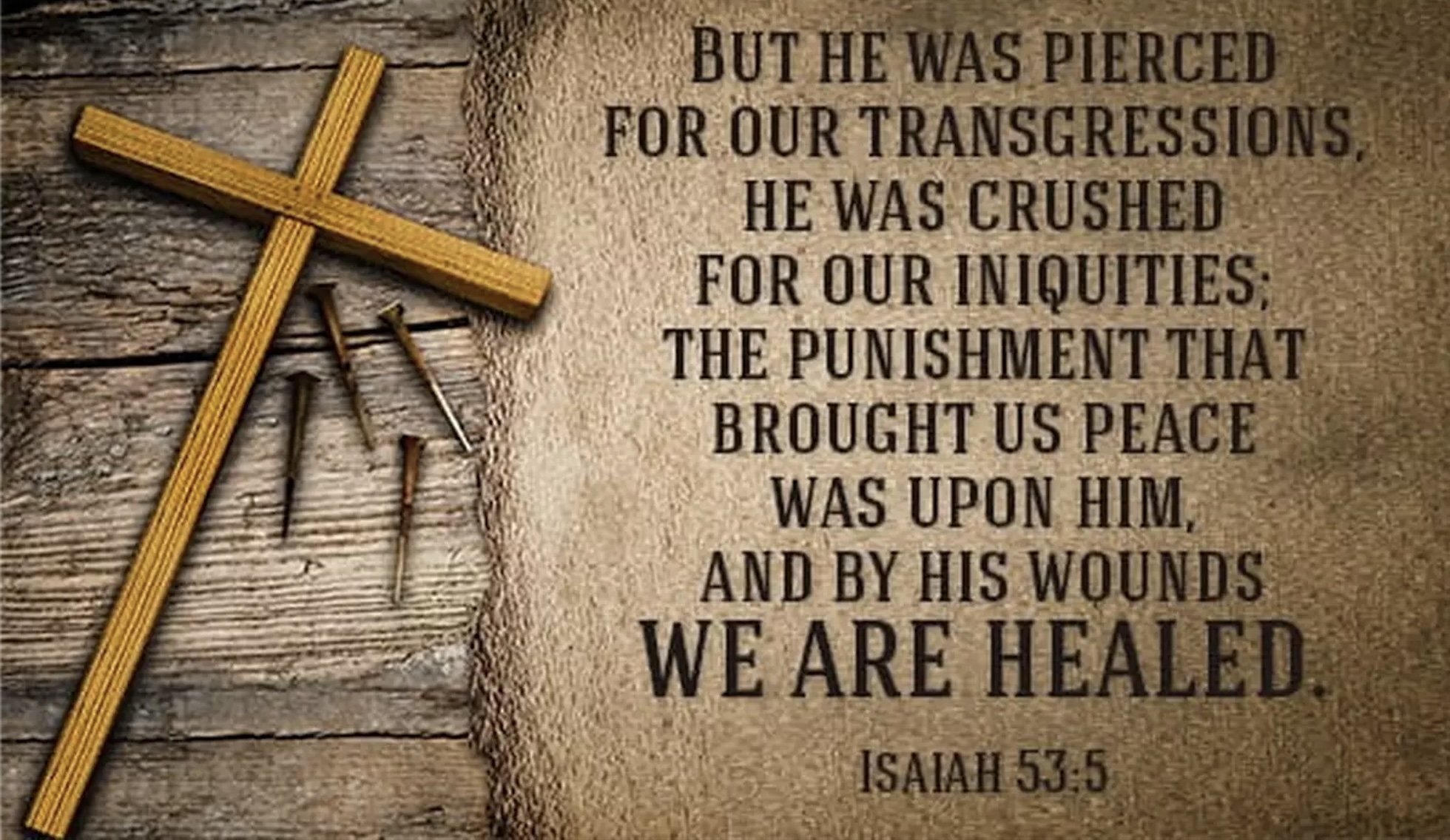
- "But he was wounded for our transgressions": This introduces the concept of substitutionary atonement. The suffering is not due to his own sins, but to the sins of the people. He takes the place of the guilty.
- "He opened not his mouth; he is brought as a lamb to the slaughter": This mirrors the silence of Jesus before Pilate and Caiaphas. The imagery of the sacrificial lamb ties the servant directly to the ancient Levitical sacrificial system.
These lines paint a picture of passive endurance. The servant does not fight back. He does not seek revenge. He accepts his fate to accomplish a greater goal. This passivity is not weakness; it is a deliberate act of obedience and love for those who rejected him.
The Purpose Behind the Pain
Why did the servant have to suffer so much? Isaiah explains that his suffering has a dual purpose. First, it brings just punishment. The text states, "The Lord hath laid on him the iniquity of us all." This implies that divine justice was satisfied. The servant bears the weight of human rebellion. Second, the suffering leads to reconciliation. Through his stripes, we are healed. This healing is spiritual, encompassing the forgiveness of sins and the restoration of the relationship between God and humanity. The servant's death is not the end of the story; it is the necessary bridge to life.
The language used here is visceral. Words like "cruelly used," "affliction," and "cut off" evoke deep emotional pain. It reminds the reader that the cost of redemption is high. It is not a distant, abstract concept. It involves real blood, real tears, and real isolation. This raw honesty makes the prophecy resonate deeply with anyone who has experienced unjust suffering or guilt.
Vindication and Triumph
Despite the grim nature of the first half of the chapter, Isaiah 53 does not end in despair. It concludes with triumph. The servant will see his seed and prolong his days. He will be cut off out of the land of the living, but his descendants will inherit. This suggests a resurrection or a legacy that outlives physical death. The spiritual realm rejoices over his sacrifice. "Many shall be called righteous" is a result of his knowledge and his obedience. The king, who was silenced and mocked, is now given a portion with the great. This unexpected turnaround emphasizes the paradox of Kingdom values: loss leads to gain, death leads to life, and humiliation leads to exaltation.
FAQs About Isaiah 53
Is Isaiah 53 a prophecy of Jesus?
Christian theology universally identifies Isaiah 53 as a direct prophecy of Jesus Christ, citing the parallels in the Gospels. Jewish theology often interprets it as referring to the nation of Israel or the righteous sufferers throughout history, arguing that the suffering described matches Israel's historical experience.
Why did the Servant remain silent?
In the cultural and biblical context, maintaining silence in the face of unjust accusation was a sign of innocence and trust in God. It reflects the behavior of a sacrificial animal, which does not protest being led to slaughter.
What is the significance of the "Lamb" imagery?
The lamb imagery connects the servant to the Passover sacrifice and the Levitical offerings for sin. It suggests that his death is a substitute for the punishment deserved by the people, providing cleansing and redemption.
How old is the book of Isaiah?
The Book of Isaiah was written in the 8th century BC, approximately 740–680 BC. This places the prophecy roughly seven hundred years before the historical crucifixion of Jesus in the 1st century AD.
Isaiah 53 remains a powerful testament to the depth of divine love. It transforms the concept of suffering from a meaningless tragedy into a purposeful act of redemption. Whether viewed through the lens of strict prophecy or as a theological archetype, the passage challenges us to consider what it means to lay down one’s life for others. It invites readers to recognize grace in the midst of judgment and to see hope in the valley of shadow.