Isotonic vs Hypotonic: What’s the Real Difference?
When you hear terms like “isotonic” or “hypotonic” tossed around in a gym, a doctor’s office, or a science class, it’s easy to feel a bit lost. In short, they describe how a liquid’s concentration of dissolved particles compares to the fluid inside your cells. Understanding the difference isn’t just academic—it can shape everything from how you hydrate after a marathon to which IV drip a nurse selects for a patient.
What Do Isotonic and Hypotonic Mean?
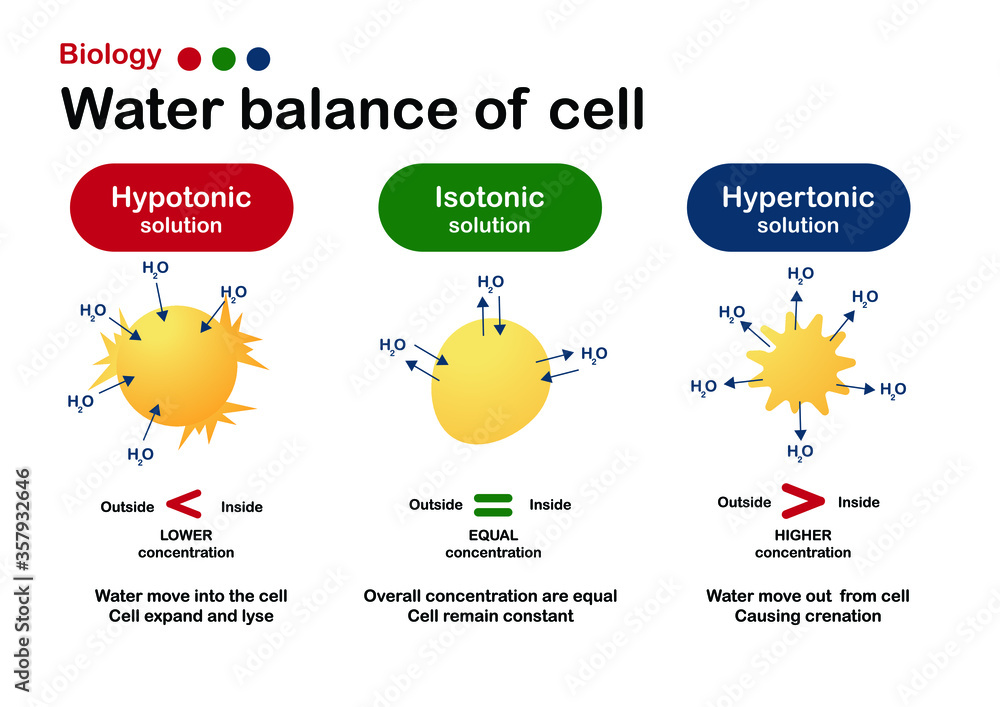
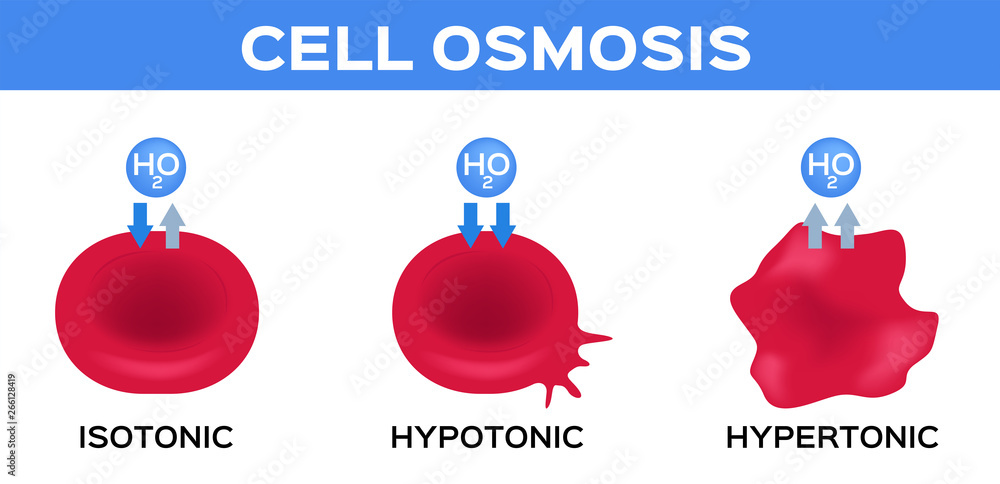
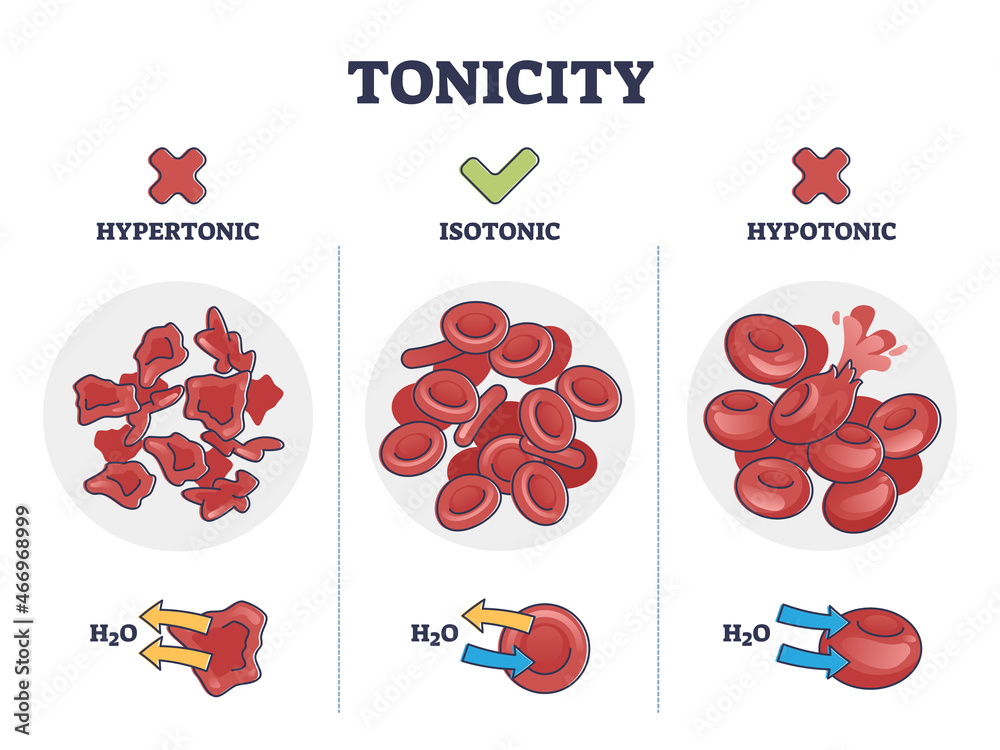
An isotonic solution has roughly the same osmolarity—meaning the same number of solute particles per unit volume—as the fluid inside our cells. Because the concentration is balanced, water moves in and out of cells at an equal rate, keeping cell size stable.
In contrast, a hypotonic solution contains fewer solutes than the intracellular fluid. This creates a concentration gradient that drives water into the cells, causing them to swell. In extreme cases, the swelling can be enough to rupture the cell membrane.
How Cells React to Each Solution
Cell membranes are selectively permeable, so they let water pass while often restricting larger solutes. When a cell is placed in an isotonic environment, the net movement of water is essentially zero, and the cell maintains its normal shape and function.
Put the same cell in a hypotonic fluid, and the story changes. Water rushes in, the cell expands, and the membrane stretches. Muscle cells, for example, can become less efficient if they swell too much, leading to a feeling of heaviness or cramping.
- Volume increase: Cells absorb water, potentially swelling up to 10‑15% in volume.
- Electrical activity: Dilution of intracellular ions can alter nerve impulses.
- Structural stress: Persistent swelling may damage delicate organelles.
Practical Applications: Sports and Medicine
In the world of athletics, isotonic drinks such as many commercial sports beverages aim to match the body’s natural plasma osmolarity (about 285‑295 mOsm/L). By doing so, they replace lost electrolytes without pulling water out of cells or flooding them.
Pure water, on the other hand, is hypotonic. Drinking large volumes of plain water during intense exercise can actually dilute blood sodium levels, a condition known as hyponatremia. That’s why endurance athletes often blend water with a modest amount of salt or use formulated isotonic drinks.
Medical professionals rely on the same principles when selecting IV fluids. An isotonic saline solution (0.9 % NaCl) is a common “all‑purpose” drip because it expands the extracellular fluid without causing cellular swelling or shrinking. For patients at risk of cerebral edema, a hypotonic solution might be avoided altogether.
Choosing the Right Fluid for Your Needs
If you’re simply staying hydrated on a casual walk, plain water—though hypotonic—usually does the job, as your kidneys can adjust fluid balance efficiently. However, after a hot yoga class or a long bike ride, an isotonic beverage can help restore both water and essential electrolytes more quickly.
In clinical settings, the choice hinges on the patient’s current fluid status. Dehydrated individuals often receive isotonic fluids to replenish blood volume without risking intracellular over‑hydration. Conversely, someone with hypernatremia (elevated blood sodium) may benefit from a carefully controlled hypotonic infusion to gently draw water back into cells.
Key Takeaways at a Glance
- Isotonic: Same solute concentration as cells; maintains cell size.
- Hypotonic: Fewer solutes; water moves into cells, causing swelling.
- Sports use: Isotonic drinks replace electrolytes; excessive plain water can dilute them.
- Medical use: Isotonic IVs are safe for most patients; hypotonic fluids require caution.
Frequently Asked Questions
Can drinking too much isotonic fluid cause problems?
Yes, overconsumption can lead to excess sodium intake, which may raise blood pressure in susceptible individuals. Moderation is key, especially if you’re not losing large amounts of sweat.
Why do infants receive hypotonic solutions sometimes?
Newborns have a higher total body water percentage, and their kidneys are less able to excrete excess water. A mildly hypotonic solution can help maintain appropriate intracellular hydration without overloading the circulatory system.
Is seawater isotonic or hypotonic?
Seawater is actually hypertonic—it contains far more salts than our bodily fluids. Drinking it would draw water out of cells, leading to severe dehydration.
Do all sports drinks claim to be isotonic?
Most mainstream sports drinks aim for isotonicity, but sugar and electrolyte content can vary widely. Checking the label for osmolarity or consulting a nutritionist can confirm whether a specific brand truly matches your needs.