Jeddah Tower Construction Resumes, Reviving Tallest‑Building Race
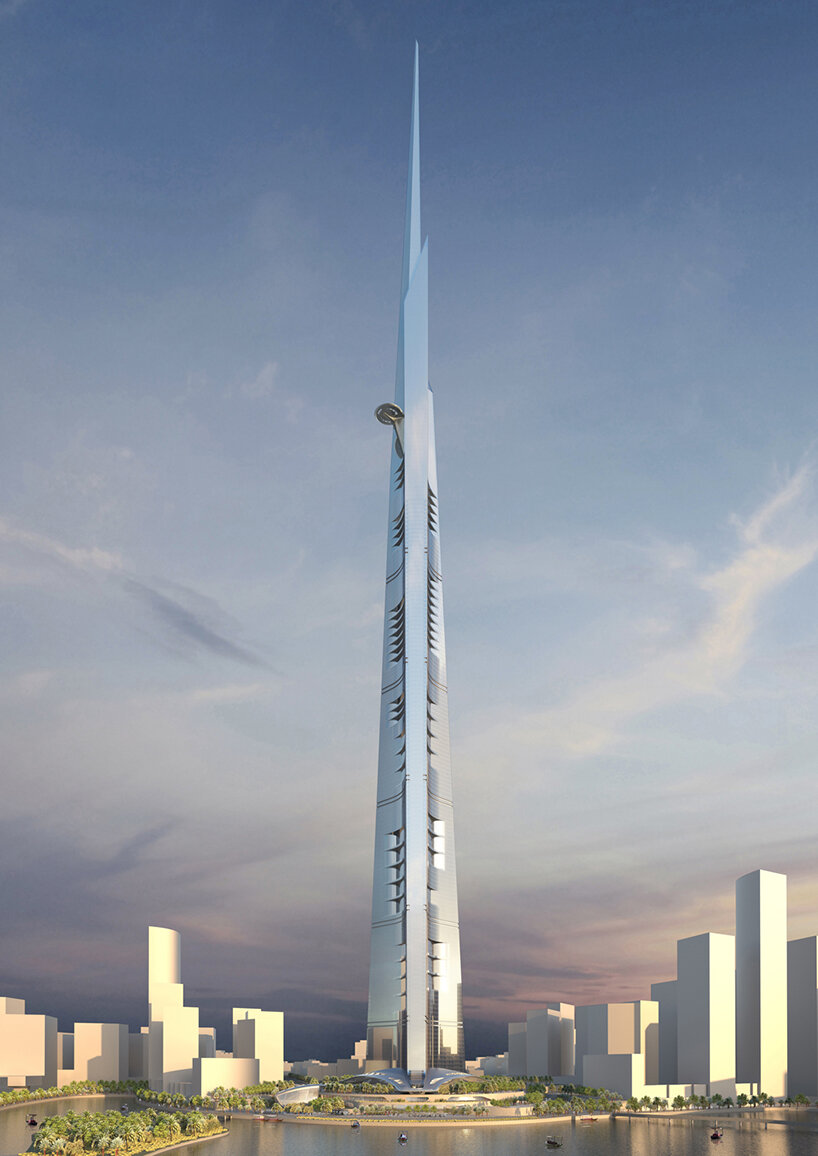
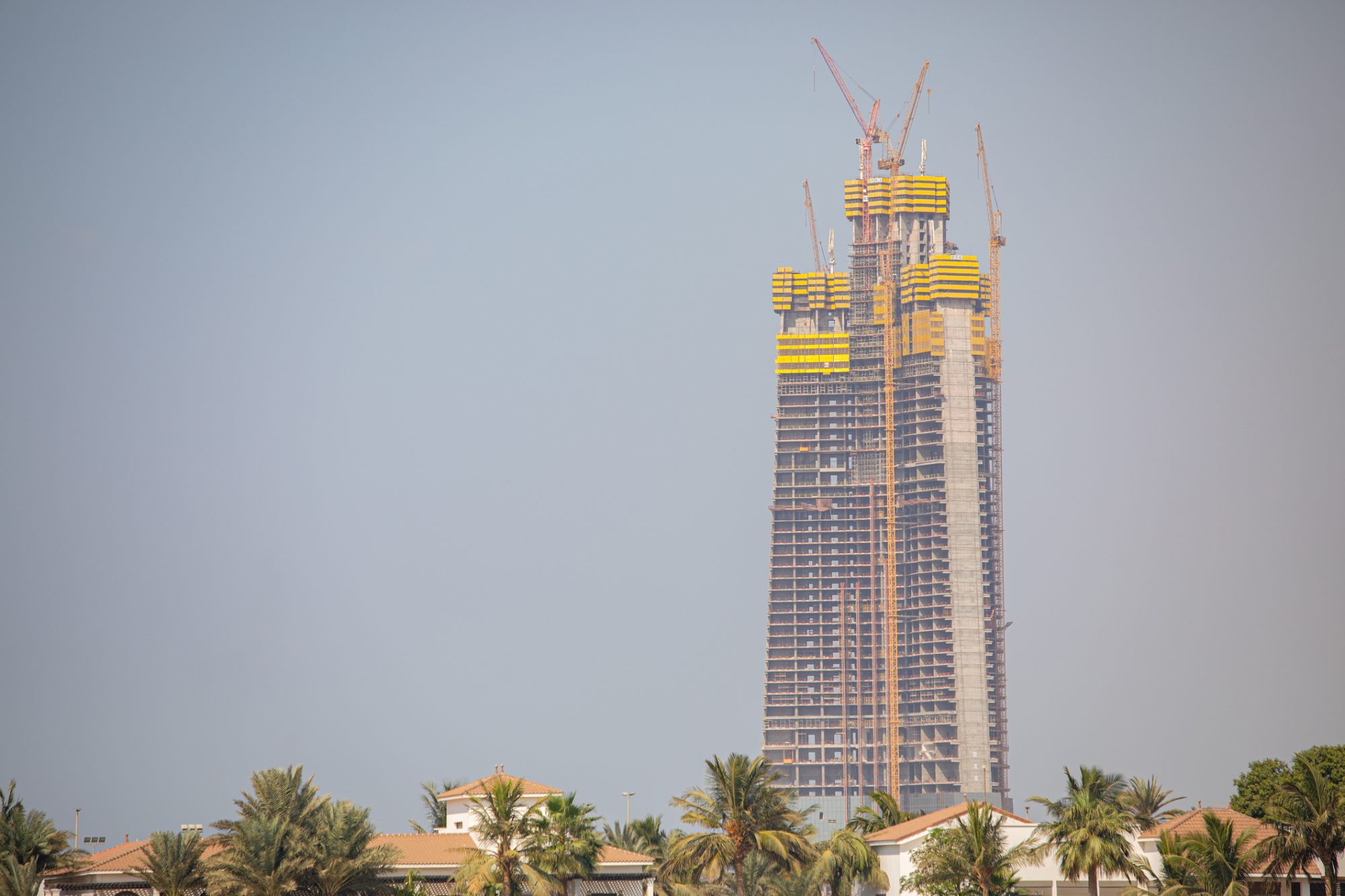
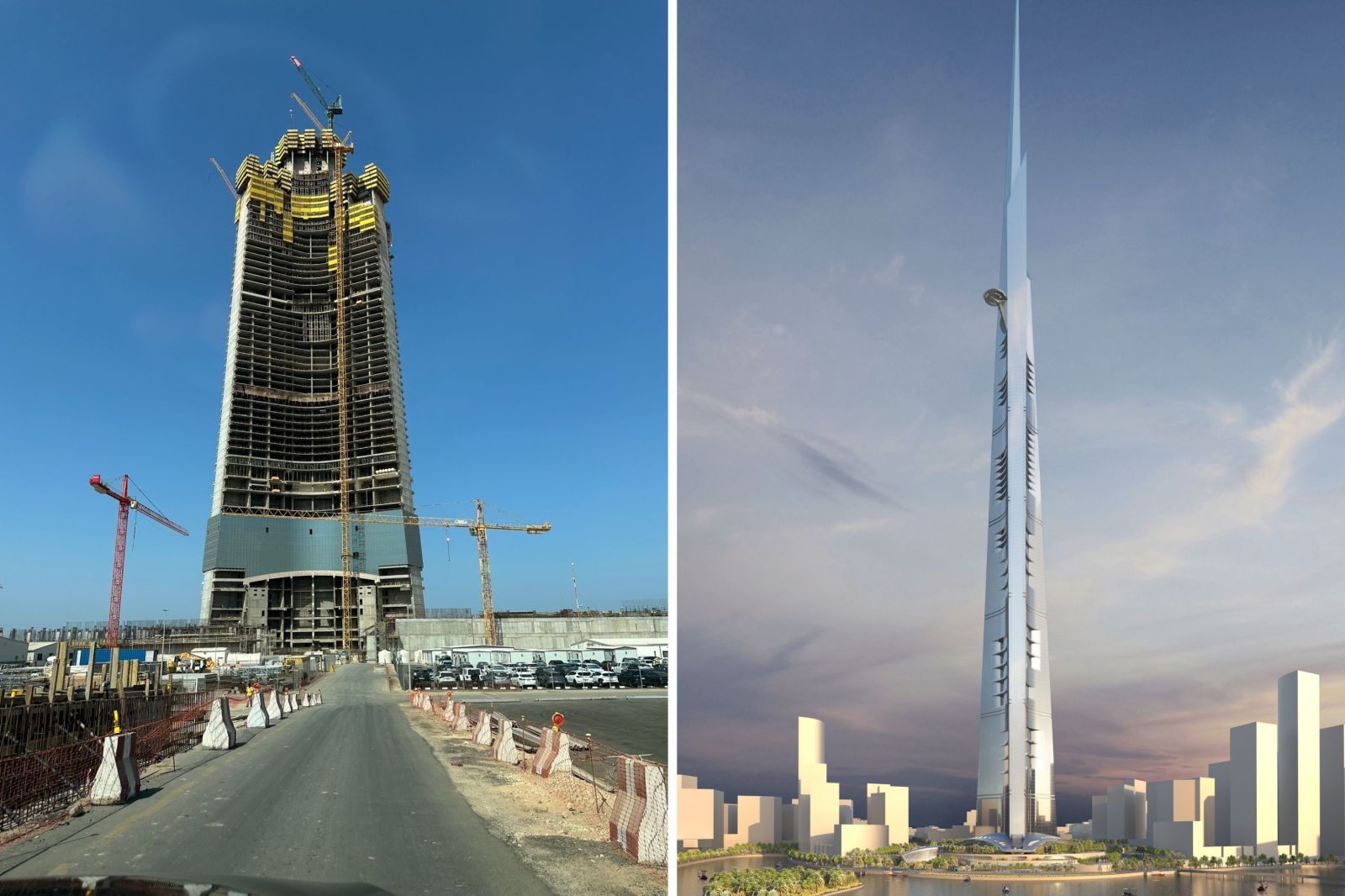
After a multi‑year pause that left the skyline of Saudi Arabia hanging in suspense, work on the Jeddah Tower has officially restarted. The resumption marks a decisive step toward realizing what would become the world’s first megatall structure to break the 1,000‑metre barrier. Engineers, investors, and curious onlookers alike are now watching to see whether the project can finally overcome the technical and financial hurdles that have long stalled its progress.
Why the project was put on hold
When the tower’s foundation was poured in 2013, the ambition was clear: a 167‑floor icon that would dwarf the Burj Khalifa. Yet by 2018, construction slowed to a crawl. A combination of market fluctuations, shifting government priorities, and the complex logistics of building at such height forced the developers to pause major activities. In addition, the 2019‑2020 global economic downturn strained financing, prompting the owner, Jeddah Economic Company, to reassess the feasibility of continuing at the original pace.
Beyond money, the engineering challenges themselves grew more apparent. The tower’s planned height of roughly 1,010 metres (about 3,300 feet) demands unprecedented wind‑load mitigation, deep‑foundation stability, and vertical transportation systems capable of moving people across dozens of sky decks. Early setbacks in these areas contributed to the decision to step back and regroup.
What the restart looks like on the ground
Construction crews have now returned to the site with a renewed focus on the tower’s core and upper‑section scaffolding. The first visible activity is the installation of high‑strength concrete pours for the next set of mechanical floors. These pours are being monitored with real‑time sensors that track temperature, curing rate, and load distribution—technology that wasn’t widely available during the project’s early phase.
Alongside the concrete work, a new contract with an international elevator manufacturer has been signed. The plan calls for a series of double‑decked, high‑speed lifts that will travel at up to 10 metres per second, reducing travel time from ground to the observation deck to under a minute. The elevators will also feature regenerative braking, feeding energy back into the building’s grid.
Technical hurdles that still loom
Even with construction back on track, the tower faces several unresolved challenges. Wind shear at over 1,000 metres can create oscillations that feel like a gentle sway to occupants. To counter this, designers have incorporated a tuned mass damper—a massive, pendulum‑like device that will sit near the top of the structure and absorb excess movement.
Another concern is the supply chain for the tower’s façade. The cladding panels are made from a custom aluminium‑glass composite that must withstand extreme temperature variations while maintaining a sleek, reflective finish. Manufacturing these panels in large quantities has proven difficult, prompting the project team to diversify suppliers and invest in on‑site assembly lines.
Economic and symbolic implications
Financing the Jeddah Tower remains a delicate balancing act. While Saudi Arabia’s Vision 2030 plan earmarks billions for diversification projects, the tower competes with other high‑profile developments such as NEOM and the Red Sea resort. Nonetheless, the tower is seen as a flagship symbol of the Kingdom’s ambition to become a global hub for tourism, business, and innovation.
From a tourism standpoint, the observation deck—once completed—could attract millions of visitors annually, boosting local hospitality and retail sectors. Moreover, the tower’s mixed‑use design includes luxury residences, office space, and a hotel, all of which promise long‑term revenue streams that can help amortize the massive upfront costs.
Projected timeline and next milestones
Project managers now aim for a phased completion. The core is expected to reach the 500‑metre mark by late 2027, at which point the first set of observation decks and commercial spaces could open to the public. Full topping‑out—when the final structural element is placed at the pinnacle—is targeted for 2030, assuming no major disruptions.
These dates remain provisional. The team has emphasized a “flexible schedule” approach, acknowledging that geopolitical shifts, material price volatility, and unforeseen engineering challenges could prompt adjustments. Still, the renewed momentum suggests a stronger commitment than during the previous hiatus.
FAQs
- When is the Jeddah Tower expected to be finished? Current projections place the structural topping‑out around 2030, with the first public spaces possibly opening by 2027.
- Why was construction halted originally? A mix of financial constraints, market downturns, and the sheer technical complexity of building a 1,000‑metre skyscraper led to the pause.
- How tall will the tower actually be? The design calls for a height of roughly 1,010 metres (about 3,300 feet), which would make it the tallest building on the planet.
- What are the biggest engineering challenges? Managing wind‑induced sway, creating a reliable high‑speed elevator system, and producing the custom façade panels are among the toughest obstacles.